

Himalayan Roundtable Signals a Critical Shift in How India Must Approach Mountain Development
Inside the quiet, wood-panelled halls of the India International Centre, the conversation was anything but subdued recently. The Himalayan Roundtable—convened by the CP Kukreja Foundation for Design Excellence—brought together an influential cross-section of policymakers, climate scientists, architects, and environmental thinkers to confront a question that can no longer be deferred: how much more pressure can the Himalayas sustain?
What emerged was not a single solution, but a clear consensus—development in the Himalayan region is no longer a question of expansion, but of restraint, recalibration, and responsibility.
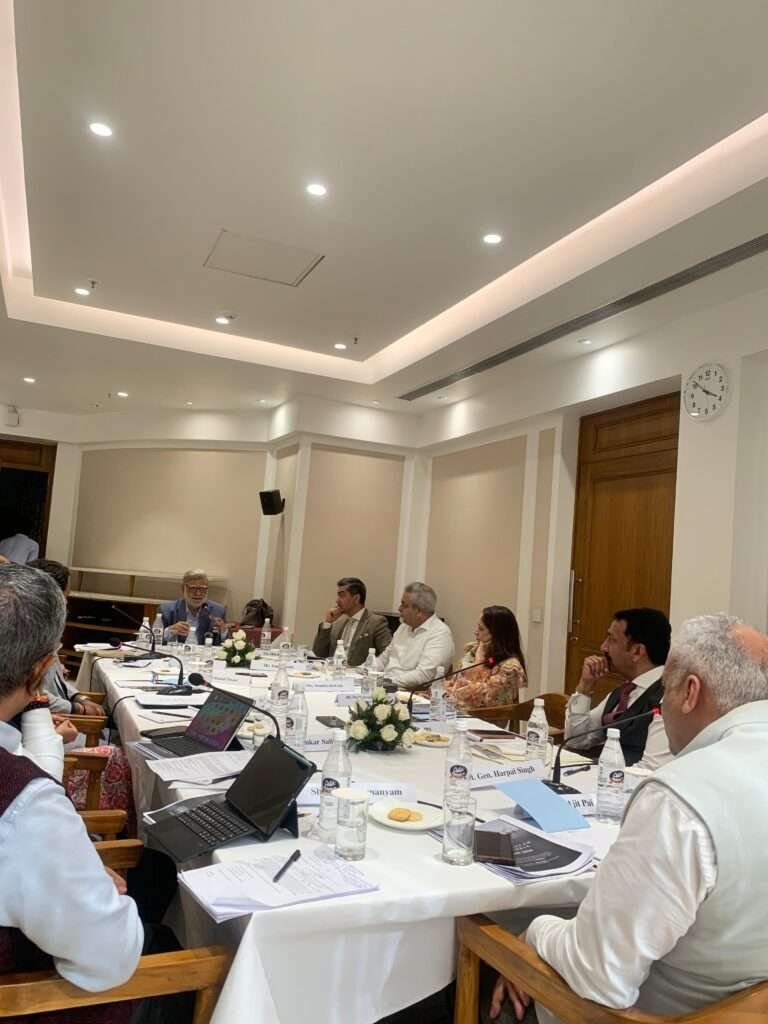
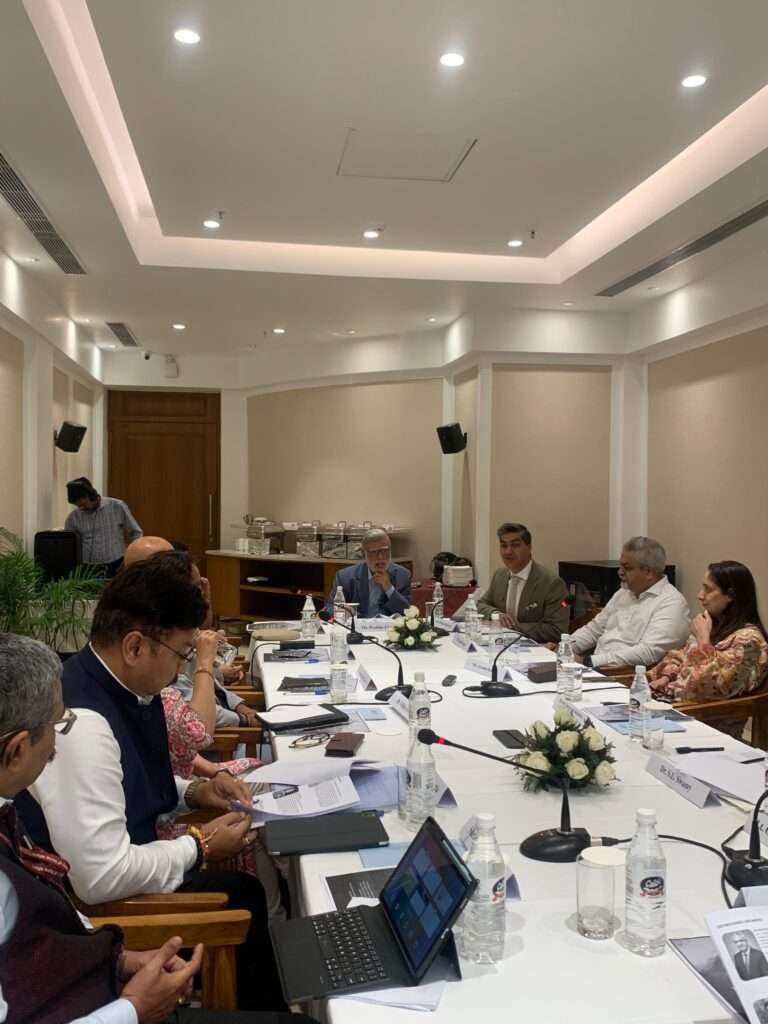
Moderated by Prabhu Chawla, the discussion moved beyond surface-level concerns, instead mapping the layered realities of a region under stress. Rising tourist footfall, accelerating infrastructure projects, and increasingly erratic climate patterns are no longer isolated challenges—they are converging forces reshaping the Himalayan landscape.


For P. Subramanyam, the conversation was grounded in lived realities. Forest ecosystems, he noted, cannot be protected in silos. Conservation must move in tandem with livelihood creation, particularly in regions like Arunachal Pradesh where communities remain deeply connected to the land.
A broader strategic lens was offered by Harpal Singh, who framed the Himalayas not as terrain, but as a living system—one that underpins ecological balance and human survival across the subcontinent. The risk, he cautioned, lies in short-term planning that overlooks long-term consequences.

Architecture, too, found itself at the centre of the debate. Ajit Pai pointed to the visible transformation of hill towns—where construction often outpaces ecological understanding. The future, he suggested, lies in design that responds to the land, rather than imposing upon it.
Climate science added another layer of urgency. As Dipankar Saharia observed, the increasing frequency of landslides, flash floods, and erratic rainfall is not incidental—it reflects a deeper shift in climatic patterns, intensified by human intervention.
From a design and planning perspective, Dikshu C. Kukreja emphasised that the Himalayas demand a fundamentally different development vocabulary—one that prioritises ecological balance, respects topography, and integrates sustainability at every stage.
Across the table, a pattern of concern became evident. Unregulated tourism, particularly during peak travel windows, is placing immense pressure on fragile ecosystems. Vehicular congestion, rising emissions, and overburdened infrastructure are no longer seasonal inconveniences—they are structural risks.
And yet, the stakes extend far beyond the mountains themselves. The Himalayas remain a critical ecological backbone—supporting river systems, biodiversity, and water security for millions across South Asia.
The outcome of the roundtable will take shape as a forthcoming White Paper, expected to distil these conversations into actionable strategies. More importantly, the dialogue itself marks a shift—towards collaborative thinking, interdisciplinary engagement, and a more measured approach to growth.
Because in the Himalayas, the cost of getting development wrong is not incremental—it is irreversible.

