

Immersive dining experiences have steadily transformed the way audiences engage with food, shifting the focus from the plate alone to the larger atmosphere surrounding a meal. Increasingly, restaurants and hotels across the world are exploring formats where storytelling, technology, design, and cuisine intersect to create something more experiential and emotionally engaging
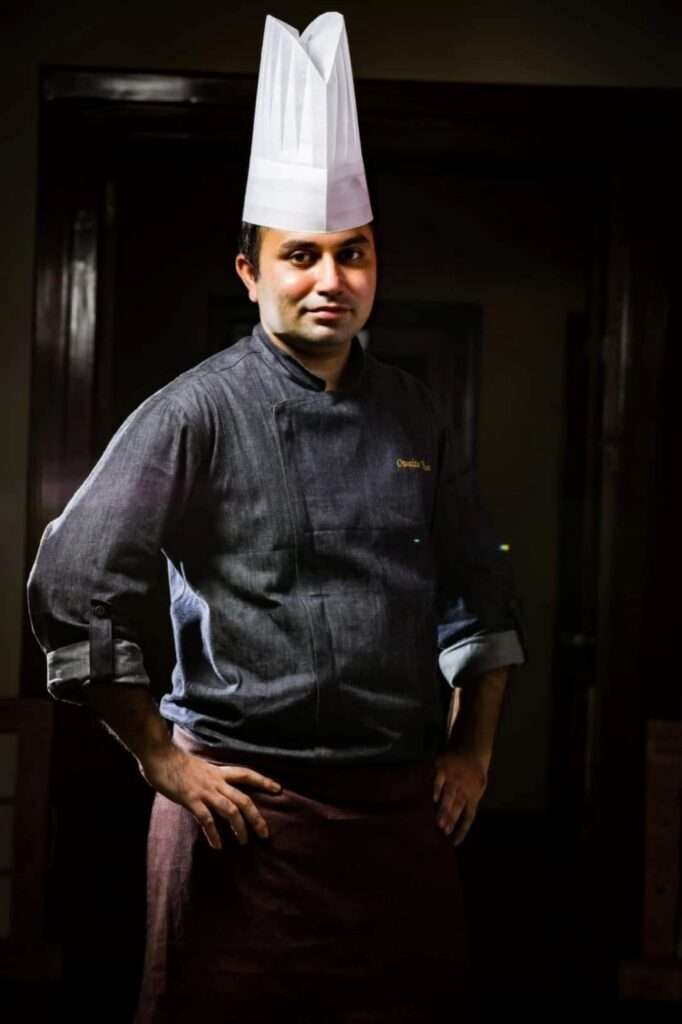
By Owaize Ahmed Khan, Executive Chef—Hilton & Hilton Garden Inn Bengaluru Embassy Manyata Business Park
At Hilton Bengaluru Embassy Manyata Business Park, this evolving approach to dining takes shape through Le Petit Chef, an experience that blends projection mapping with a multi-course meal. Rather than positioning food as a standalone element, the concept introduces diners to a narrative unfolding directly on the table, where a miniature animated chef guides the evening course by course.
What makes such formats compelling is not merely the use of technology, but the way they alter the rhythm of dining itself. Meals become interactive and paced with a sense of anticipation, allowing guests to engage with each course before it arrives. The visual storytelling builds curiosity, while the culinary execution is tasked with translating imagination into something tangible.
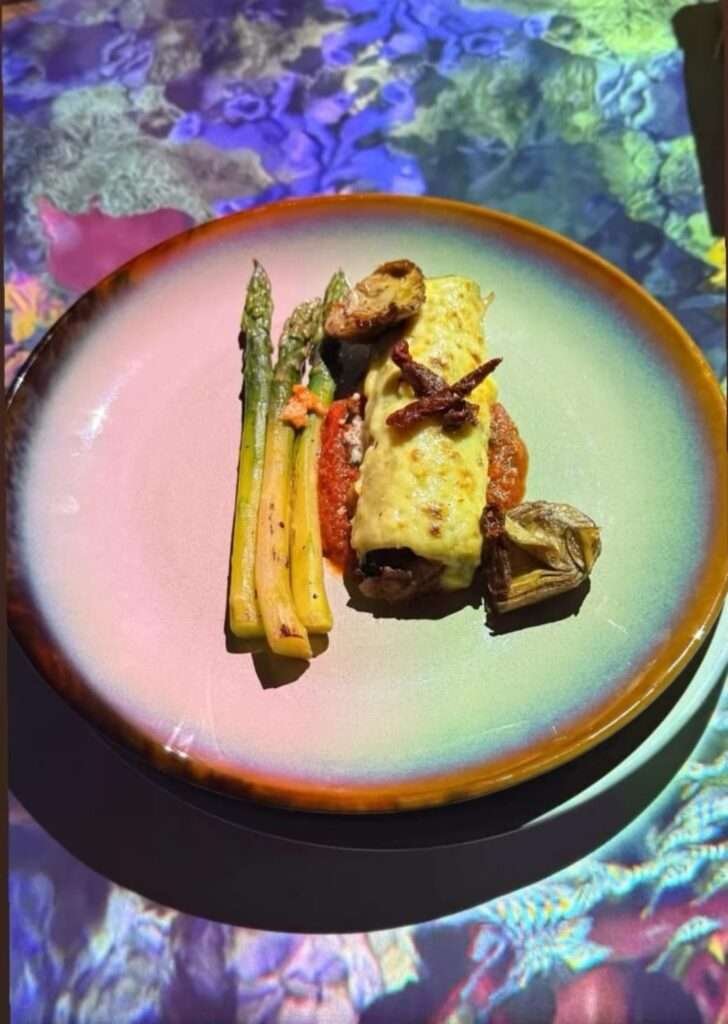
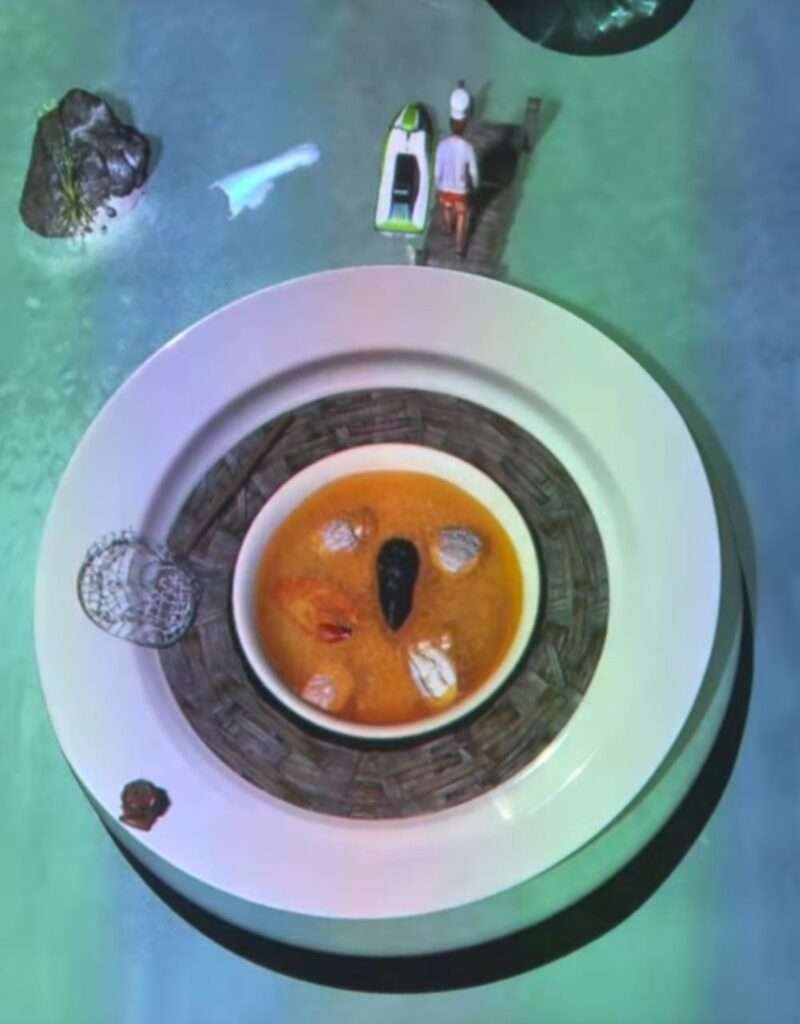
For chefs and hospitality teams, this format also presents a different creative challenge. The dining experience extends beyond flavour and presentation into timing, atmosphere, and emotional response. Every transition — from projection to plated dish — requires precision so that the experience feels cohesive rather than theatrical for its own sake.
Another notable aspect of immersive dining is its broad appeal. Families, younger diners, and seasoned travellers often engage with the experience differently, yet find themselves sharing the same sense of discovery at the table. In many ways, these concepts succeed because they create moments of collective participation, encouraging conversation and curiosity in spaces where dining can otherwise become routine.

