

By Team Retropop
At Dirty Apron, the evening unfolded as more than just a chef’s tasting—it became a thoughtful exploration of flavor, technique, and storytelling. Led by Chef Manoj Pandey, the renewed experiential dining destination at The Piano Man blends European comfort food with bold Asian influences, creating a menu that feels refined yet deeply comforting.
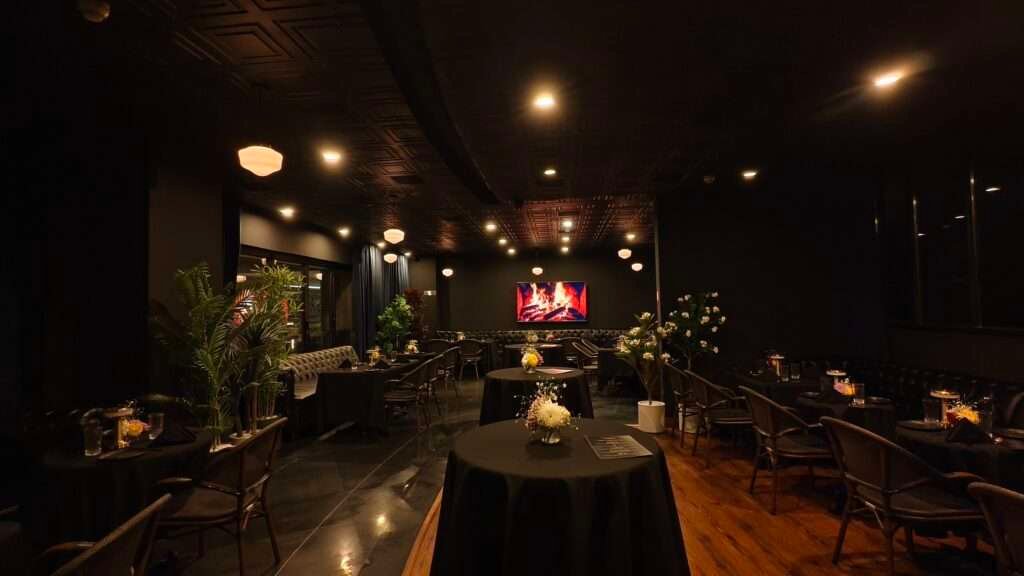
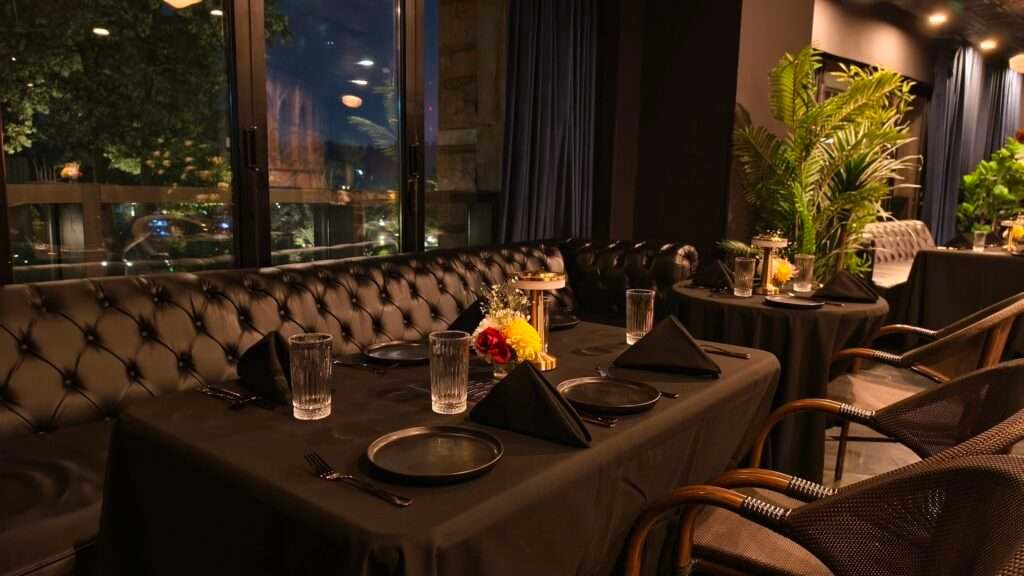
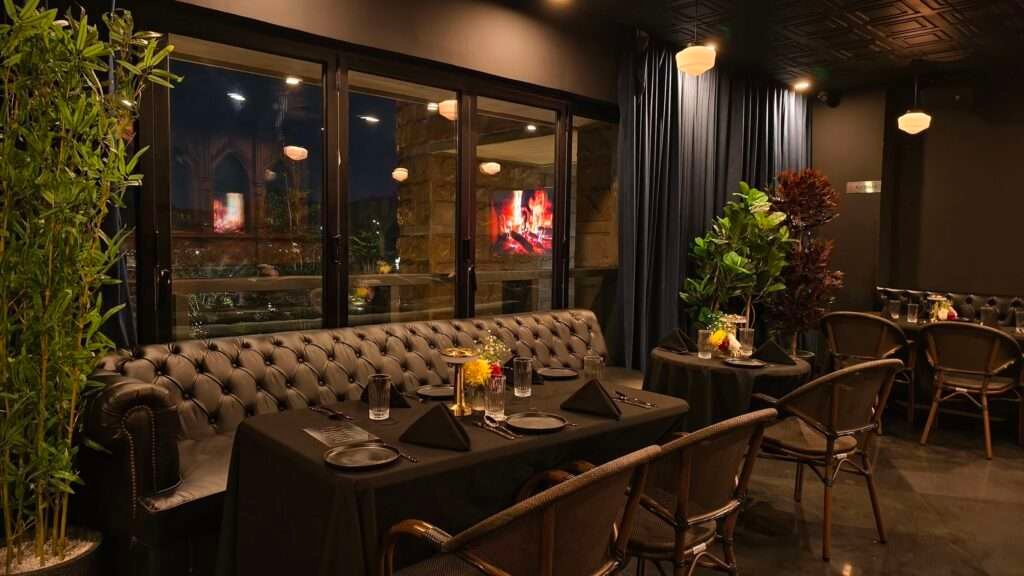
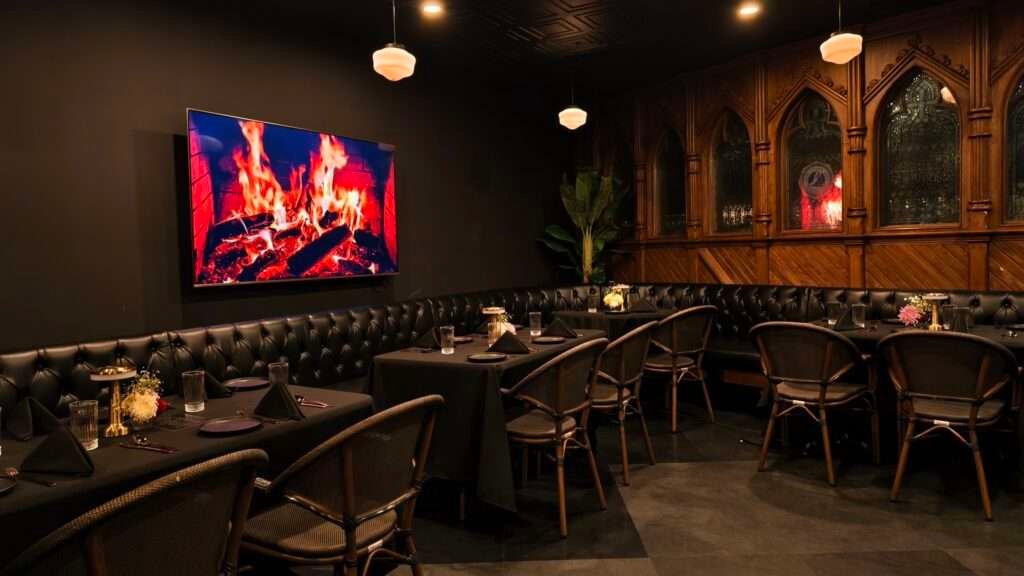
The exclusive five-course tasting menu featured standout creations like Reconstructed Tom Kha, Buckwheat & Morel, Tandoori Miso Lamb Chop, Spicy Miso Black Cod, and the citrus-forward Yuzu Bar. During the intimate evening, Chef Manoj shared insights into the inspiration, philosophy, and craftsmanship behind the newly curated menu at Dirty Apron. Here’s a glimpse from our conversation.
.You describe the menu as “European comfort with Asian soul.” Which dish do you feel best captures that blend?
For me, European cuisine represents comfort—hearty dishes, slow cooking, and classical technique. Asian cuisine represents soul—bold flavors, balance, umami, and freshness. When you bring the two together thoughtfully, you create food that feels emotionally satisfying while still exciting the palate. That balance defines our menu.
If I had to choose one dish that truly captures this philosophy, it would be our Sushi Tacos. We take the delicate foundations of Japanese sushi and reinterpret them through a modern, globally inspired lens. Perfectly seasoned sushi rice is tucked into a crisp nori seaweed taco shell, creating something that feels familiar yet intriguingly different. The dish is accompanied by classic sushi condiments like wasabi and gari, allowing guests to experience the elegance of sushi in a format that feels vibrant, contemporary, and unexpected.
.How has your culinary philosophy evolved with this renewed Dirty Apron menu?
With the renewed Dirty Apron menu, my philosophy has evolved from experimentation to refinement and balance. The focus now is on creating dishes that feel comforting and familiar while carrying the depth and vibrancy of Asian flavors. It’s about allowing ingredients to speak for themselves, presenting thoughtful plating, and creating cuisine that feels both globally inspired and deeply personal.
.Since it’s a five-course tasting menu, how did you think about progression and pacing across the meal?
For a five-course tasting menu, progression and pacing become just as important as the dishes themselves. The idea was to take guests on a gentle culinary journey rather than presenting individual plates in isolation, which is why we began with Tempura Spinach and Sushi Tacos.
We designed the sequence to gradually build in flavor and intensity. The opening course is light, fresh, and inviting—something that awakens the palate without overwhelming it. As the meal progresses, the flavors become deeper and more layered, introducing richer textures and more complex elements like the Buckwheat & Morel with ponzu sauce and the Miso Lamb Chop.
.Are there any seasonal or locally sourced Indian ingredients featured on the menu?
Yes, seasonality and local sourcing play an important role in shaping the menu. While the cuisine draws inspiration from European techniques and Asian flavors, we consciously incorporate Indian seasonal produce wherever it naturally fits into a dish. For example, we source morels from Kashmir and different varieties of chilies from Northeast India.
.Is there a story or memory behind any dish that diners might not immediately guess from the menu description?
Yes, one dish that carries a story guests might not immediately realize is our Truffle Chicken Kiev. At first glance, it may seem like a familiar interpretation of the classic European dish, but the process behind it is far more intricate than expected.
Instead of preparing it traditionally, the chicken is first carefully processed into a fine paste, which is then meticulously molded into shape to achieve the texture and structure we want. This technique allows us to create a Kiev that looks quite distinct from the traditional version while delivering an even more indulgent experience.
Once cooked, the exterior develops a delicate crispness while the inside remains incredibly soft. As guests cut into it, warm truffle-infused cheese slowly oozes out, creating the comforting and decadent moment that defines the dish.
.Which dish challenged you the most while developing this menu?
One of the most challenging dishes to develop was the Pickled Tiger Prawns with Seafood Risotto and Vermouth Sauce. Every element in the dish carries its own strong character, which made balancing the flavors incredibly complex.
The challenge was ensuring that no single component overshadowed another while still allowing each element to maintain its own identity. We spent a great deal of time refining the details—deciding which style of risotto would provide the right texture and depth, what kind of pickling would best enhance the natural sweetness of the tiger prawns, and how the vermouth sauce could bring everything together with the right balance of acidity and aroma.
It took several rounds of experimentation before we arrived at the final version. Once everything fell into place, the dish developed a beautiful balance of richness, brightness, and complexity. Today, it’s one of the plates I’m most proud of on the menu—a dish where every component speaks, yet harmony defines the overall experience.
.If a guest could remember just one bite from the evening, which one would you hope it to be?
That’s always a difficult question for a chef—choosing just one bite from your own creations is never easy. Every dish on the menu has been carefully thought through, developed, and refined, so each plate carries a piece of the story we want to tell.
However, if I had to choose one memorable bite, it would probably be the Buckwheat & Morel with Ponzu. It beautifully captures the balance we aim for throughout the menu.
The base is a delicate butter and buckwheat tart that brings gentle nuttiness and richness. Inside sits a beautifully stuffed morel, adding earthy depth and character. What truly brings the dish alive is the sweet and tangy ponzu sauce, which cuts through the richness and ties everything together with brightness and lift.
It’s a small bite, but it carries a wonderful interplay of texture, earthiness, richness, and acidity—and in many ways, it perfectly reflects the spirit of the menu.
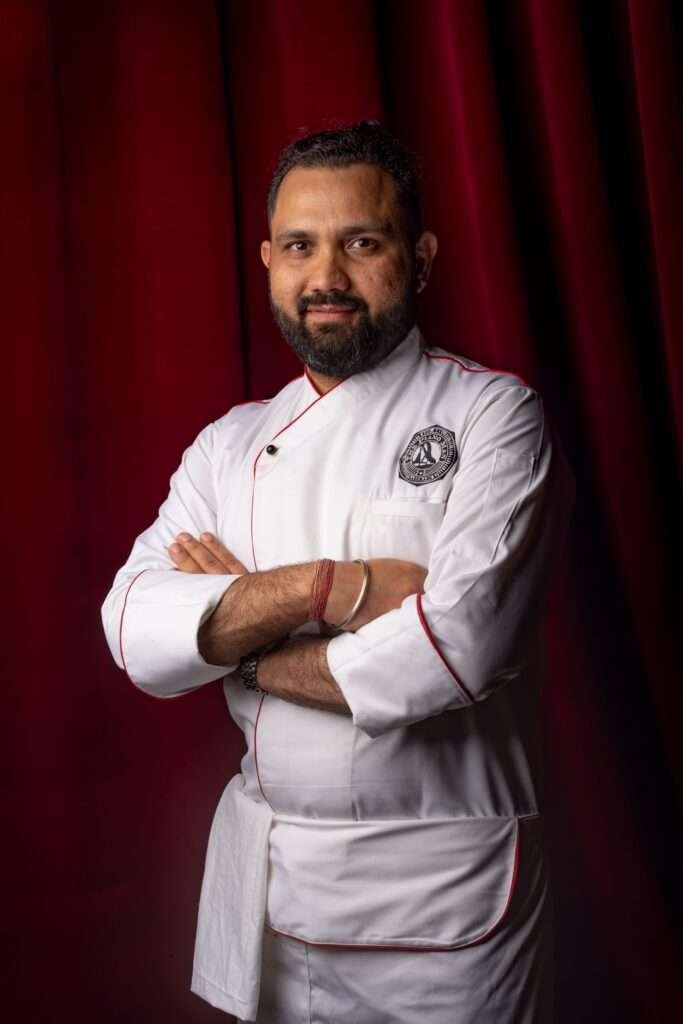
Chef Manoj Pandey

