Retropoplifestyle

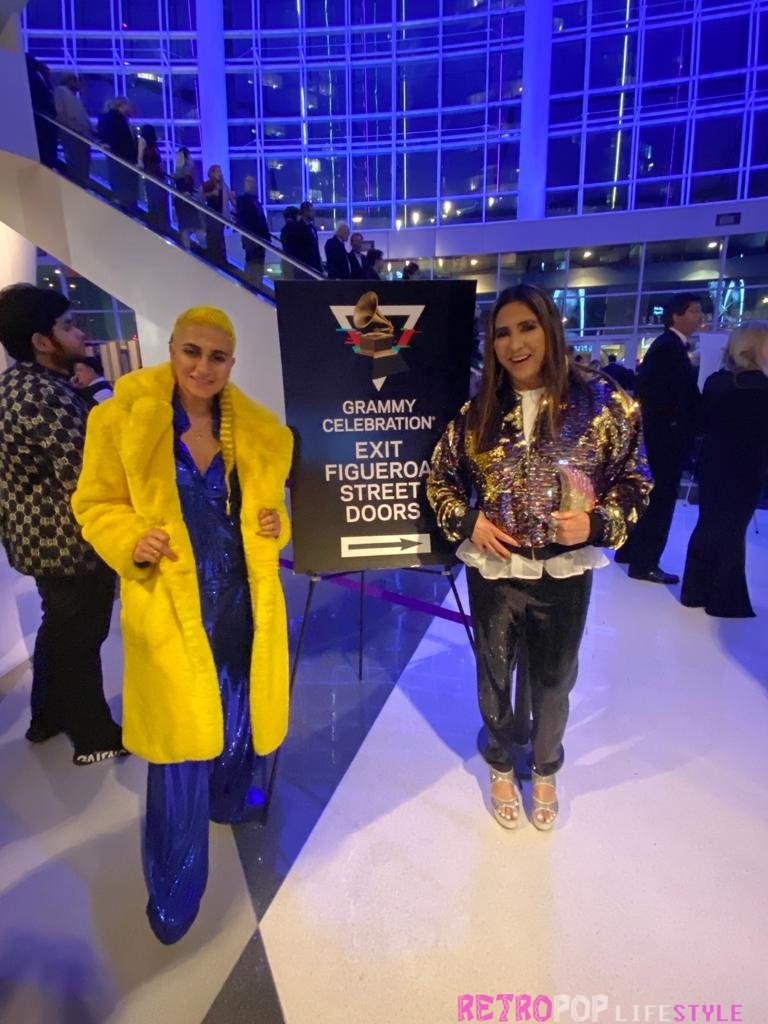
Meera Gandhi at the Grammy

Meera Gandhi, Humanitarian, Philanthropist and the founder of The Giving Back Foundation attends the Grammy 2020 along with her daughter Kiran Gandhi who is an American Music Producer and Drummer that goes by the stage name of Madame Gandhi.

 The Grammy event was an inspiring one on so many levels. Alicia Keys performance of arise, and Billy Eilish’s many Grammy wins a clear indication that the world wants to live in peace and love undivided on all levels. The staples centre was packed you the rafters as the 2020 Grammys unfolded.

 Madame Gandhi my daughter and artist dazzled on the red carpet! She will perform at VH1 supersonic 2020 in Pune india next Sunday. Tonight as we mourn the loss of Kobe Bryant let us all be reminded life is a precious fleeting, fragile breath – says Meera Gandhi.

ATMOSPHERE KANIFUSHI MALDIVES UNVEILS NEW OVERWATER VILLAS

40 brand-new overwater villas unveiled, offering the discerning traveller the ultimate in luxury accommodation.

There are two overwater villa options available to guests; 12 facing the main island for the best sunrise views, and 28 sunset view villas with private pool.

A UNIQUE EXPERIENCE

 Guests can spot marine wildlife including reef sharks passing by from the privacy of their villa decks, and enjoy uninterrupted views of the ocean.

The interior design of the new villas has been carefully selected to complement the island surroundings, with accents of blue and tropical colours, along with Maldivian style soft furnishings and intricate wall art. The large bathroom is a spacious haven and glass-panes built into the floor allow guests to gaze upon the ocean below without leaving their villa.

Villas are equipped with all mod-cons and direct access to the water means guests can take a dip into the lagoon from their own private wooden sundeck . 24-hour butler service ensures guests’ needs are always met – from making restaurant reservations, to arranging snorkelling excursions and booking spa treatments.

Located on the north west lagoon of Kanifushi island, the overwater villas are set across two wooden walkways, interconnecting in the middle. The result is a stylish cross-over formation and provides the perfect place for guests to stroll along and enjoy the waves and beach nearby.

A brand-new overwater restaurant, “PIER SIX,” has also been built on the new overwater peninsula, offering guests a range of cuisines, including an array of seafood and Japanese Teppanyaki grill options. “Pier 6” has been designed in the shape of a native Manta Ray, andfeatures high ceilings and blue marble walls, with indoor and outdoor seating to accommodate up to 60 guests.

Venkata Giri, Chief Operating Officer at Atmosphere Hotels & Resorts, says: “Perfect for those after a unique villa experience and the chance to be close to the ocean, we have developed the new overwater villas at Atmosphere Kanifushi Maldives specifically to offer guests a wider choice of accommodation options..

“We are committed to growing and developing the resort to reflect the needs and desires of our customers and we’re confident the overwater villas will give guests an experience they will never forget.”

Located in the Lhaviyani Atoll, five-star Atmosphere Kanifushi  is 2km long and surrounded by a turquoise lagoon, reached by a 30-minute seaplane transfer from Malé International Airport.

Atmosphere Kanifushi is truly a paradisiacal island, featuring lush green palm trees, flourishing tropical vegetation and white sandy beaches. The resort is home to a natural coral reef that surrounds the island, ready for exploration.

Guests at Atmosphere Kanifushi Maldives are already part of the generous premium All-Inclusive Platinum Plus™ Plan, that provides an all-encompassing, hassle free holiday –food & beverages, dining experiences, activities, excursions, and exclusive services and amenities in some of the largest entry-levelbeach villas in the Maldives.

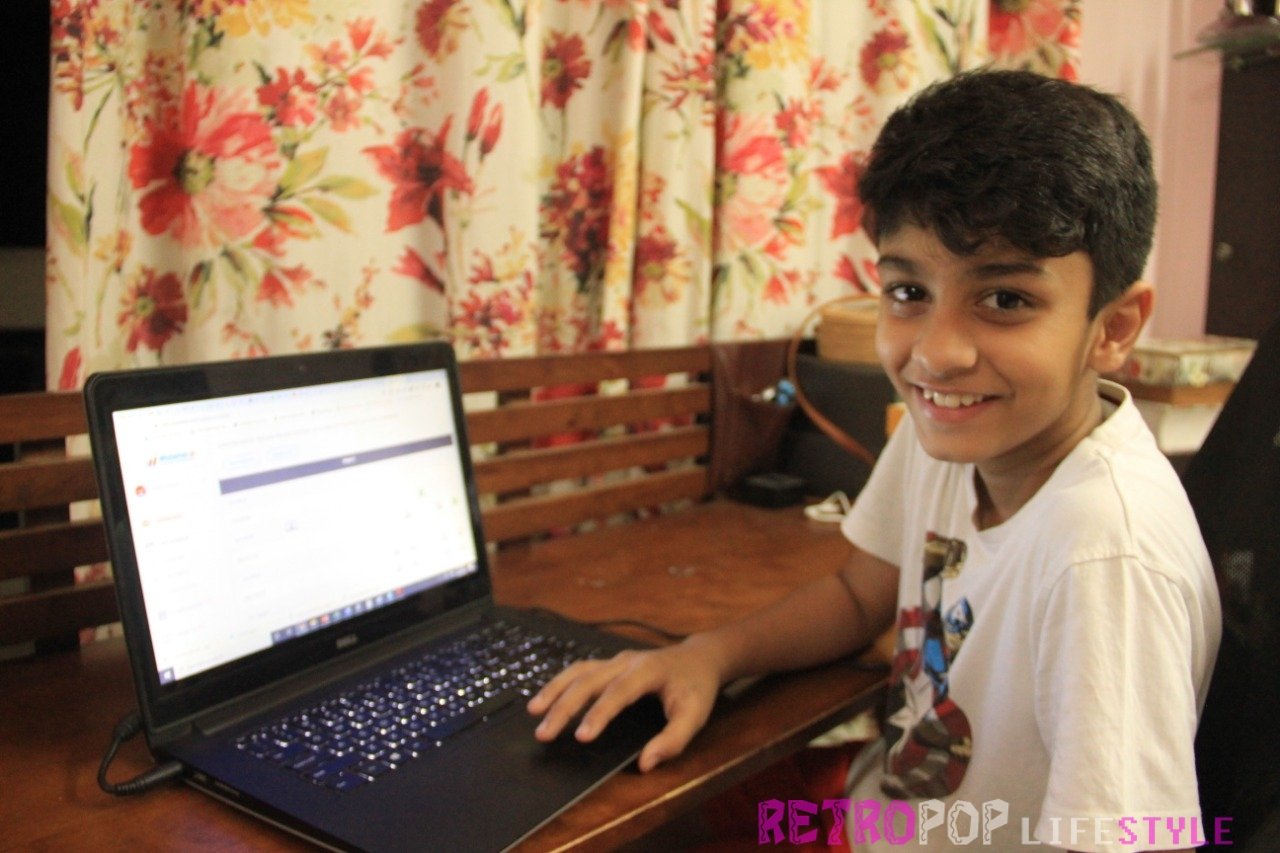
9-year-old Delhi Boy Creates an App to Help Kids Manage Stress

Created on WhiteHat Jr platform, Distress Buddy App aims to encourage children to speak up when faced with inappropriate behavior or stressful situations 

Children go through emotional, mental, and physical changes as they grow up and are faced with anxiety and stress on a daily basis. However, most of them are not able to express themselves clearly which takes a toll on their health. To tackle this situation, 9-year-old Madhav Agnihotri from Delhi has created the Distress Buddy App, which helps kids to connect with professionals to get required assistance to overcome anxious situations.

It is difficult for parents to understand their child’s mood swings and they often end up scolding their kids in such situations. The child in turn is not able to express his emotions properly, and this leads to anxiety and depression. Madhav saw his sister go through stressful situations because of higher studies. While learning coding on the WhiteHat Jr platform, Madhav thought of utilising his learning to create an app to help his sister and other children seek professional counselling and relieve themselves from such stressful scenarios. Once logged in, the app provides stress-relieving exercises, quizzes, and motivational quotes to boost the morale and helps the kid to relax. The app also has professional psychologists’ details, along with other important help-line numbers, which can be utilised by both the kids and their parents whenever required.

“In today’s time, kids are very aware of societal issues and want to contribute in their own way to address them. Teaching kids to code not only provides a well-structured way to introduce them to rational thinking and problem-solving skills, but also improves their logical and analytical thinking, and increases creativity and concentration. Kids as young as 6-year-old can start to learn coding to prepare them for the future. We are witnessing many young kids like Madhav creating some extremely creative, high utility digital applications that will make a lasting impact on the world.”, said Karan Bajaj, Founder and CEO, WhiteHat Jr.

Another example is of 10-year-old Agastya Singh Yadav from Delhi, who created Pet A Pet app, which allows pet owners to connect with the right foster homes to take care of their pets when they are travelling. Finding a loving and caring foster home for pets can be tough, and Agastya faced similar issues whenever he had to travel. He created the app where users can connect with the right foster families for their pets, without being worried about it during their vacation.

9-year-old Vihaan Khera from Delhi loves reading but buying new books all the time was a pain point for him. So, with the help of WhiteHat Jr., he created the Book Barter app which allows users to exchange books, instead of selling it to a second-hand book seller. Users can upload information like review and picture of the books they would like to trade with others and communicate with the owner over email for the exchange.

All these kids are learning to code on WhiteHat Jr, an EdTech startup that teaches coding to kids between 6 to 14 years of age. Teaching cutting-edge curriculum on technologies like AI, robotics, machine learning and space tech, the startup aims to harness natural creativity of kids and shift their mindset from being consumers to creators at an early age. After seeing great success for its online platform, the company is working to bring its AI and robotics coding curriculum to schools across the country.

It has started a program where top 1% of kids on the platform will have a chance to get an all-expense paid trip along with one of their parents to Silicon Valley in the USA to be mentored by top entrepreneurs and venture capitalists. They are also soon starting a 15 under 15 fellowship wherein White Hat Jr will help the top 15 kids on the platform incubate their own startups and provide a $15000 fellowship to them.

Asha Gautam by Designer Asha & Gautam Gupta Launches their New Collection Titled – NUR JAHAN

Traditional&Ethnic Wear

NUR JAHAN

History is witness to many great stories and one such great story is of Mihr-un-Nisa and her love for Jahangir. She was not only beautiful but generous, cultured, educated and intelligent. Jahangir gave her the title of Nur mahal (Light of the palace) and Nur Jahan (light of the world). In fact, she is the only Mughal empress to have issued a decree known as ‘Nishan,’ a privilege reserved strictly for the male members of royalty.

Collection Inspiration:

Nur Jahan, her beauty, her love for fashion and jewelry, art, dance and music and above all her kindness.

Highlights

 Music, jewelry, florals, their wedding and its celebration are illustrated and then woven to narrate her story.

Collection Details

 Rich textiles such as paithani, bandhani, banarasi silk, tissue, kota, organza and patloa are used to give the collection royal feel. They have used vibrant colours such as bright rose, tomato red, radiant yellow, garden green, beetroot purple, hot red, rice gold to coriander brown to give the collection the vibrancy. Vintage zardosi embroidery is used with pearls, ari, resham,.

Quote

  Designer Gautam Gupta.  

History always remember the love of Jahangir and Anarkali but love of Nur jahan and Jahangir is also a story along with the strong personality of Nur jahan which is not only inspiring but also way ahead of its time” .

 Courtesy- Asha Gautam by Designer Asha & Gautam Gupta

Visit California signed an MOU with Producers Guild of India

During the India visit of the Hon. Lieutenant Governor of California Ms. Eleni Kounalakis and the Visit California Sales Mission, Ms. Caroline Beteta, President & CEO of Visit California, Colleen Bell, Executive Director of the California Film Commission and Mr. Siddharth Roy Kapur, President Producers Guild of India signed an MOU in Delhi, introducing the “California Incentive Collection,” a booklet containing a set of unique incentives especially compiled for film, television and new media content production houses from India.

Photo Caption ( Image I & II)   From( L) Caroline Beteta, President & CEO, Visit California, Colleen Bell, Executive Director California Film Commission, Eleni Kounalakis, Lieutenant Governor of California with Siddharth Roy Kapur, President Producers Guild of India


TAJ HOTELS LAUNCHES NEW UNIQUE SPIRITUAL EXPEREINCES

The iconic Taj Hotels, a leader in luxury hospitality andthe pioneer of developing spiritual tourism in India, today announced, ‘Divinity Trails at the Taj’ –new experiences across key destinations in India.

Spiritual or religious tourism in India accounts for 60% of total domestic tourism, based on estimates. With hotels at key locations like Tirupati, Varanasi, Amritsar, Madurai,and Rishikesh,Taj Hotels is well positioned to capture thedemand at these key spiritual destinations.

IHCLwith all its brands is a dominant player in many other cities of spiritual significance including Nashik, Ajmer, Katra, and Dwarka with a footprint of 32 hotels in 17significant locations across India with over 4,000 rooms.

Renu Basu, Senior Vice President – Global Sales and Marketing, IHCL said, “There are many soulful journeys to be taken in India – a country that is synonymous with spirituality globally. With the Company’s footprint across these destinations, we are pleased to play a role in this growing tourism segment. Divinity Trails at the Taj is our way to encourage travelers to explore self-fulfilling and spiritual experiences while enjoying a luxurious break.”

Among the key Divinity Trails destinations included is the newly-launched Taj Tirupati, a suitable base for experiencing the LordVenkateswara Temple in Tirumala, one of the most visited religious sites on earth. Rishikesh has long attracted spiritual seekers to India, including, famously, the Beatles, who visited in 1968. Taj Rishikesh Resort & Spa, Uttrakhandlocated on the banks of the River Ganges, offers a restorative stay for those looking to immerse themselves in yoga and meditation.

Famous for the exquisite Golden temple and inextricably linked with the history of Sikhism, Amritsar is the location of the Taj Swarna, Amritsar. Millions travel to take a dip in the holy Ganges at Varanasi which is considered the spiritual capital of India. Join in the spectacular ceremony of Ganga Aarti whilst staying at Taj Nadesar Palace or Taj Ganges, Varanasiand watchthousands of floating diyas light up the sacred River.

In Maduraiavail of curated temple tours arranged by Taj Madurai and hear tales of gods and goddesses whilst getting a glimpse of the town which has been the seat of divinity from time immemorial.

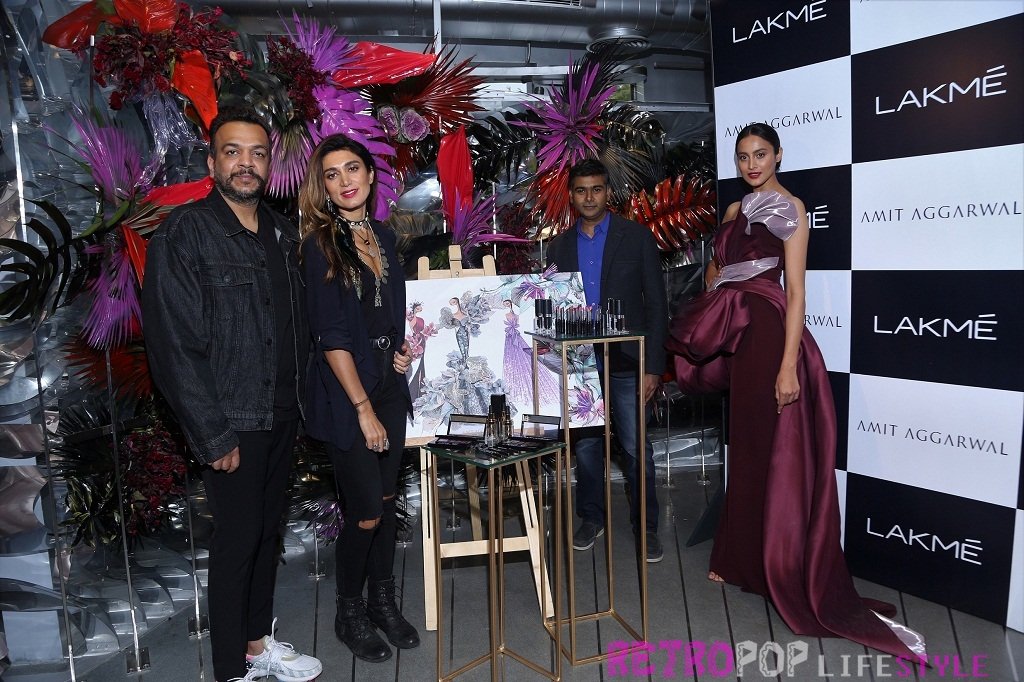
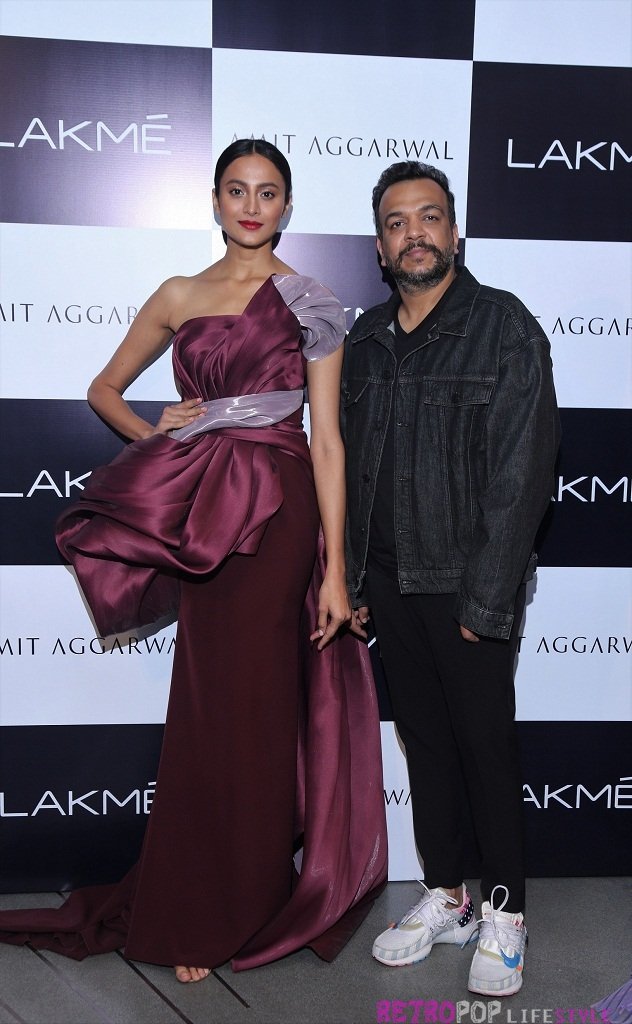
Lakmé X Amit Aggarwal hosted an exclusive preview today at the Amit Aggarwal store

Lakmé in association with futuristic designer Amit Aggarwal hosted an exclusive preview of his collection inspired by Lakme’s theme of #BetterIn3D which will be showcased at the Lakmé Absolute Grand Finale this Summer/Resort 2020. Lakmé also launched their new 3D beauty range using which Makeup Expert, Marianna Mukuchyan decoded beauty trends that will rule the runway this season.

Day 3 of the ZEE Jaipur Literature Festival 2020 featured a plethora of conversations on everything from Spirituality to Citizenship and War Reporting to Writing Fiction

ZEE Jaipur Literature Festival 2020

DAY 3

 A plethora of conversations on everything from Spirituality to Citizenship and War Reporting to Writing Fiction

Day three of the ZEE Jaipur Literature Festival 2020 began with a soulful performance by Carnatic group Trayam who commenced their set with calming early morning Ragas. They combined music, meditation and literature seamlessly in their first song. Keeping in mind that they were performing at a literature festival, they celebrated the word and included various languages in their set – starting with Sanskrit, moving on to a Carnatic song, followed by spiritual poetry and a Kabir doha. The Trayam ensemble, made up of classical musicians BC Manjunath, Praveen D. Rao and Varijashree Venugopal, performed with an array of musical instruments – the South Indian flute, harmonium, tabla, mridangam, tanpura and kanjira and had vocalist Varijashree on vocals.

‘Of the People, By the People: The Indian Constitution’, a session on at the NEXA Front Lawn of the Festival explored how the Constitution of India, the world’s longest one till date and 70 years old in 2020, came into being. On the eve of our 70th Republic Day, the Festival presented a powerful session featuring Madhav Khosla, Margaret Alva and Navin B. Chawla in conversation with Saif Mahmood. Navin B. Chawla said, “People mustn’t lose faith in our institutions, in our Constitution. It’s time we must empower them, the Election Commission, the Supreme Court.” With a somewhat different perspective, politician Margaret Alva said, “Women in politics today bring out the human side of development at the grass-root level.”

“When you want to learn something about another world, you read the cookbooks of that world.” This sentence by literary critic and moderator Chandrahas Choudhury encapsulated why Madhur Jaffrey’s work is of immense importance for not only Indians, but also for everyone who wish to learn more about India. On the third day of the Festival, at a session presented by UFO Moviez, Jaffrey spoke about her life and how food became a natural part of it. Jaffrey shared that she grew up in a joint family in Old Delhi, where delicious food was available aplenty. While the women of the family ate Hindu food, the men, who had been serving in the Mughal court, ate meat. This exposed her to a wide variety of delicious dishes. At the end of her teens, Jaffrey said that she decided to be an actor. Consequently, she left Delhi to study drama in London. There were two things that disappointed her about London- the smog, and the food. She said, “The food in post-war London was awful. At the (drama) institute, all we got was watery potato, watery cabbage and see-through bread.” This experience prompted her to reach out to her mother, who provided her with some delicious Indian recipes which she could cook in London. This became the start of her now-legendary culinary journey.

Glamour, make-up, lights, camera, dresses, fame. How does it feel like to be associated with the fashion industry for three decades? Nicholas Coleridge, in his memoir The Glossy Years, gives us a glimpse into the world of glossy magazines through personal experiences and anecdotes. At his session titled “Vogue House”, presented by INOX Nicholas, Coleridge recounted, “I can still remember the precise moment I fell in love with magazines. At Vogue House, lifts were very interesting. When they opened, you never knew who you might see. When I joined Vogue, the editorial team just had fourteen people. Tina Brown was so ruthless that she fired everybody between number 2 and number 13 in the first year that I was there!”

Motwani Jadeja Foundation presented a session on the youth of the nation, about their aspirations, fears, vulnerabilities and their view of the future of their nation and planet. Bringing his decade-long experience in gender and sexual rights, Rafiul Alom Rahman said, “In India, spaces have failed us in many ways – we need a space where people can create stories in all their complexities and contradictions. Sometimes, we have to fight our own battles.”

At a packed session presented by INOX , on the book The Girl from Aleppo: Nujeen’s Escape from War to Freedom, bestselling British author Christina Lamb said, “It’s difficult…you see terrible things…but you get hope from people like Nujeen…these people give you faith in humanity.”

As we witness a boom in technology and access to it in developing countries, a diverse panel of digital experts discuss the future of technology in emerging markets, and how it can be harnessed most effectively for its growing user base. Digital anthropologist Payal Arora examines the online lives of millions of people in China, Brazil, India and across the Middle East in her insightful book The Next Billion Users: Digital Life Beyond the West. Jaspreet Bindra’s recent The Tech Whisperer speaks of digital transformations and disruptions, and the technologies that enable this shift. At a session presented by NEXA, they discussed the different aspects of emergent technologies and how to leverage them in a constantly-changing and ever-connected world, with particular reference to the needs and aspirations of the next billion users. Speaking at the session, Payal Arora said, “We often assume that the tech companies have their users in mind when putting out tech, but often this is not the case – if they actually did then imagine what could be!”

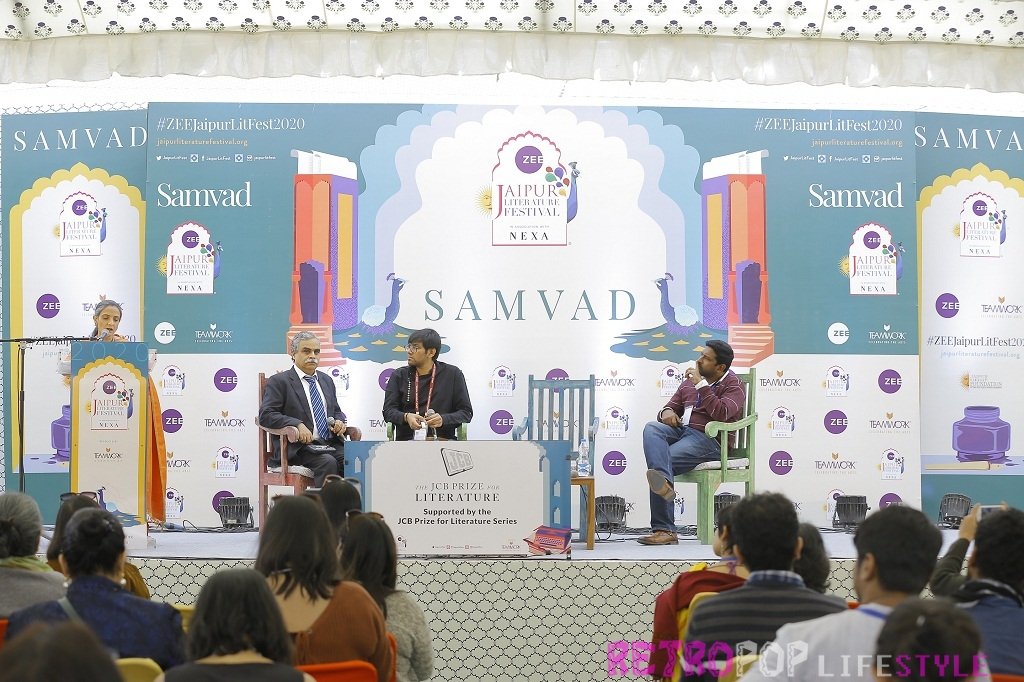
The JCB Prize for Literature series, conducted an enlightening session on ‘Literature for All’ with Ananth Padmanabhan, Dipendra Manocha and Siddhant Shah in conversation with Mita Kapur. The session talked about ‘inclusivity in literature’ for people with disabilities who can’t read or understand from printed books. The session highlighted the efforts taken by several NGOs and the publishing world in addressing this challenge faced by visually-impaired readers and stressed upon the need to make the solution affordable through the active participation of governments, the publishing industry and corporates as part of their social responsibility.

In ‘Shikara: The Untold Story of Kashmiri Pandits’ author and Journalist Rahul Pandita alongside film director, screenwriter and producer Vidhu Vinod Chopra in conversation with Shunali Khullar Shroff. Vidhu Vinod Chopra spoke about his upcoming film Shikara set against the beautiful valley of Kashmir. Described as a love letter to the land, it is a powerful, moving account of the true story of the exodus of Kashmiri pandits in the year 1990. With the region under national scrutiny at this time and recollections of past injustices abound, the timing of the release could not be more pertinent. Sharing his inspiration in making the film, Vidhu Vinod Chopra said, “In 2008, I began making a film on Kashmir. Shikara is a tribute to my mother. But it is also a tribute to all the mothers that have been exiled out of their homes in Kashmir.” Recounting from lived experiences and his book research, Rahul Pandita said, “Let me try to paint a picture for the audience of how Kashmir was in the 1980s – ‘86 onwards the situation turned drastically, ‘89 onwards there were bomblasts and after that, there were killings of Kashmiri Pandits. The Kashmir I lived was always going to result in a mass exodus.”

The session ‘Where Does Fiction Come From?’ explored the thinking process of fascinating writers of fiction. Moderated by Chandrahas Choudhary, the conversation revolved around understanding the place where fiction is brewed. For Elizabeth Gilbert, the best-selling author, fiction comes from a place that she calls “mothership”. She also lets the tone of the book decide what it wishes to be. “Does this book want to be a novel or non-fiction? You have to taste your way into it!”. When Franco-Moroccan writer, Leïla Slimani, began to write ‘The Perfect Nanny’, after having written 150 pages, she realized that she found her own work boring because the life of the nanny that she was projecting was very monotonous. “So, I decided she (the Nanny) was going to kill the children!” Slimani believes that when an author writes a novel, they want people to “turn the pages. For the fictional story to be interesting, “you have to work!”, said Slimani.

India’s Olympic Story by Nalin Mehta and Boria Majumdar traces India’s involvement in the world’s most renowned sporting event to the First World War, based on newly-found documents at the Public Records Office in London. A session featuring the landmark book’s authors, alongside athletes Deepa Malik, Devendra Jhajharia, delved into the stories behind some of our sporting stars who became national icons and their tales of triumph and indomitable will.

Dettol Banega Swasth India presented a session featuring Amitabh Kant, Namita Waikar and Parameswaran Iyer in conversation with Sanchaita Gajapati. Setting the narrative for the discussion, Sanchaita Gajapati highlighted the path-breaking initiative that Prime Minister Narendra Modi first spoke in his address to the nation on 15th August 2014. And then started the formation of an impeccable team of seasoned bureaucrats, technocrats and social workers to lay-out the planning and execution of a humungous national exercise. During the session Parameswaran Iyer said, “Swachh Bharat was a social revolution largely involving a behavioural change. It was not a story of one hero but a billion heroes across the nation.” Speaking about the key objectives of the campaign, Amitabh Kant said, “Swachh Bharat was never a toilet-construction programme but a behavioural change one. It is the people of Indore and Bhopal who have to be congratulated for making their cities ‘the cleanest in India.”

The Festival’s B2B platform Jaipur BookMark (JBM) ended on the evening on the third day of the Festival. Having started a day ahead of the Festival, the four days at Jaipur BookMark featured conversations steeped in literature and the various aspects of books and the book industry. On the sun-soaked terrace of the DC Books JBM Haveli hung an air of energetic anticipation of the iWrite presentations, a key mentorship programme of the Jaipur BookMark. As part of the programme aspiring writers got an opportunity to pitch unpublished manuscripts, short stories, poetry and works of fiction and non-fiction to international publishers, literary agents, translators and other industry experts and perhaps even sign a book deal! Mehool Parekh’s Bhoot, Bhavish, Bartaman read by Vani Tripathi Tikoo and Vikram Chandra speaking on The Writing Life set the tone for the events to come. This was followed by ‘A Master Class on Pitching’ which included panelists Aditi Maheshwari Goyal, Jan Stocklassa, Jayapriya Vasude-van, Kanishka Gupta, Mahendra Singh, Vineet Bajpai and Vaishali Mathur. Naveen Choudhary engaged the audience with a crisply succinct session on ‘How to use social media as a writer’.

The final day of JBM also featured two Festival Director’s Panels where 23 Directors and organizers of 21 book, literature and writers’ festivals from across 16 countries gathered to discuss the various aspects of running a festival. The first one had an opening presentation by Jean-Claude Perrier titled The Colour of Money. Following this, festival directors including Alexandra Büchler, Anne O’Brien, Elin Jones, Ilke Froyen, Jessie Friedman, Marion Regenscheit, Preeti Gill, Rashmi Ranjan Parida, Ravi Deecee and Vilis Kasims in conversation with Sanjoy K. Roy discussed the issues of money and sponsorship support as an important aspect of their profession. The second Festival Directors’ Panel started with an opening statement by Namita Gokhale, Transforming Challenges into Opportunities. In conversation with Sanjoy K. Roy, Ana Filomena Amaral, Anisur Rahman, David McWilliams, Jessica Alice, Marisol Schulz Manaut, Mita Kapur, Namita Gokhale, Natalia Lomouri, Raghav Chandra, Ravi Deecee, Simon Westcott and Tziona Shamay discussed the autonomy of literary festivals in the contemporary cultural economy. Acclaimed festival directors discussed the challenges faced by them.

Jaipur BookMark marked its end with a Closing Ceremony featuring Aditi Maheshwari Goyal, H.E. Hans Jacob Frydenlund, Namita Gokhale, Naveen Kishore, Neeta Gupta, Ravi Deecee and Sanjoy K. Roy.


The JCB Literature Foundation announces an initiative for the visually impaired at the ZEE Jaipur Literature Festival 2020

ZEE Jaipur Literature Festival 2020

The JCB Literature Foundation announces an initiative for the Visually Impaired 

The JCB Literature Foundation announced at the ZEE Jaipur Literature Festival 2020 an initiative to make books shortlisted for the JCB Prize for Literature more accessible to the visually impaired.

In its second year of successfully running India’s richest literary prize, the JCB Prize for Literature, the JCB Literature Foundation, which was established as a CSR initiative by the Delhi-based construction equipment manufacturer JCB India, has made significant progress in fulfilling its ambition to create an enduring cultural legacy in the country.

This initiative is an extension of the Foundation’s core objective to increase the readership of Indian books within India by making literature more accessible and inclusive, particularly among vulnerable communities and groups across the country.
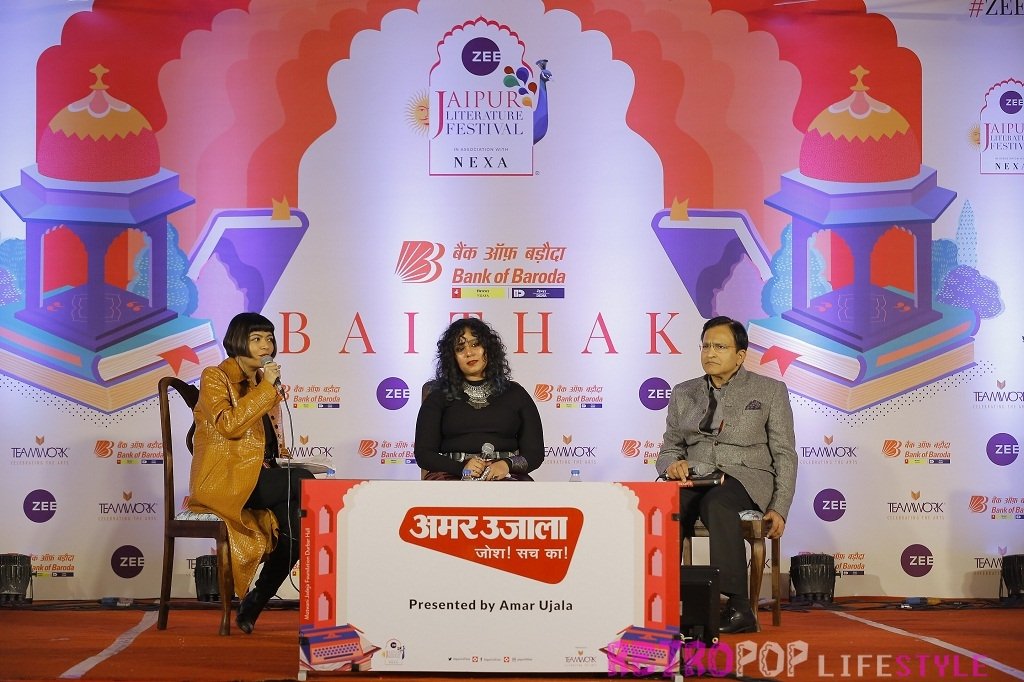
As part of this important initiative, the Foundation is working with Sugamaya Pustakalya, India’s first and largest collection of accessible books, to make books that were shortlisted  for the 2019 JCB Prize for Literature available as e-books for free download by the visually impaired community. For the first time ever, these shortlisted books will be accessible to those with a wide spectrum of visual impairment. Furthermore, the e-books will be made available to international libraries for visually impaired communities in other countries.

The Foundation has also partnered with Access for All to create a physical Braille copy of the 2019 JCB Prize for Literature winner, Madhuri Vijay’s The Far Field. Copies of the book, which will come with a tactile cover thus providing a complete user experience for the visually impaired, will be donated to Braille libraries across the country.

Commenting on this initiative, JCB India MD and CEO, Subir Kumar Chowdhury said: “Literature needs to be accessible to all within India. Since its inception in 2018, the JCB Literature Foundation had as one of its core objectives an ambition to make shortlisted entries to the JCB Prize for Literature available to all. This initiative by the Foundation to make the 2019 shortlisted entries accessible to the visually impaired in India and beyond is a crucial step in the right direction, which we intend to build on as the JCB Prize for Literature enters its third year in 2020.”

The announcement was made during a special session entitled, “Literature for All: The JCB Prize Shortlist in Braille”. Moderated by Mita Kapur, writer and Literary Director of the JCB Prize for Literature, the session discussed accessibility of literature and literary fiction for the visually impaired. The panelists included Ananth Padmanabhan, CEO of HarperCollins India, Dipendra Manocha, founder of the Saksham Trust and member of the Executive Committee of the World Blind Union and Siddhant Shah, founder of Access for All.

The session was part of a special series of discussions at the ZEE Jaipur Literature Festival 2020, offering the audience a richer insight into the 2019 JCB Prize for Literature shortlisted books, the jury, and the broader vision of the JCB Literature Foundation. The Foundation, in conjunction with the ZEE Jaipur Literature Festival, also ran a special session on accessibility of literature for the visually impaired in Jaipur BookMark catering specifically for the publishing sector.

One of the key initiatives of the Foundation, the JCB Prize for Literature was set up in 2018 to enhance the prestige of literary achievement in India and create greater visibility for contemporary Indian writing. The prize encourages translations and aims to introduce new audiences to works of Indian literature written in languages other than their own.

Mita Kapur, Literary Director commented, “By converting the JCB Literature Prize shortlist into Braille, we take a small step towards making the best of Indian contemporary fiction, in English and in translation, accessible to all. The hope is to encourage the publishing industry to adopt inclusivity as a guiding principle and to facilitate print-disabled people to create, share and read excellent Indian writing.”

ABOUT THE PANELISTS

Ananth Padmanabhan is CEO of HarperCollins India. He began his career in 1992 as a bookseller at the Landmark Bookstores in Chennai before joining Penguin India as a sales representative for South India. In 2010, he was named Vice President and was later appointed Senior Vice President in 2014. He is also a published author and photographer.


Dipendra Manocha is working as the Developing countries coordinator and Lead of Training and Tech Support with the DAISY Consortium (Digital accessible information system). He is a member of the Executive Committee of the World Blind Union. He is Managing Trustee of the Saksham Trust. He worked as Asst. Project Manager for the DAISY For All Project. He is the elected president of the DAISY Forum of India. He worked as Director IT & Services at the National Association for the Blind, New Delhi, India from 1993 till July 2008. He also worked as consultant to the Delhi University for establishing the resource centre for persons with disability. After completion of post-graduation and research degree from Delhi University he left his Ph.D. in between to work for the mission of providing information and content in accessible format to persons with print disability. In the past decade he has managed or coordinated several technological development and implementation projects.

Mita Kapur is the founder and CEO of Siyahi, India’s leading literary consultancy. Her first book, The F-Word, is a food book, memoir and travelogue. She has edited Chillies and Porridge: Writing Food, an anthology of essays on food. As a freelance journalist, she writes regularly for different newspapers and magazines on social and development issues along with travel, food and lifestyle.

Mita has received many awards, including the Karamveer Puruskar (2009) for her work as a journalist in creating social awareness and for being the best literary consultant in the country, the Maharani Gayatri Devi Award for Woman of Excellence (2014), and the Femina Women Super Achiever Award (2018) at the World HRD Congress. She curated Masala Chowk, a food court for street food in Jaipur in 2018, and was a member of the executive council for Jawahar Kala Kendra from November 2016 – October 2018. She is also the producer for the Woman Up! Summit, and Soul Connect Experiences, and was producer for Mountain Echoes – The Bhutan festival of Art, Literature and Culture (2010-2019).

Siddhant Shah is a Heritage Architect and Access Consultant who specializes in bridging the gap between Cultural Heritage and Disability, through his initiative #AccessforALL.  Shah, a Stavros Niarchos Scholar, has finished his MA in Heritage Management from the University of Kent (Athens Campus, Greece) and his bachelors in Architecture (BSSA-NMIMS, India) along with a Post graduate Diploma in Indian Aesthetics. When Siddhant’s mother became partially sighted; he started looking at the world with a different perspective, specifically observing the absence of accessibility for all. His experience of being in Greece and observing the inclusive planning of museums also urged Shah to create “experience-based prototypes” using the museum collection in India in order to make the country’s culture-scape an INCLUSIVE one.

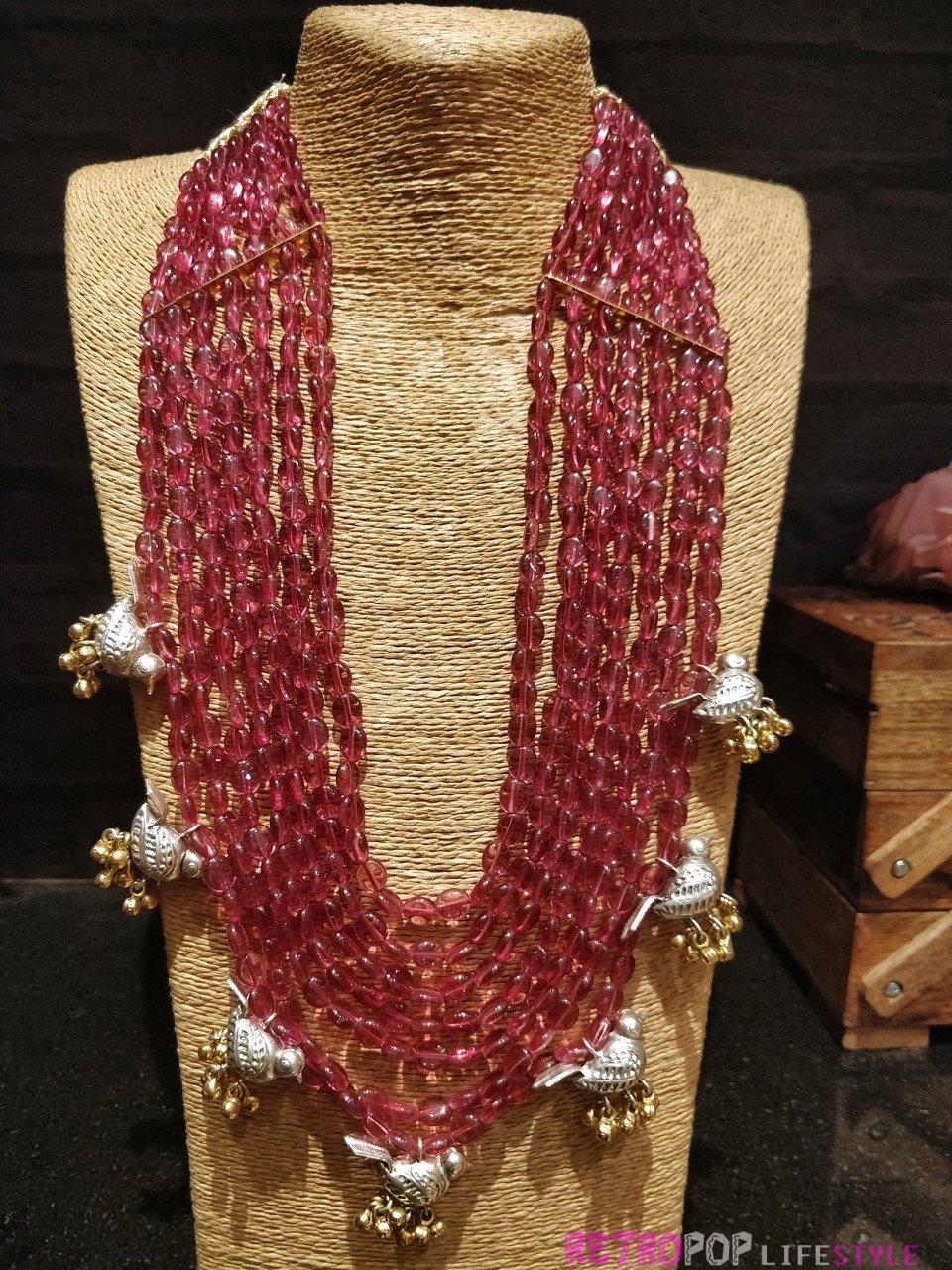
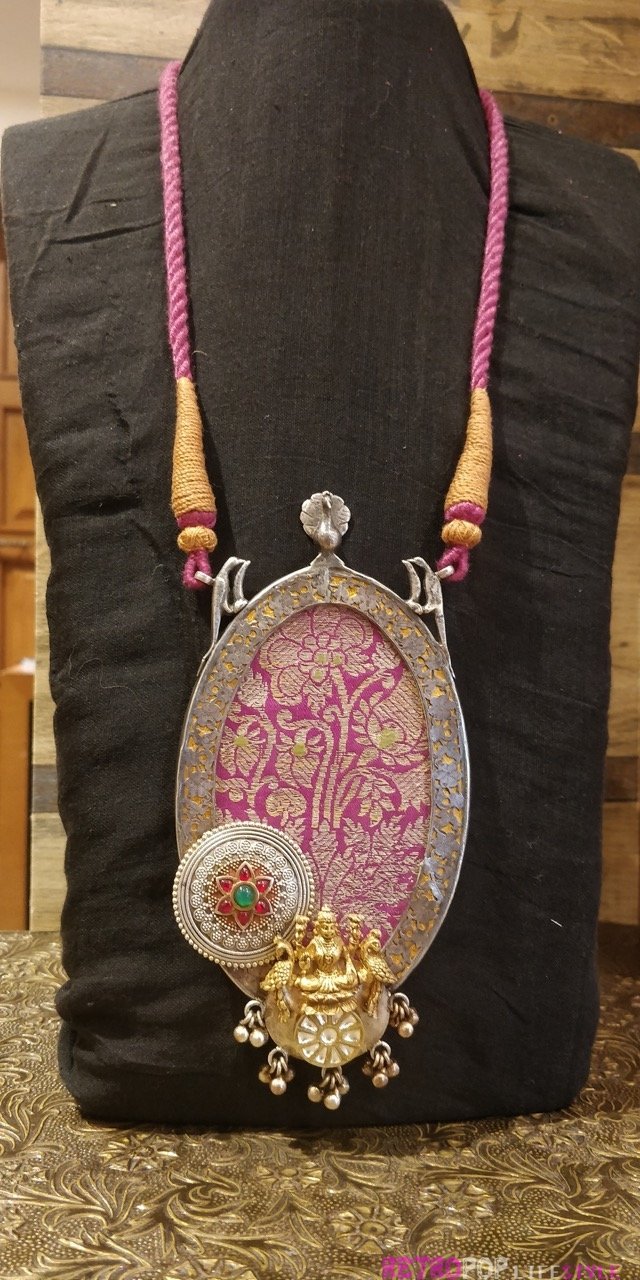
MOTIFS | Bespoke handcrafted silver jewellery with a tribal sul

Inspiration

 Surabhi Didwania’s love for jewellery which is traced back to her childhood, growing up in the sleepy yet beautiful hills of Kurseong, near Darjeeling. Cascading waterfalls, lush green valleys, chirping birds and exotic flowers made up her daily vistas the memory of which she taps into with her creations that are a generous nod towards nature-inspired her Motifs.

She  combines these elements with the essence of glorious Indian heritage, reinterpreting traditional Indian jewelry with her signature aesthetic to appeal to the modern-day admirers.