

Day 5 – 19 January 2026
Myth, Imagination, and the Enduring Question of Speech
The concluding day of the Jaipur Literature Festival 2026 unfolded as a meditation on imagination—across poetry, myth, visual storytelling, science, and the contested terrain of free expression. As the Festival drew to a close at Hotel Clarks Amer, conversations reflected both continuity and renewal, reaffirming Jaipur’s position as a global forum for ideas in motion.
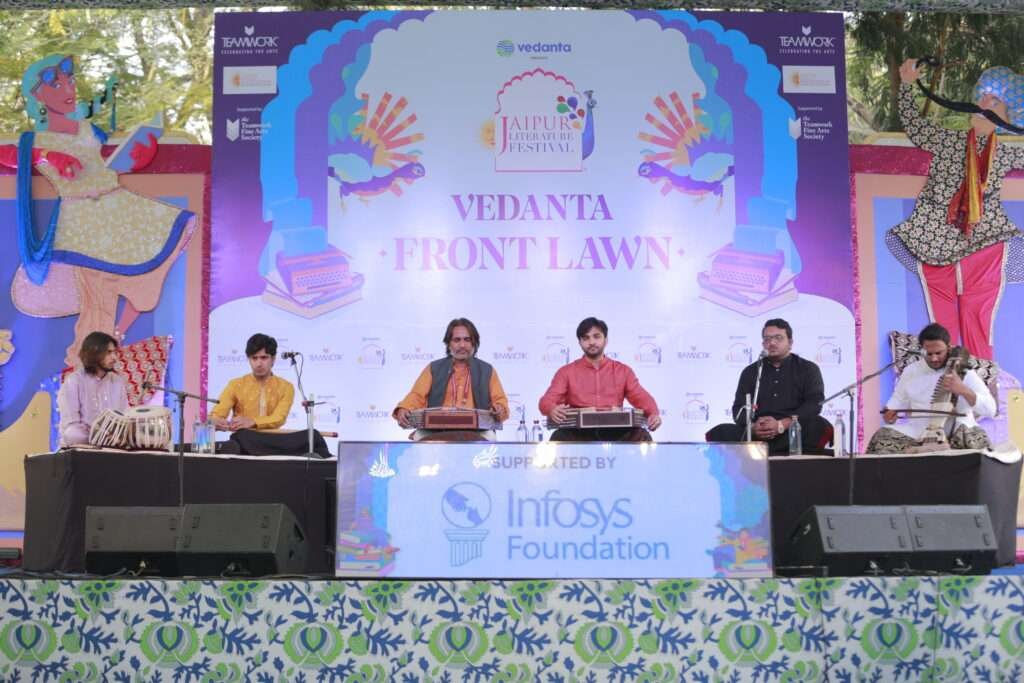
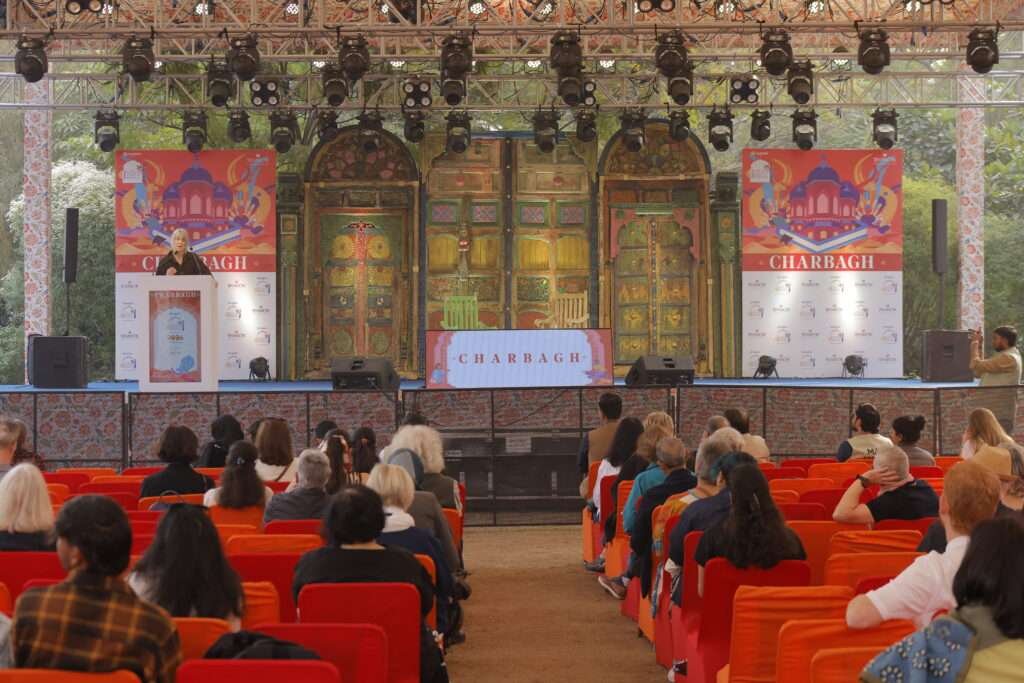
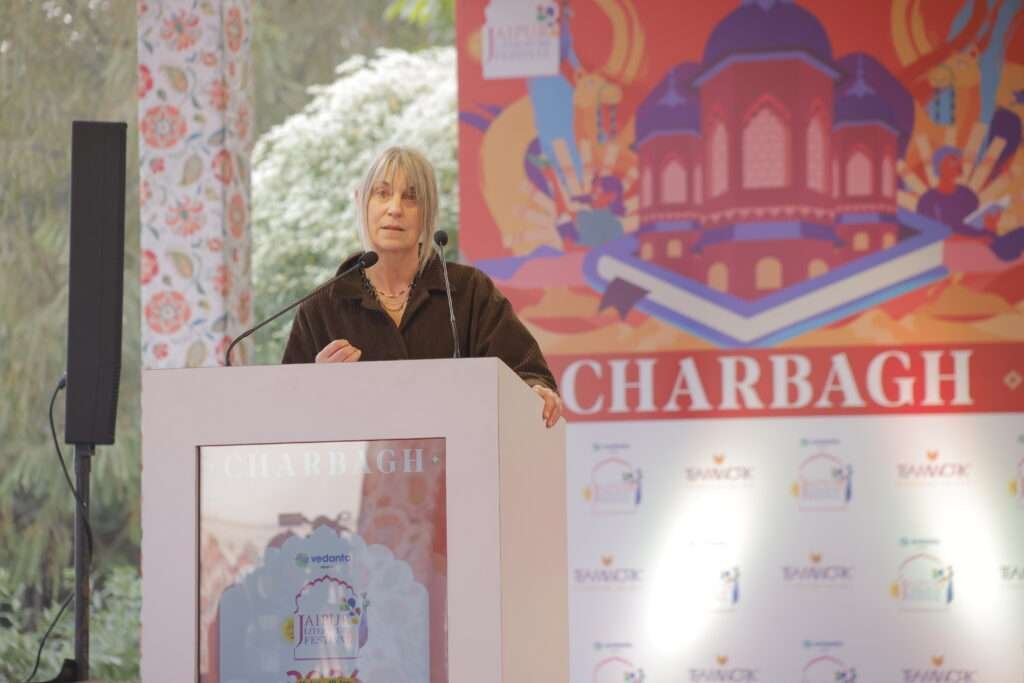
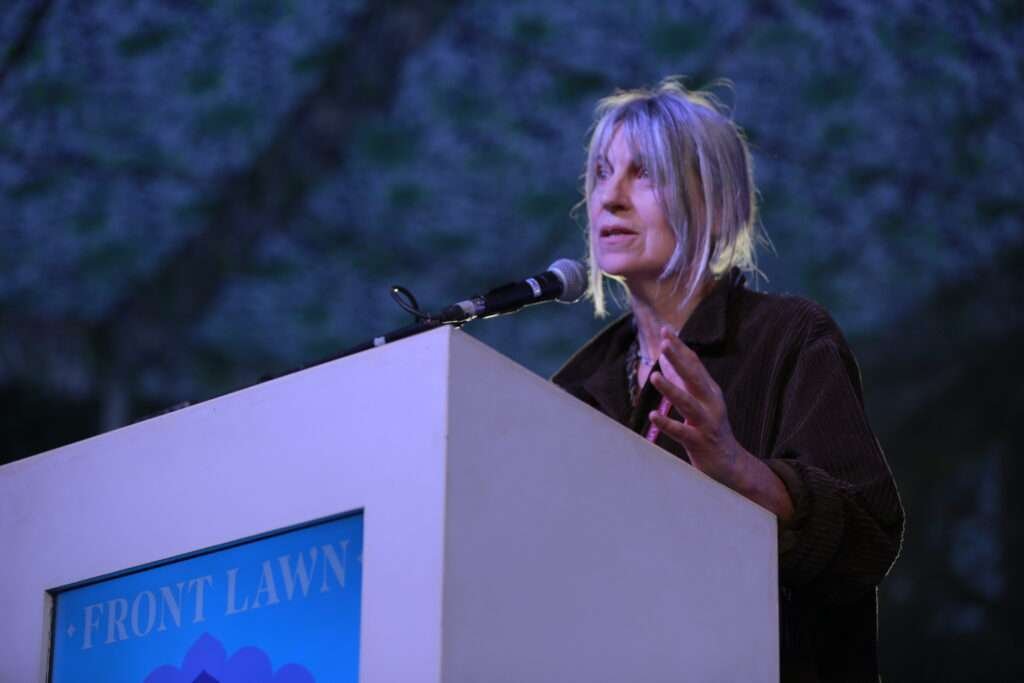
The morning opened with poetry. British poet Alice Oswald led A Journey Through Words and Worlds, offering readings attentive to time, water, mortality, and human presence. Opening with an invocation to Iris, the Greek goddess of the rainbow, Oswald spoke about repetition as a structural force in poetry, reading from A Short Story of Falling and A Barrister for the Dawn. The session set a reflective tone for the day.
Visual narrative took centre stage in Celebrating Manga and Graphic Novels. A Silent Voice author Yoshitoki Ōima appeared with her translator Tomoko Kikuchi, alongside Ujan Dutta and Abeer Kapoor, co-authors of Zoraver and the Lost Gods, in conversation with Radhika Jha. The discussion explored how image and text combine to express interior worlds, addressing themes of bullying, resilience, friendship, and communication.
Myth and speculative history shaped The Legend of Kumarikandam, where Anand Neelakantan joined Mridula Ramesh to explore lost civilisations and cultural memory. Introduced through Mahishasura: The Legend of Kumarikandam, the session traced how mythology continues to evolve through reinterpretation and imagination.
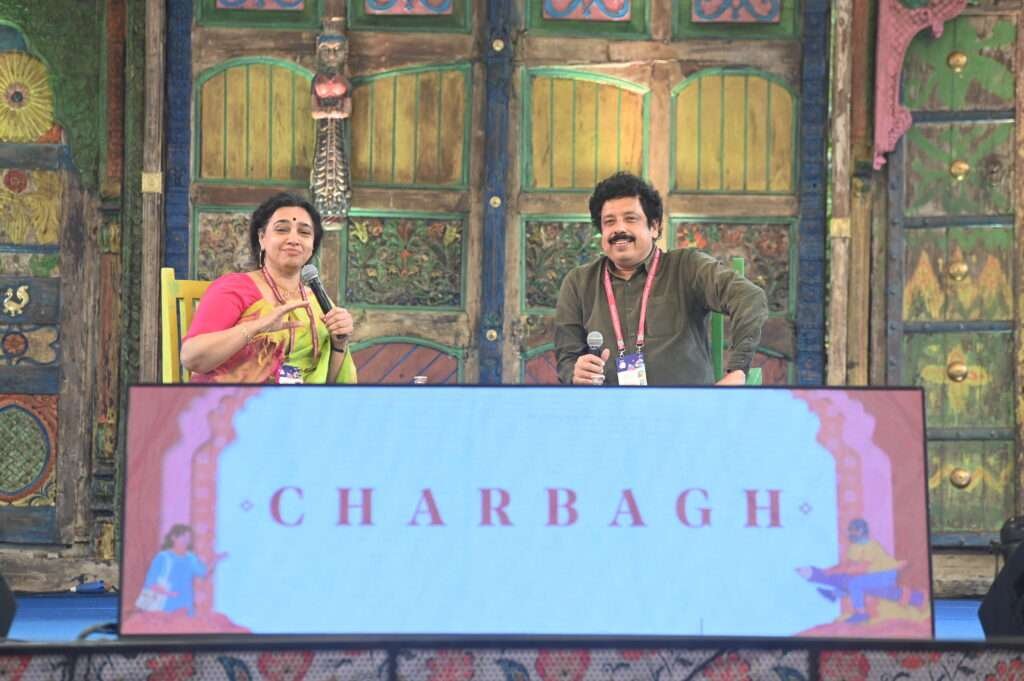
Questions of historical erasure were examined in Legenda: The Real Women Behind the Myths, with historian Janina Ramirez in conversation with Narayani Basu. Drawing from her book Legenda, Ramirez reflected on how women such as Joan of Arc, Lady Godiva, and Rani Lakshmibai have been shaped into symbols, often stripped of complexity to serve ideological narratives.
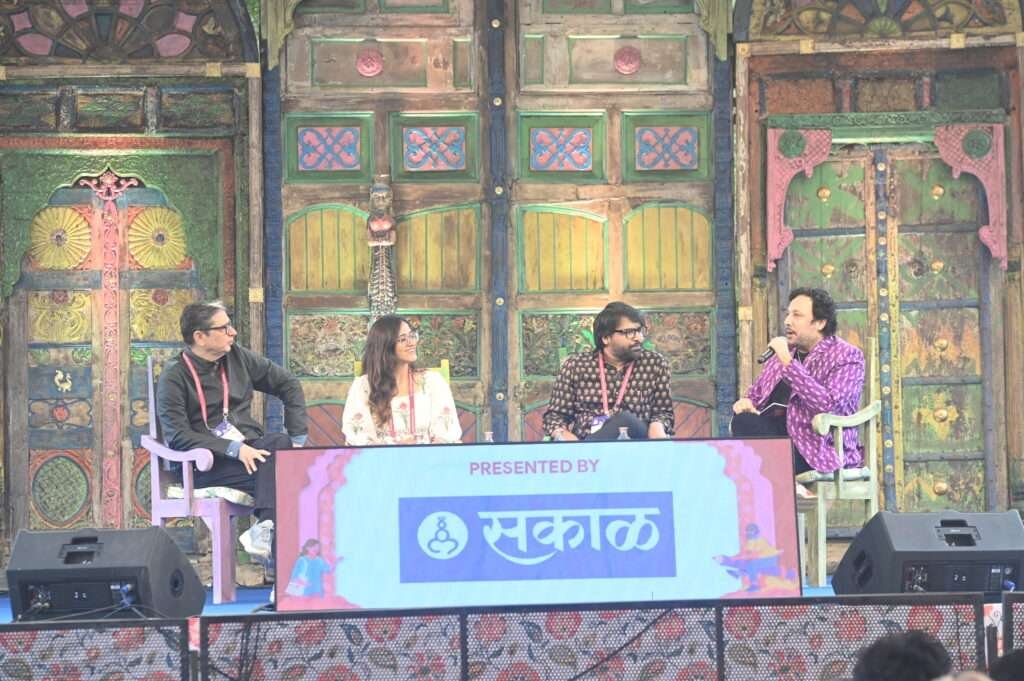
Contemporary society came into focus in Gen Z, the Millennials and Mummyji, where Anurag Minus Verma, Santosh Desai, and Ria Chopra discussed digital culture, identity formation, and shifting family dynamics with Chirag Thakkar.
Medicine and narrative responsibility emerged in a session featuring Rachel Clarke, who spoke with Ambarish Satwik about The Story of a Heart. Reflecting on the journey of a heart transplant between two nine-year-old children, Clarke addressed empathy, loss, and the ethical responsibility of storytelling.
Climate and sustainability framed another key discussion with Prem Shankar Jha, Avyanna Mehta, and Mridul Ramesh, examining India’s energy transition and the challenges of balancing growth with environmental responsibility.
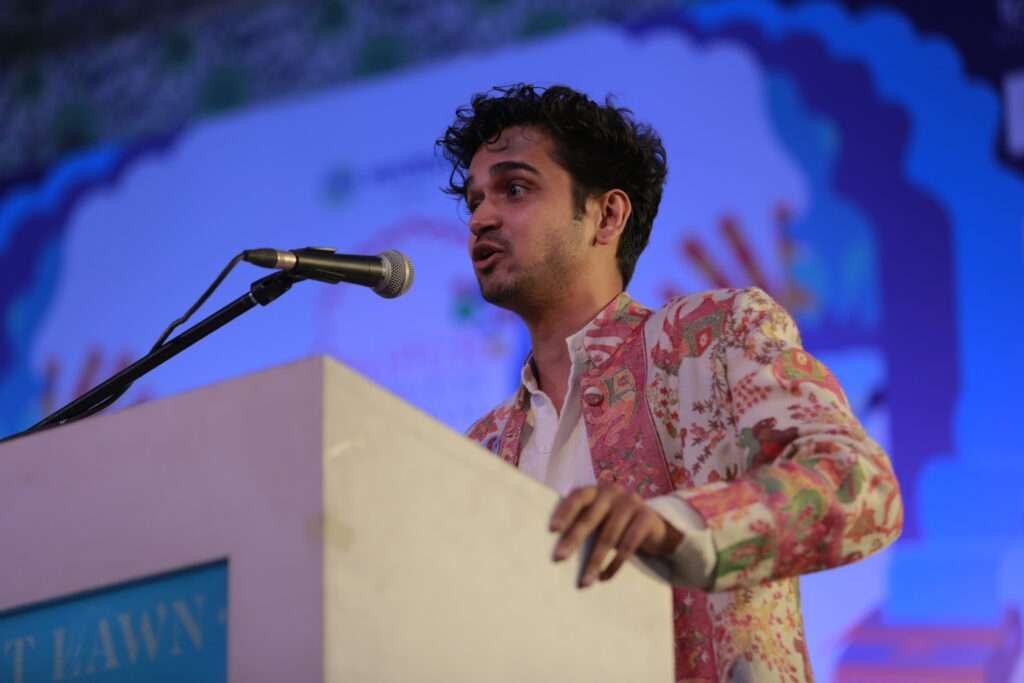
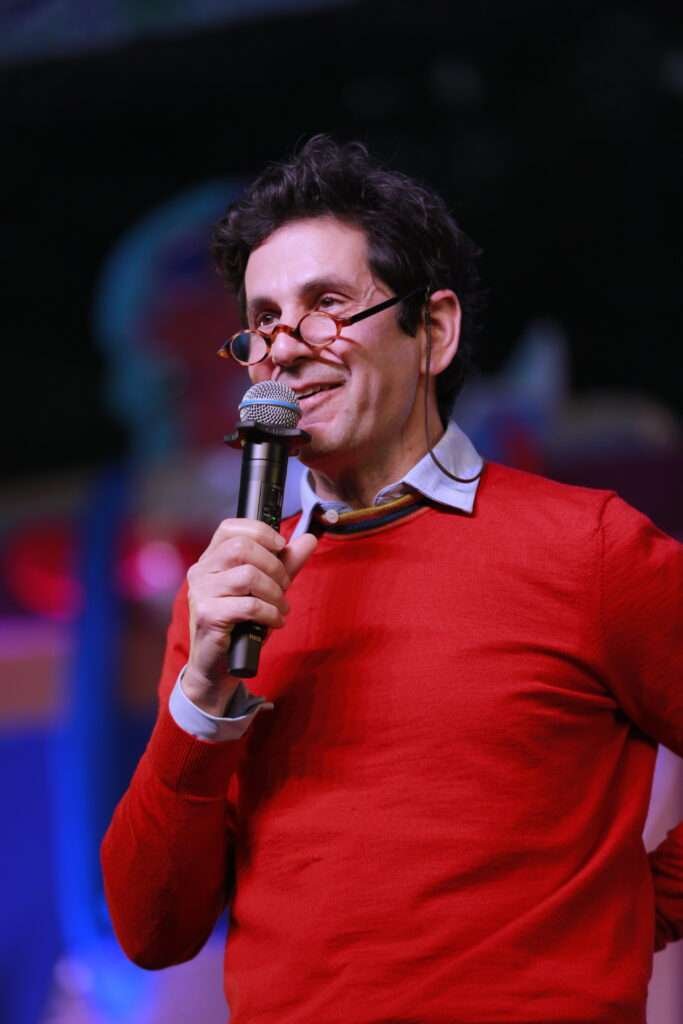
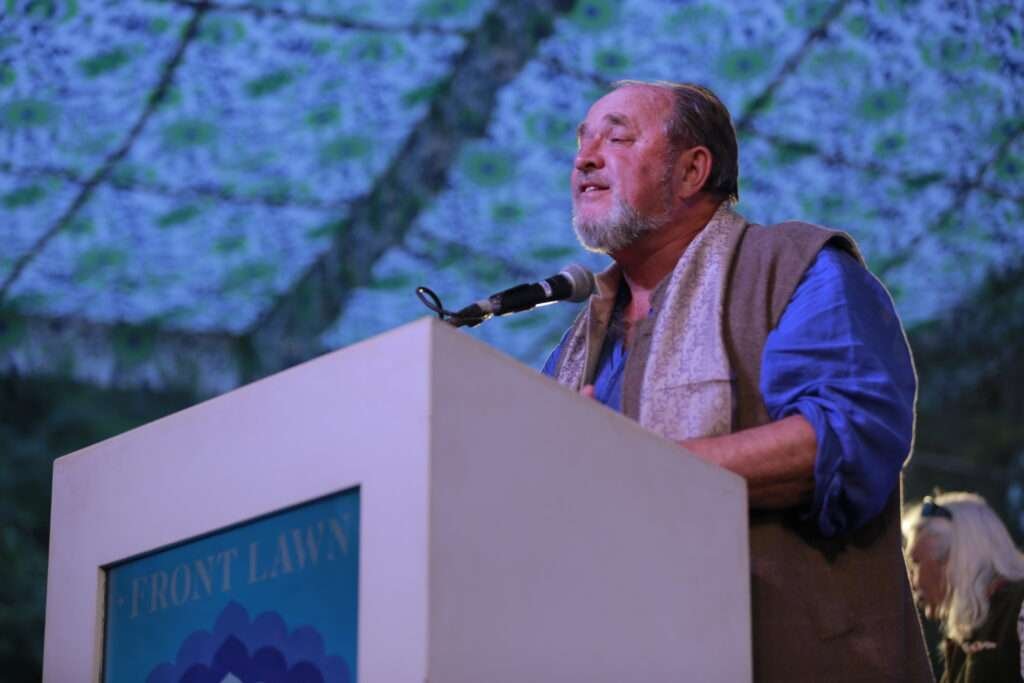
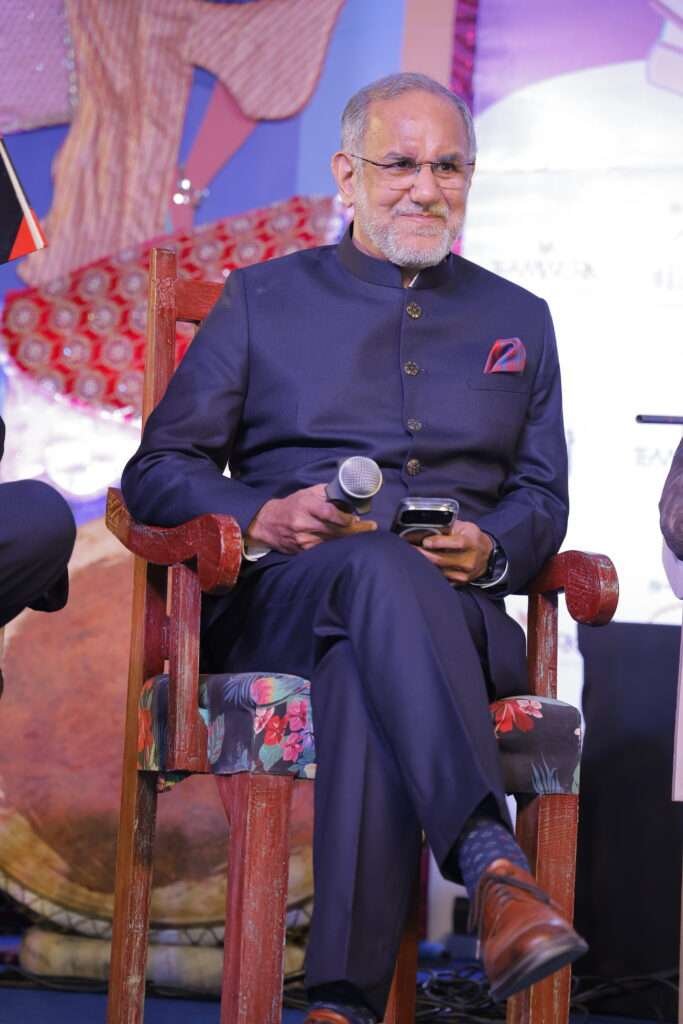
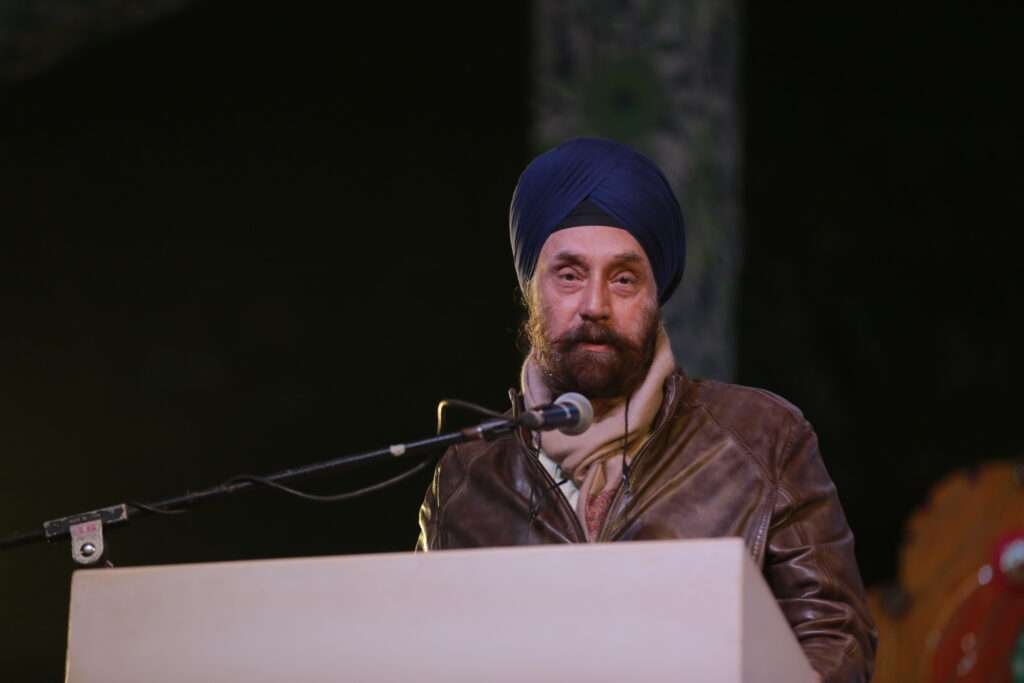
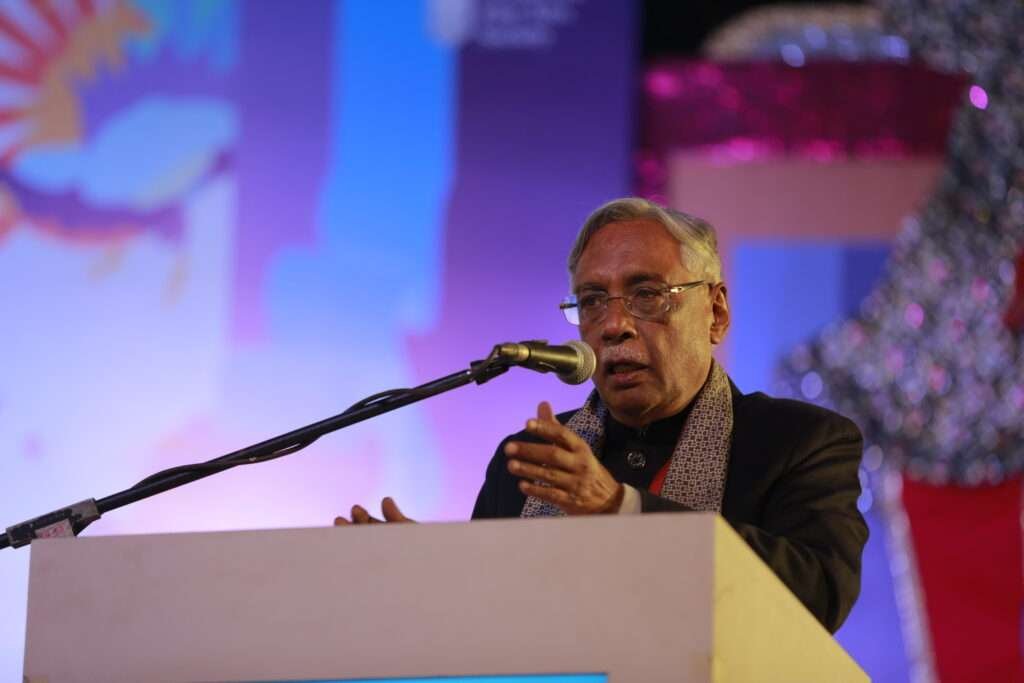
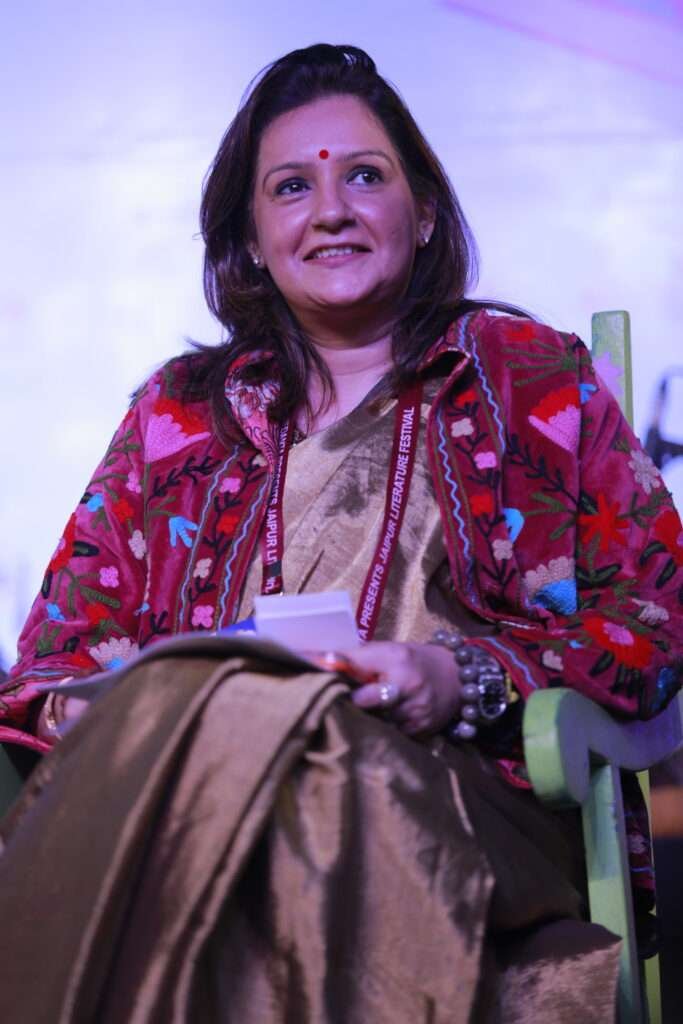
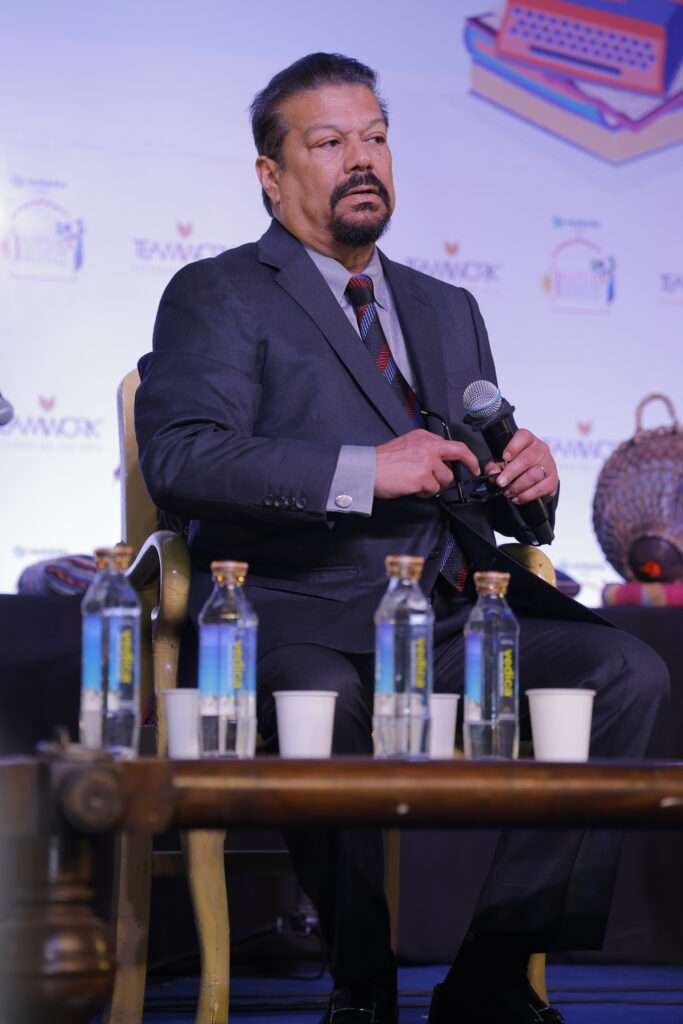
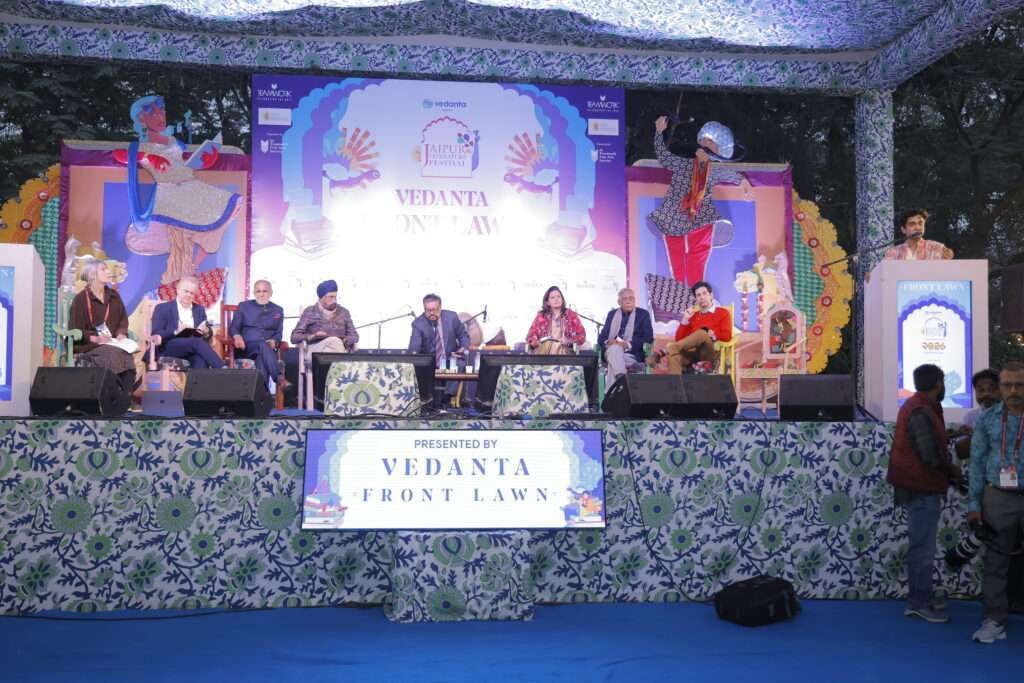
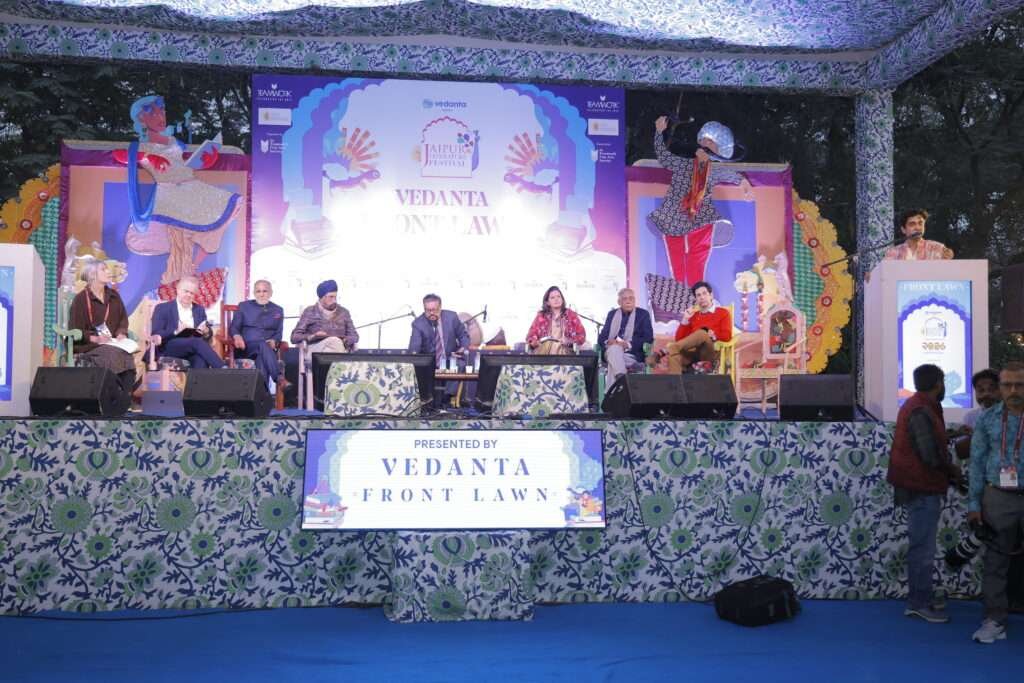
The Festival closed with its Closing Debate, Freedom of Speech Is a Dangerous Idea, moderated by Vir Sanghvi. Featuring Ian Hislop, Pavan Varma, Alice Oswald, Anish Gawande, Navtej Sarna, Priyanka Chaturvedi, Navdeep Suri, and Fara Dabhiowala, the debate interrogated free expression through the lens of power, privilege, dissent, and accountability.
As the nineteenth edition of the Jaipur Literature Festival came to a close, the final day distilled its enduring ethos—a commitment to plurality, rigorous dialogue, and the belief that stories remain central to how societies understand themselves.

