

Kesariya by Urvashi Singh Khimsar Unveiled in Delhi
A conversation on Rathore heritage brings together voices from literature, design, and cultural storytelling
An evening devoted to heritage and cultural reflection unfolded at One Ambawatta, where Kesariya by Urvashi Singh Khimsar was introduced to Delhi’s literary and cultural circle. Hosted at Potions: Cocktail Theatre within the venue, the gathering brought together historians, designers, and storytellers for a thoughtful discussion on the legacy of the Rathores and its continued relevance in contemporary culture.
The conversation, moderated by Indra Shekhar Singh, featured designer Raghavendra Rathore, cultural storyteller Suhavini Singh, historian Gajendra Singh Khimsar, and the author herself. The panel explored themes of lineage, identity, and the ways Rajput history continues to shape creative expression across literature, design, and digital storytelling.

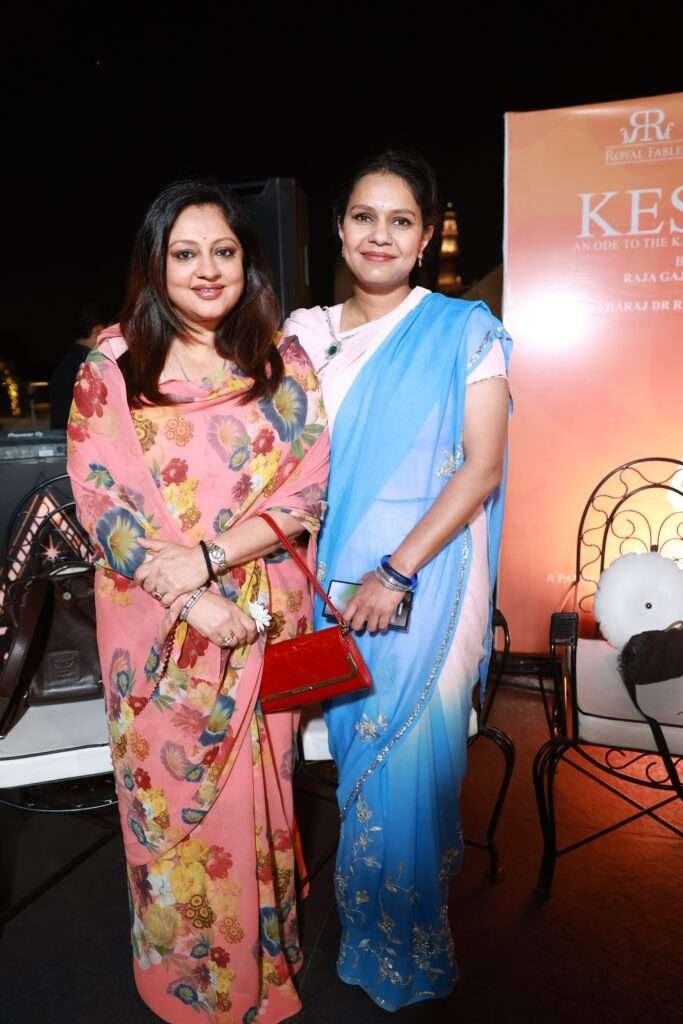
Speaking about the origins of the book, Urvashi Singh Khimsar explained that Kesariya emerged from her desire to chronicle a lineage whose narratives largely remained within family records. Drawing upon personal manuscripts and archival material from the Karamsot Rathores of Kheenvsar, the book revisits centuries of Rajputana history while reflecting on its relevance in the present. As a twentieth-generation descendant of Rao Karamsiji, she described the writing process as both an intimate exploration of family memory and a journey through history.
Designer Raghavendra Rathore reflected on how heritage continues to influence artistic practice. Known for taking the Jodhpuri bandhgala and breeches to international audiences through his design house, he spoke about the lasting impact of Rajput aesthetics—rooted in dignity, craftsmanship, and tradition—on contemporary design. “Heritage is not static,” he noted. “It evolves through the ways we reinterpret it in modern life.”
For Suhavini Singh, whose platform India Cultural Hub has emerged as a vibrant digital space for cultural narratives, the discussion underscored the importance of connecting historical stories with younger audiences. She emphasised that heritage should be experienced as a living narrative rather than a distant chapter of the past.
The evening also saw the ceremonial unveiling of the book by Sahil Baweja, who welcomed guests and spoke about the need for spaces that encourage thoughtful cultural exchange in the city.
The event concluded with a book signing session with the author, followed by conversations over cocktails. Among those present were Raghavendra Rathore, Suhavini Singh, Indra Shekhar Singh, and Nandini Singh, along with members of Delhi’s literary and cultural community—making it an evening that honoured history, heritage, and the enduring spirit of Rajputana.

