

Day 3 – 17 January 2026
Stories, Memory, and the Inner Life of Ideas
Day 3 at the Jaipur Literature Festival 2026 unfolded as a deeply reflective chapter of the Festival, turning attention toward the inspirations that shape stories, identities, and lived histories. Set against the calm geometry of Hotel Clarks Amer, the day brought together literature, contemporary society, food, fiction, and conflict—conversations that moved fluidly between the personal and the political, the remembered and the imagined.
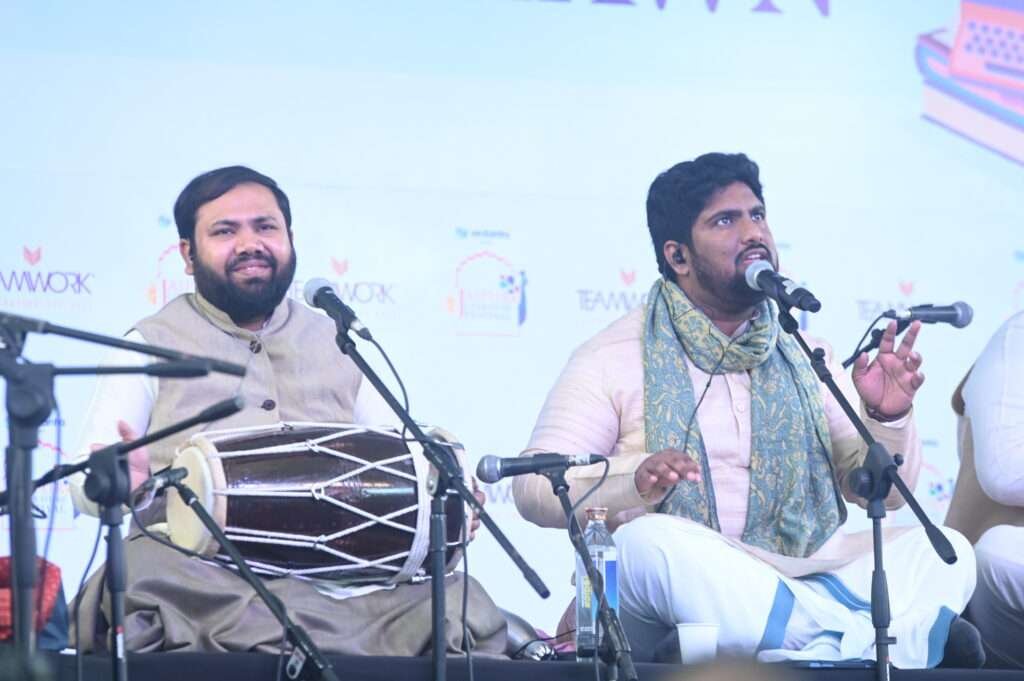
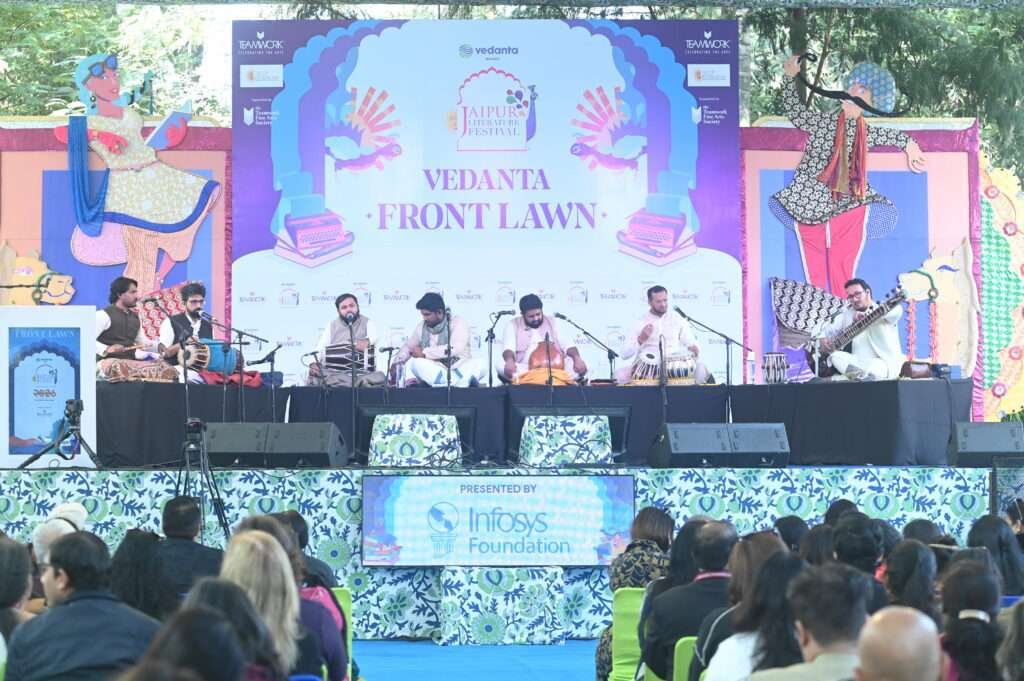
The morning began with a shift in energy. TĀL FRY’s percussion-led performance fused Carnatic and Hindustani classical traditions into a rhythmic soundscape that felt both grounded and kinetic, setting an alert, attentive mood for the sessions that followed.
Literary inquiry took centre stage early in the day with Where Does Fiction Come From, a session that brought together Tash Aw, Percival Everett (joining virtually), Kiran Desai, Esther Freud, and Richard Flanagan in conversation with Anuradha Roy. The discussion examined the porous boundaries between life and fiction—how memory, research, and imagination intersect in the making of a novel. Reflecting on the act of writing itself, Richard Flanagan observed that fiction often begins as an attempt to answer questions that have no clear resolution, framing storytelling as both exploration and reckoning.
The echoes of the previous evening lingered, particularly from The Worlds of Wodehouse in Words and Music, where Stephen Fry, Hal Cazalet, and Simon Beck celebrated the enduring wit of P. G. Wodehouse. With a musical opening by Cazalet, accompanied by Beck on the piano, the session explored Wodehouse’s keen observation of class, manners, and English social life. Fry traced the writer’s early influences—magazines, cricket, and domestic service—revealing how humour became a subtle instrument of social critique.
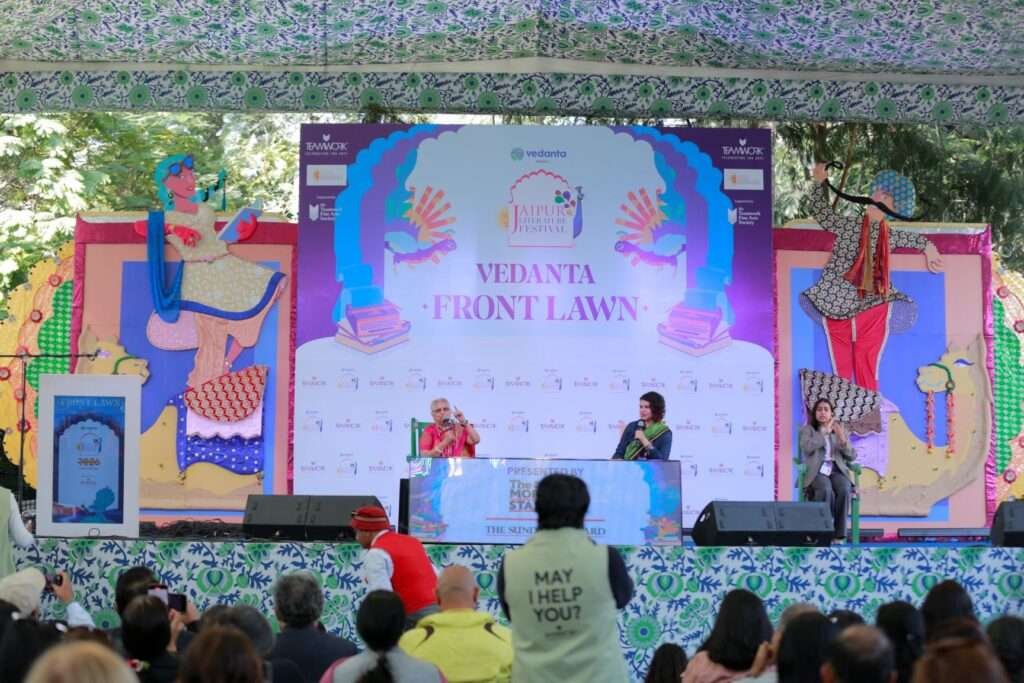
History and inheritance emerged powerfully in The Magic of the Lost Earrings, where Sudha Murty, in conversation with Mandira Nayar, spoke about writing for younger generations and finding ways to introduce complex histories such as Partition through accessible narratives. Drawing from family memories and archival research, Murty stressed the continuity between past and future, underscoring the importance of historical awareness in shaping ethical citizenship.
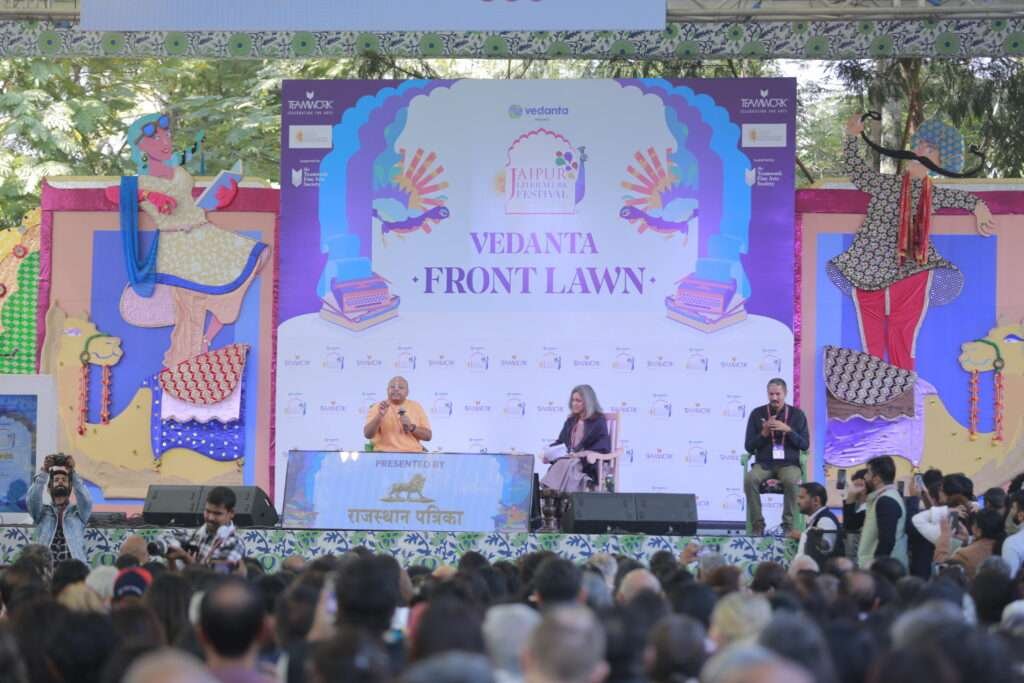
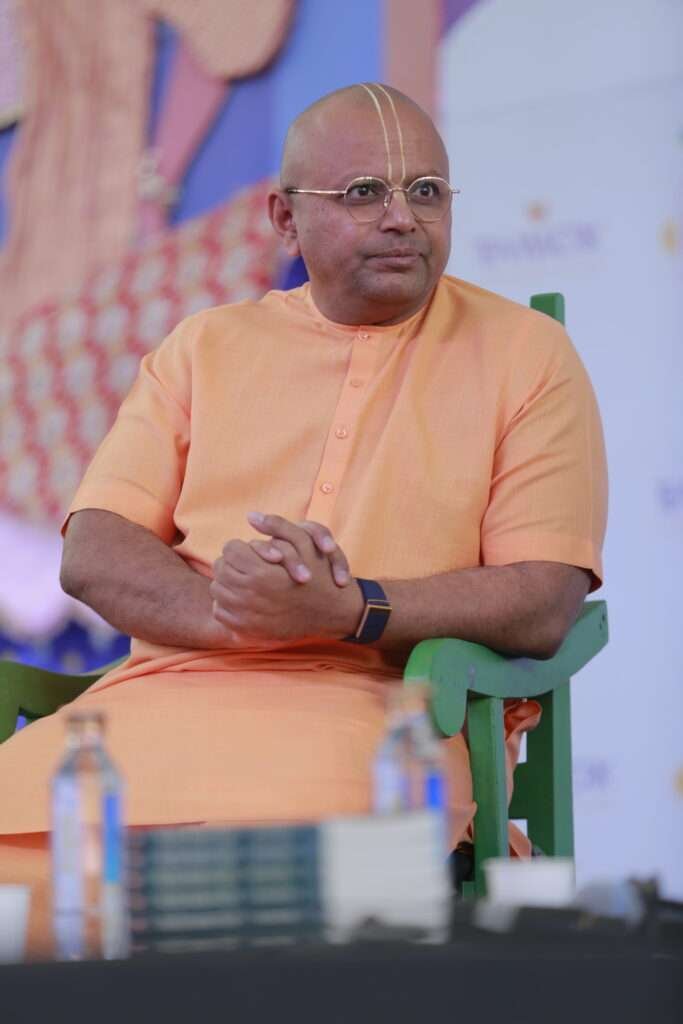
Questions of purpose and inner clarity were explored in You Can Have It All: Unlock the Secrets to a Great Life, with Gaur Gopal Das in conversation with Poulomi Chatterjee. The session focused on self-reflection, responsibility, and the idea that personal narratives—when understood honestly—can become tools for growth rather than limitation.
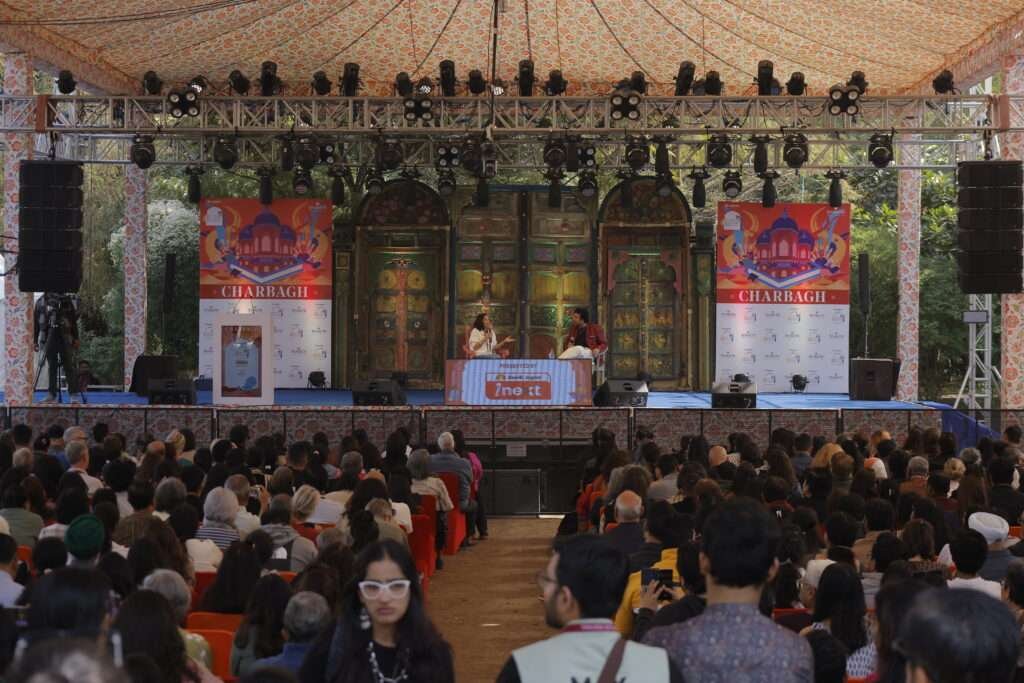
Historical fiction took a sharper turn in The Chola Tigers: Avengers of Somnath, where Amish, speaking with Viveka Kumari, discussed the moral and political undercurrents of his latest work. Addressing his decision to drop his surname, Amish spoke openly about caste as a systemic constraint on equality, invoking Dr. B.R. Ambedkar’s vision of social reform and urging a re-examination of inherited hierarchies.
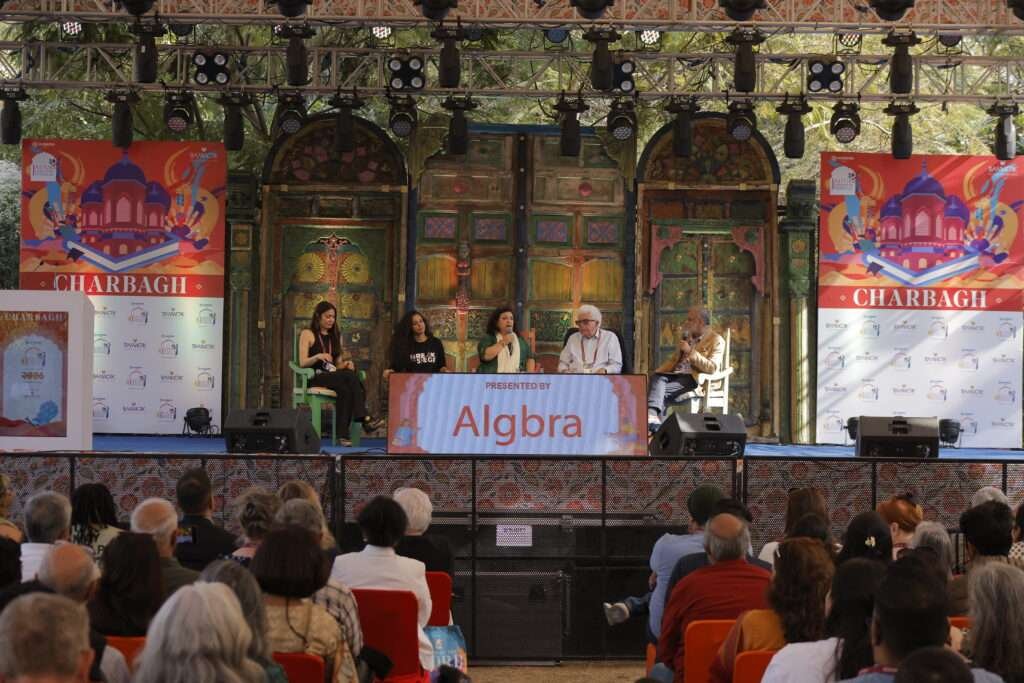
The Festival did not shy away from urgent global realities. The Gaza Genocide brought together Avi Shlaim, Noa Avishag Schnall, Ramita Navai, and Lena Khalaf Tuffaha in conversation with Navdeep Suri. Combining historical analysis, frontline journalism, and poetry, the session documented life under occupation and the human cost of prolonged conflict. Tuffaha’s reading of her poem Running Order offered a stark, intimate portrayal of displacement, while journalists Schnall and Navai grounded the discussion in lived reportage.
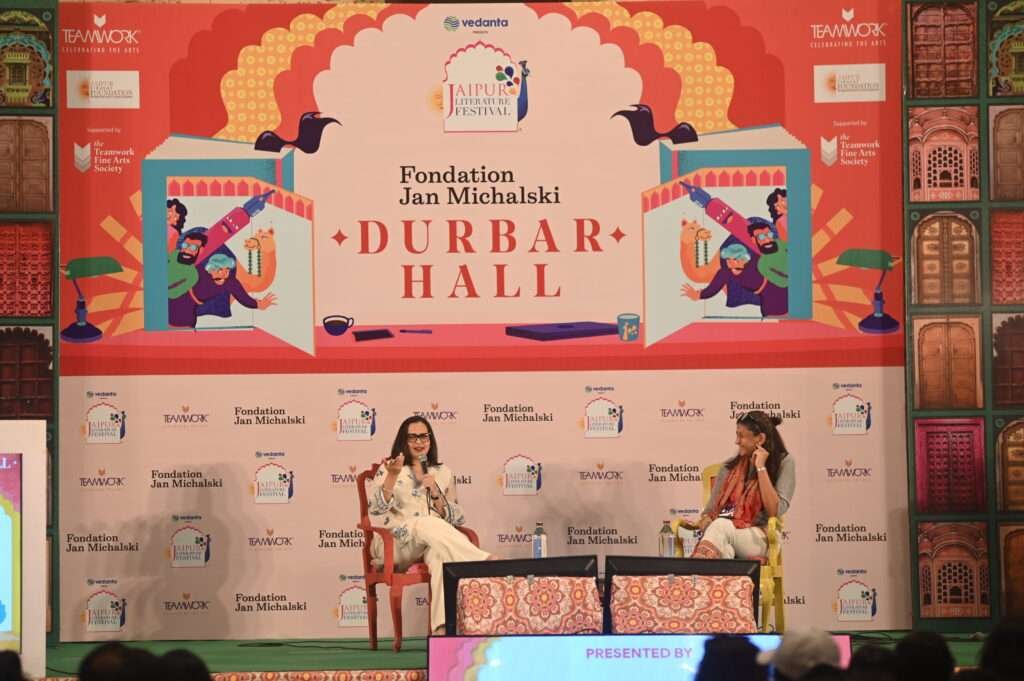
Food, memory, and cultural continuity offered a quieter but equally resonant thread. In The Wisdom of Indian Food, Rujuta Diwekar and Namita Devidayal spoke about returning to traditional culinary practices, emphasising nourishment, sustainability, and mindful living over performative wellness. This conversation extended into Ammi’s Kitchen: Heirloom Recipes from Rampur, where Pernia Qureshi, in conversation with Tarana Husain Khan, traced Rampur’s culinary legacy—shaped by Persian influence, Mughal migration, and a philosophy of slow, nuanced cooking.
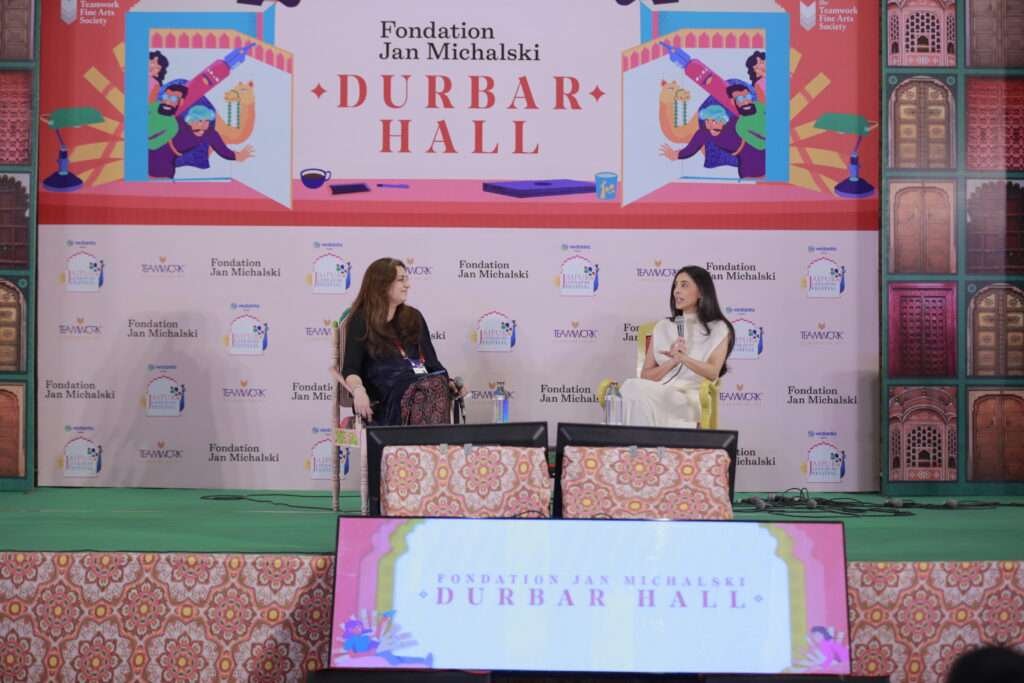
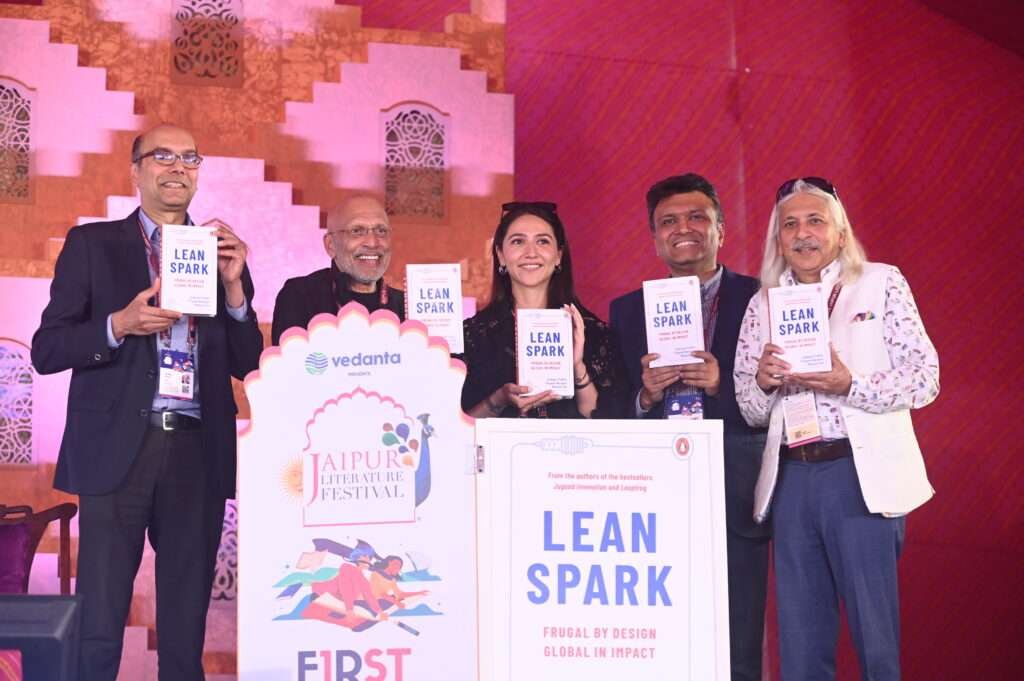
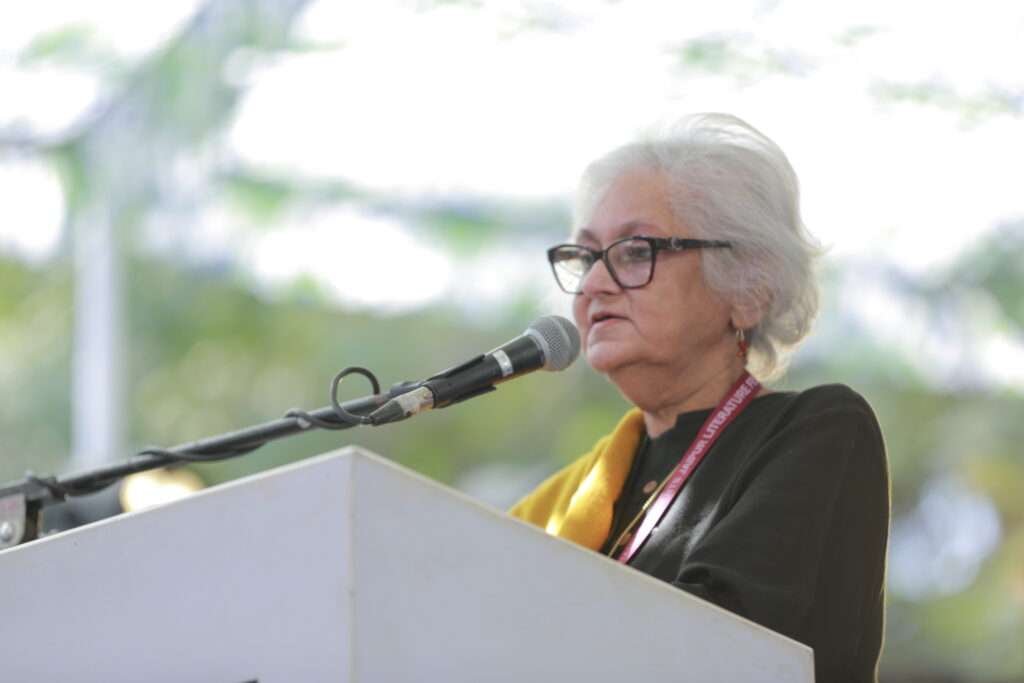
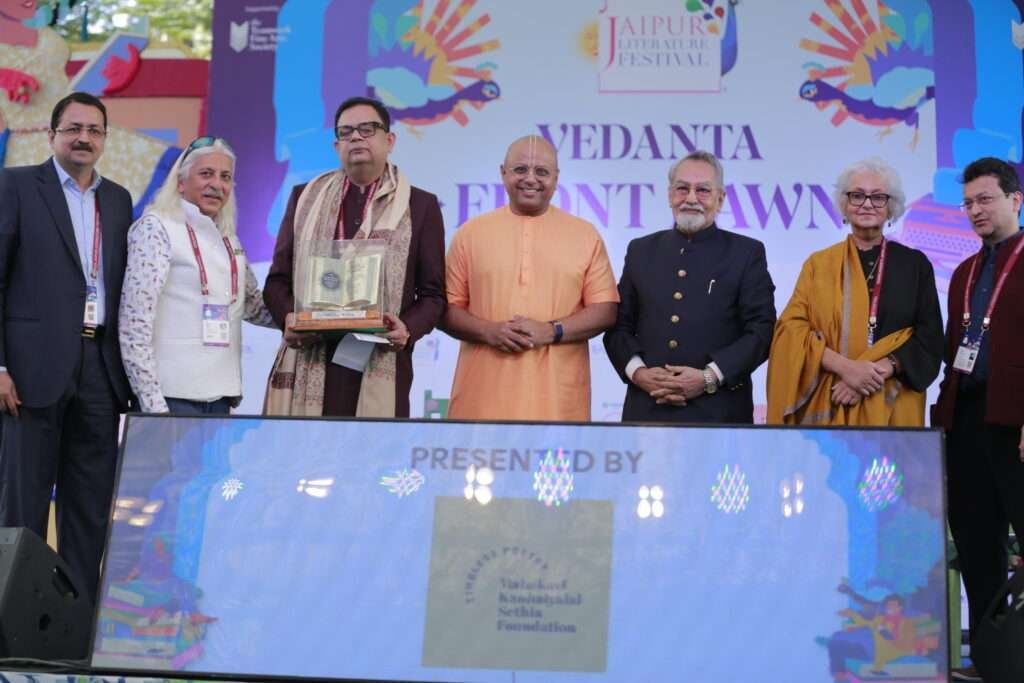
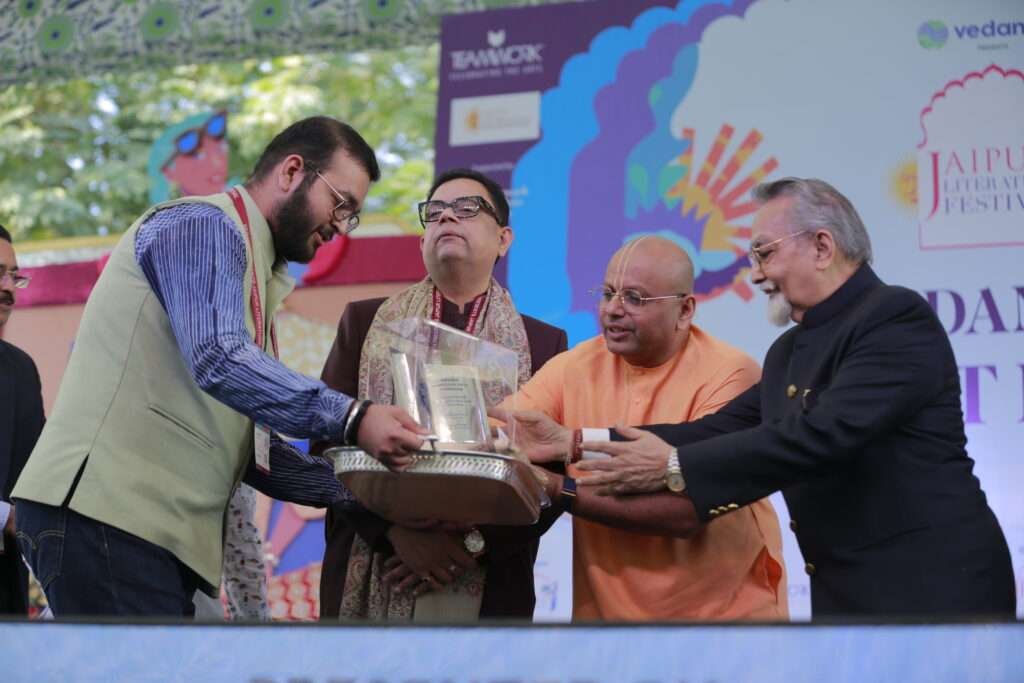
The day also marked the presentation of the Mahakavi Kanhaiyalal Sethia Award to distinguished Hindi poet Yatindra Mishra, alongside the launch of a new edition of Pankh Diye Aakash Na Doge. Cultural announcements followed, including the dates for the Jaigarh Heritage Festival 2026, reinforcing the Festival’s role as a catalyst for year-round cultural engagement.
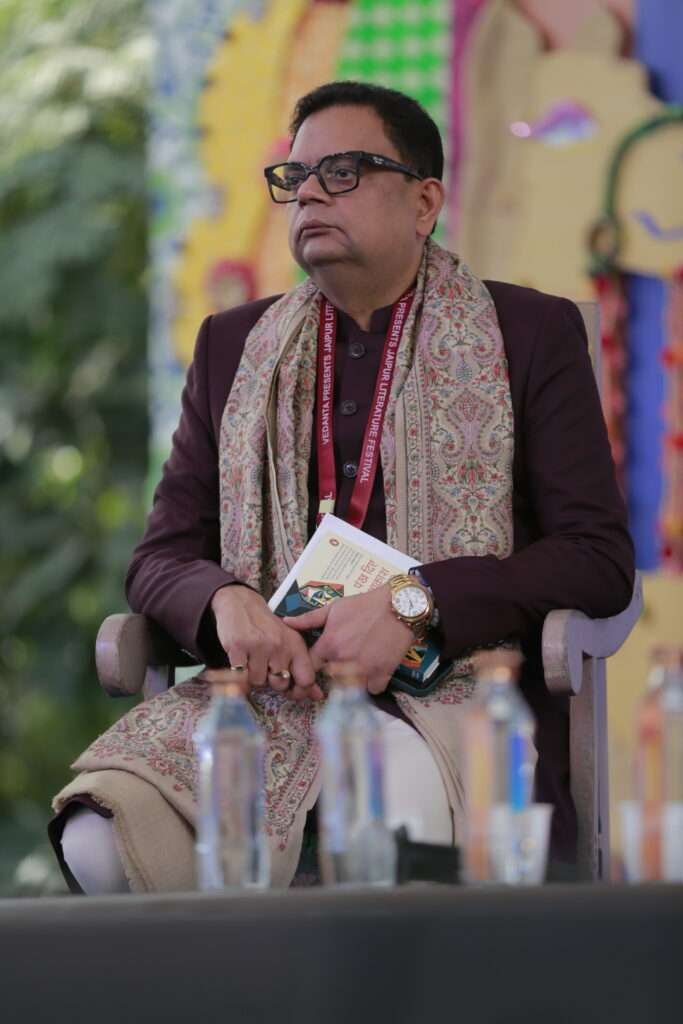
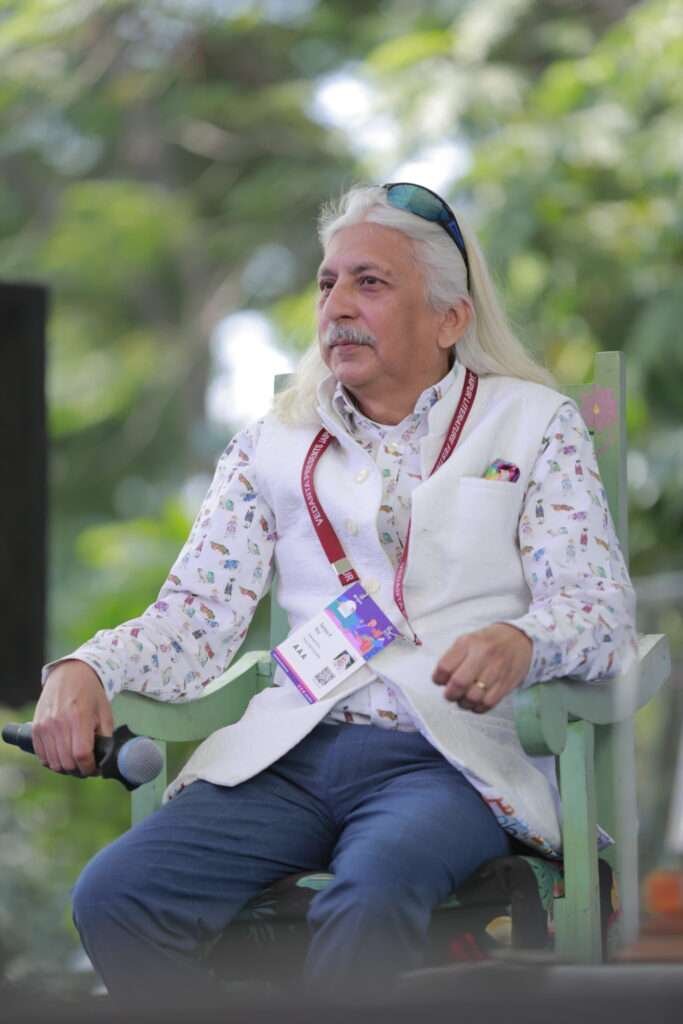
By the close of Day 3, the Jaipur Literature Festival 2026 had reaffirmed its ability to hold multiplicity—where fiction conversed with history, food with memory, and personal narratives with global realities—without forcing resolution. The conversations lingered, not as conclusions, but as invitations to think more deeply.

