Retropoplifestyle

GRAFF India

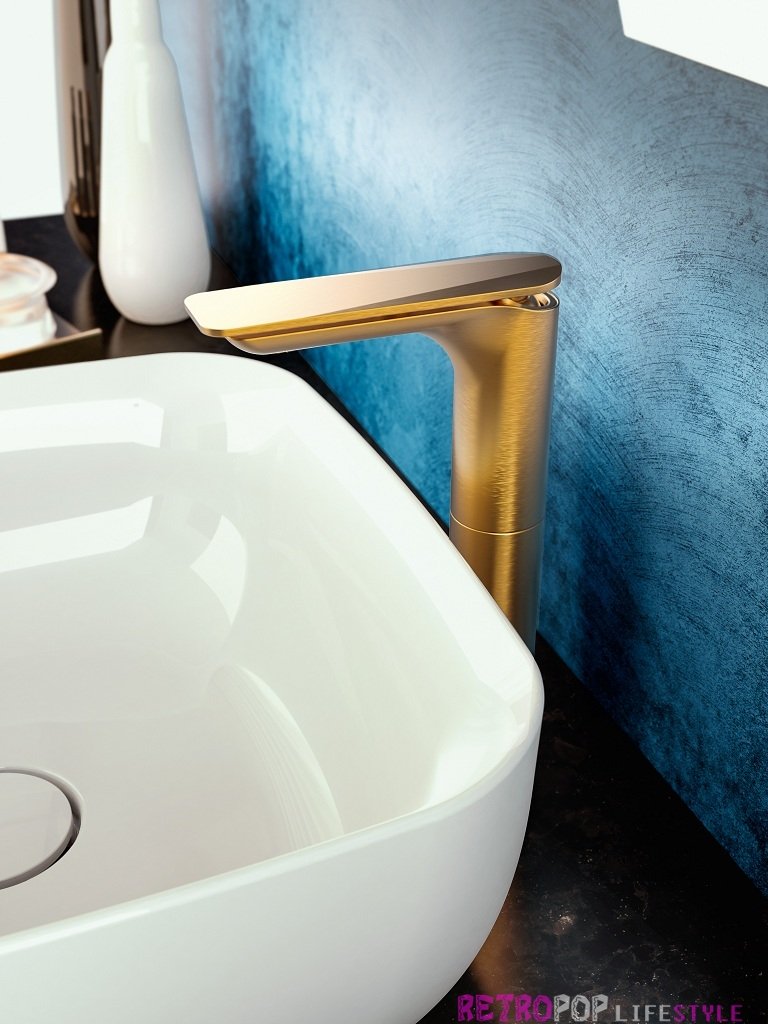
Sento’s Impressive Levers and Finishes Designs

GRAFF’s successful collection Sento comes with two new levers and a total of 19 finishes. Originally designed by Daniele Ruzza and Silvana Angeletti, the collection embodies the characteristics of synthesis, by reducing ornamentation, and leaving space to a sturdy visual impact.

About Sento’s additions in 2 new variants of the initial creation:

 One with slim lines running down the lever and the second choice with decreasing edges on the highest art of the lever. The two levers are solid and light at the same time as a result of their intelligent design; the spout was crafted to permit water to emanate centrally whereas the slim angles offer the tap a sense of openness.

HIGHLIGHTS

The new levers are available with all the series items: from several washbasin models to bathtub and shower elements, for wall-mounted, deck -mounted and floor-mounted solutions. The collection includes also a wide range of precious accessories for the bathroom and shower area both practical and aesthetically pleasing. All articles are available in an astonishing range of 19 finishes, including the newest Gunmetal Distressed and OR’osa PVD finishes. The sophisticated look of Gunmetal Distressed emulates a hammered, stone surface with a warm dark grey tone both contemporary and stylish. The finish is obtained through a galvanic plating process, completed with an industrial waxing procedure. This soft-waxed look can be maintained by Sporadical application of wax manually.OR’osa™ PVD is distinguished by its rose gold saturation and glossy surface, enhancing fixtures with a luxurious radiancy. This finish features an innovative surface coating process (Physical Vapor Deposition), which allows it to obtain a very high level of surface hardness, further an unmatched resistance to atmospherical agents and house detergents.

www.graff-designs.com

Price: On request

Love sees no boundaries

Dating trends in the times of COVID-19

At a time when people are avoiding physical contact, love birds are busy dreaming about their dates in a world post COVID-19.

To explore the topic further QuackQuack a leading dating app in India conducted a survey across two thousand of their newly joined users to find out the dating trends during the times of COVID-19. The survey was conducted across major Indian cities like Delhi NCR, Mumbai, Bangalore, Hyderabad, Pune & others.

  1. Coffee over Intimacy
    Lockdown has made people think that having sound communication & compatibility in a relationship is much more important than just intimacy. This is the very reason why 76% of the total community has chosen to chat over coffee as their primary option. Women alternatively while wanting to get to know their date, about 32% of them chose lunch dates as their secondary choice while Men on the other hand are a bit adventurous and 25% of them have chosen long drives as their alternate choice. It was surprising to see that a miniscule 2% of women would like to get intimate during their first encounter whereas 10% of Men are okay with intimacy in the first go itself.
  2. Women are more inclined towards commitment
    Women seem to be seeking long-term or serious relationships as they are willing to give multiple chances to the same person that they are dating. About 71% of women have said that they will stop using dating apps if they get serious for the relationship. Men on the other hand are keeping their options open as 53% of them would continue to use dating apps despite dating someone else.
  3. Faking, self praise & the other one – A big no no.
    Honesty & trust are the two pillars on which a relationship is built. Incorrectly describing themselves on their profiles, appearance, inaccurate details or even likings are a big no-no for the women community. For 50% of women inaccurate profiles are the biggest turn-off. Also, for women, surprisingly only 10% of them would have a problem if their counterpart is talking about their ex girlfriend on a date. Men on the other hand, about 50% of would be turned off on a date if their counterpart was too self-centered or boastful and didn’t take interest in the date.

Though, the villain of the love story is the mobile phone itself! People feel that the most annoying or the biggest turn off on a date would be when someone is constantly busy on their smartphones. It’s a big no-no for 65% of the community!

  1. Men like to stay in touch!
    Nobody likes to have a bad experience on a date and the bigger problem is dealing with a bad first date. While Women are pretty unanimous where 41% of them would like to call it quits straight after a failed date, Men on the other hand are willing to go that extra mile and 44% of them would like to remain as friends with their counterpart even after they had a bad first date.

Overall, it seems that the community is again moving back to the mantra of honesty & trust and most of them are seeking long-term relationships rather than short-terms flashes.

Smithsonian National Museum of Natural History

Seven Ways to Learn About Natural History from Home

  The Smithsonian National Museum of Natural History in Washington, DC is a place of awe and wonder, and it preserves an irreplaceable record of Earth’s ever-changing physical, biological, and cultural diversity. The National Museum of Natural History offers digital resources for students, teachers, parents and science-enthusiasts alike. Here are seven ways to deepen your understanding of the world around you while social distancing.

  Browse the digital collections

The Smithsonian released millions of images into the public domain last month, including 2.8 million artifacts and specimens from the National Museum of Natural History. You can remix, download and use these images to help learn about the natural world without leaving your house. Be sure to check out the thousands of objects also available to view in 3D.

Watch The Doctor Is In”

  Watch Smithsonian dino-celebrity Dr. Hans Sues talk about paleontology in the YouTube series “Doctor Is In.” Sues answers a variety of audience questions, including one from Guns N’ Roses rocker Slash, and covers topics ranging from cats to government conspiracies. Keep an eye out for season two coming soon with geologist Dr. Elizabeth Cottrell.

Take a virtual tour

  Tour the museum’s permanent, temporary and past exhibitions — including “Outbreak: Epidemics in a Connected World,” which shows how epidemics spread across the world. If you want to see what’s behind the scenes, check out the Museum Support Center tour. You can see whale bones, antlers, gorilla brains, bats and more in the museum’s collections.

Visit the Ocean Portal

  Smithsonian’s Ocean Portal is the perfect place to visit for in-depth information about anything sea-related. Explore the anatomy of a penguin, shark conservation and topics like climate change and hurricanes. It’s a great resource for students and teachers who are transitioning to online learning, or for anyone interested in learning more about the ocean.

Explore human origins

  Visit the Smithsonian’s Human Origins website to explore what it means to be human and learn more about how we evolved. The site has lesson plans for teachers, 3D artifacts, videos and research from scientists at the museum.

Learn from Smithsonian scientists

  Bring Smithsonian scientists to your virtual classroom with Science How. Choose from 50 archived videos of scientists discussing topics ranging from butterfly adaptations to the natural history of cell phones. The videos include resources for teachers divided into grade levels and worksheets for students.

Use the Smithsonian Learning Lab

  Smithsonian’s new Learning Lab is designed for distance learning to help educators while schools are closed. It allows teachers and students to explore natural history online, using collections items, videos, podcasts and text. Educators can search topics related to their curricula or aggregate their own collection of digital items.

Smithsonian Institution

  Since its founding in 1846, the Smithsonian Institution has been committed to inspiring generations through knowledge and discovery. It is the world’s largest museum, education and research complex, consisting of 19 museums, the National Zoological Park and nine research facilities. There are more than 6,300 Smithsonian employees and 6,900 volunteers. There were more than 22 million visits to the Smithsonian in 2019. The total number of objects, works of art and specimens at the Smithsonian is estimated at nearly 155 million, of which nearly 146 million are scientific specimens at the National Museum of Natural History. www.si.edu and on Twitter (@Smithsonian).

Source: Smithsonian Natural History Museum

Father’s Day Special

Timeless Jewellery 

Father’s Day is quite different this year. Dads are using their work-from-home time to build closer relationships with their kids while building pillow forts. Other dads, even though they’re physically away from their children, are staying close by learning how to Facetime. Let  Jewellery Designer Archana Aggarwal help you celebrate and thank dad for accepting new challenges and adding different roles to his daily life.

You can Thank your father, grandfather and all the other wonderful men in your lives for being an example of steadfast strength and deep devotion today and always with a great Father’s Day gift from Archana Aggarwal.

QUOTE

Archana Aggarwal.

“The gifting option of men’s jewellery is unmatched. Whether you’re looking for a masculine, classic style for a grandfather’s gift; or sleek and modern jewelry for dad, we have the perfect Father’s Day gifts you’re looking for your super dad.Every piece I make is a style statement. The label is a celebration of today’s Dad who is in the midst of all crisis considering the Pandemic yet he is fighting it bravely on all fronts”

Price: On request

Showroom: Ambawatta One, H 5/3-4, Kalka Das Marg, Mehrauli, New Delhi 110030

Let’s Talk Plasma, blood company pleads to Indian government

‘Encourage recovered COVID patients to donate plasma, support with infrastructure’

 With over 3.3 lakh COVID-19 positive cases, an average addition of 11,000 cases per day, it’s time for India to allow healthcare solutions for convalescent plasma therapy. That’s the message a few doctors in Maharashtra wish to share with the nation, as the extort state and central governments to help with necessary infrastructure and support for it.

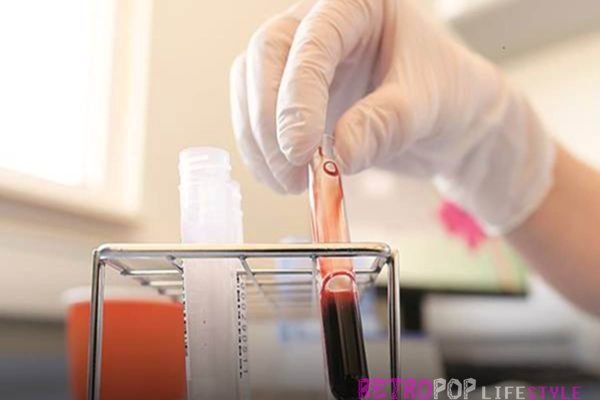
Blood plasma, a yellow viscose fluid, carries many essential nutrients, hormones and proteins across the body, aside from salt, water and enzymes. That’s why plasma aids in treatment for several serious health problems. It includes antibodies, clotting factors, and proteins like albumin and fibrinogen, which can be separated and used as therapies for those suffering from trauma, shock, burns, immune deficiency disorders (including HIV) and rare chronic conditions.

Right now, COVID patients are receiving symptomatic treatments for dehydration, flu and breathing problems. Drugs to treat Ebola, flu, malaria, HIV and SARS infections have been used to help alleviate medical issues for these patients. However, convalescent plasma therapy, which involves injecting blood plasma from recovered patients to others, can be the way out for the thousands who are struggling to find hospital beds.

“Convalescent Plasma Therapy has had a positive turn for patients, as it provides them with passive immunity until their immune systems are ready to take up the load. However, the ICMR and Indian government are still going slow on recognising the treatment for large-scale use”, said Dr Vinodkumar Bagdu, from Bagdu Health Services Pvt Ltd. His company distils blood plasma through a blood component separation process, from blood collected at blood banks.

Convalescent Plasma therapy revolves around collecting convalescent plasma or the liquid part of one’s blood from patients who’ve recovered from COVID-19. Their blood contains specific IgM, IgG antibodies for the COVID-19 virus, which were developed by the patients’ immune system. These patients, who now hold a clean bill of health, would help those fighting against the disease and prepare their immunity.

“Plasma collected from cured COVID-19 patients has been found to carry antibodies against the coronavirus disease. This will help high-risk patients or those impacted by comorbidities recover at a much faster pace”, said Dr Jayashree Todkar, Director, Department of Laparoscopic & Bariatric Surgery at the Apollo Spectra Hospitals.

Hospitals in Maharashtra, Uttar Pradesh and Madhya Pradesh have begun temporary treatments to help patients recover from plasma therapy. Kasturba hospital, Nair hospital and KEM hospital have been approved as sites for Plasma Therapy by the Municipal Corporation of Greater Mumbai. However, a long term course of action requires creating monoclonal antibodies specific for the COVID-19 virus. Dr Bagdu said we need a more abundant supply of artificial recombinant antibodies to treat everyone, as few patients come forward to donate their plasma.

The ICMR had begun discussions for clinical trials for plasma transfusions from recovered patients as early as March 25. The Delhi government had also announced that five critically ill COVID-19 patients have recovered from the disease with this treatment. However, a full-scale use of plasma therapy is still far from the horizon.

In India, blood plasma is likened to a body part, and there is very little awareness about donating the fluid for other patients. India currently imports 90 per cent of its total blood plasma needs. Fear, lack of knowledge, fewer blood banks and few plasma donors are significant challenges against this treatment.

Entrepreneur and social activist Prashant Karulkar has been championing the cause of promoting plasma therapy against COVID-19. “We need the government (and NACO) to spread the message about plasma donation in India as a possible way to combat against COVID-19. We’ve had more than 64000 patients who’ve recovered from the disease. With donations from these former patients, we’d fare better in this crisis. This is a case where we need to become Atmanirbhar”, said Karulkar.

“Blood banks, routine donation drives and pledges do help in procuring blood, but it’s far less than the demand at any point in time. In India, we have 2760 licensed banks though not all of them can fraction blood into plasma, platelets and red blood cells. While many recovered patients from the Tablighi Jamaat have donated their blood plasma, we need a lot more to help patients”, added Dr Bagdu.

“We need the government to provide infrastructural support as well in terms of more blood banks and plasma collection centres. We need quality support as well, like the US has been providing to its plasma collection centres.”

Dr Bagdu revealed that India was far from being self-sufficient in terms of the specific Human plasma proteins which can be extracted from blood plasma and the medicines that can be derived from it. He said, “Whole blood therapy leaves only 40% of plasma available for further medical use. In terms of meeting our country’s needs for plasma proteins, we can currently match 46% of our IVIG needs and 24% of our human albumin needs. For factor VIII, we meet 75% of our needs, though we are importing about 90% of this number.”

The Donear Group, using NEO TECH(R) technology in partnership with HEIQ Viroblocktested successfully against virus that causes COVID-19.

The 1st suiting brand in India to make anti-viral fabric which is 99.997% effective.

Recently, the Donear Group, using NEO TECH® technology have introduced and launched a breakthrough technology with anti-corona fabrics that shows its effects within minutes rather than hours!

  • The Donear Group, using NEO TECH® technology in partnership with HEIQ Viroblock tested successfully against the virus that causes COVID-19.

Here is a VIDEO on HOW the DONEAR GROUP, using NEO TECH® technology  has introduced the anti-viral fabric which is A GAME-CHANGER for the Indian textile industry, especially in the performance fabrics category.

In the Video, seen supporting the breakthrough product innovation in the textile industry to fight against the current pandemic is world renowned technologists, retail gurus, fashion designers and OTC stalwarts have voiced the need of this fabric,

  • Mr. Rajendra Agarwal, Managing Director, Donear Group
  • Mr. Carlo Centonze – CEO, HEiQ Group & SWISS TECHNOLOGY expert
  • Narendra K Ahmed – Renowned Bollywood Fashion Designer
  • Rocky S – Celebrity Fashion Designer
  • Priya Patil – Eminent celebrity stylist & entrepreneur.

Father’s Day Special

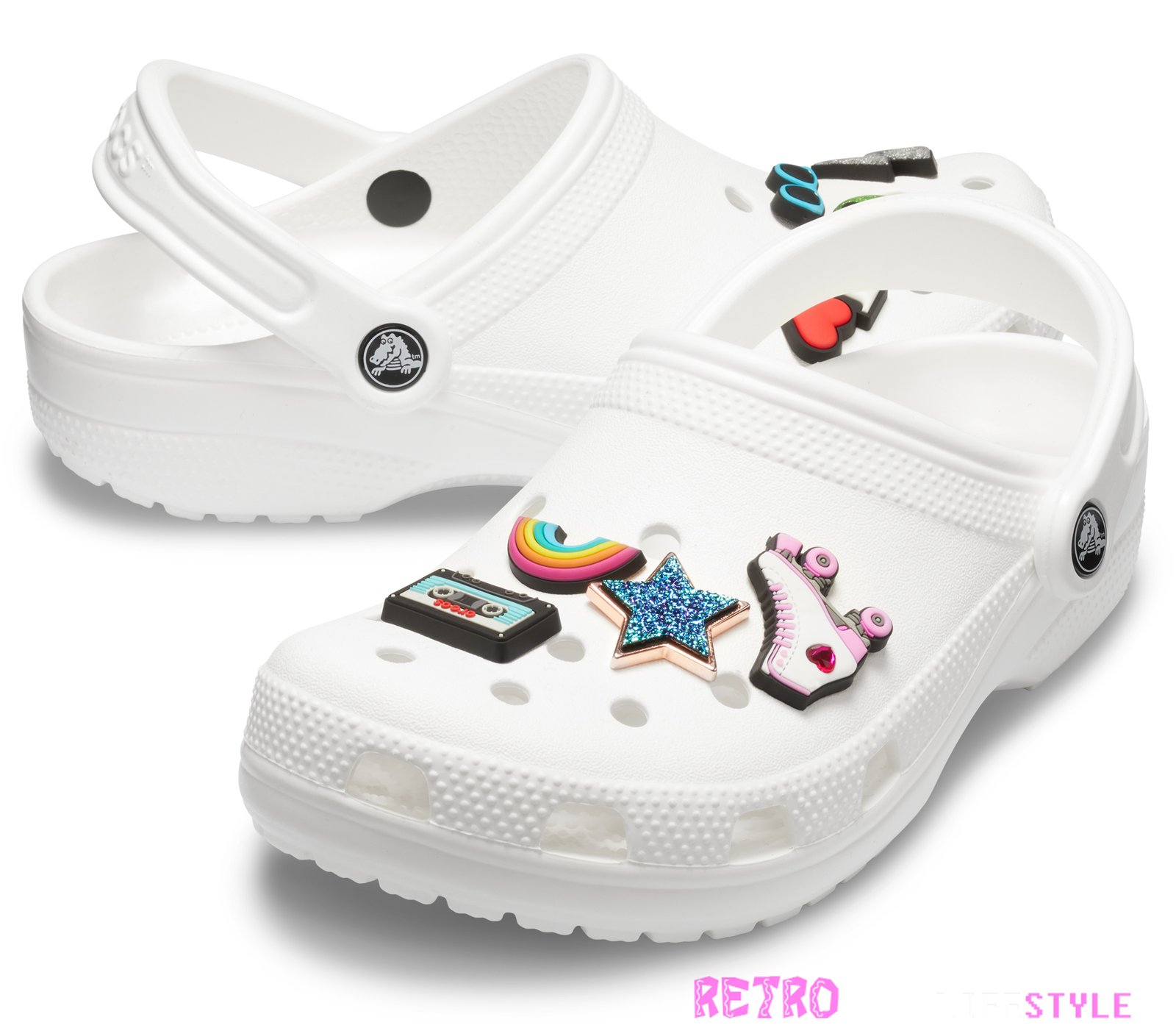
From guiding you on your first step to seeing you succeed, your father has been your constant support; now it is time to take care of his steps. This year celebrates his actions in a safe and hygienic way. With prevailing situations when sanitizing via cleaning is the new norm for everything in our day to day lives, Crocs keeps you and your family safe and fashionable with their footwear collection. So you can now customize your message with these Jibbitz™ charms and a pair of Crocs and share some love with your Dad.

Original, versatile and comfortable footwear from Crocs, designed with the lightweight Iconic Crocs Comfort™, curated using the proprietary material and legendary material Croslite foam cushioning, offering all day long comfort and support, is easy to wash and clean!

The Classic Clogs from the collection are incredibly light and fun to wear, water-friendly and buoyant; weighs only ounces, the Ventilation ports add breathability and help shed water and debris, thus easy to clean and quick to dry, pivoting heel straps for a more secure fit customizable with Jibbitz™ charms, provides the Iconic Crocs Comfort™: Lightweight Flexible, and 360-degree comfort

www.shopcrocs.in

A Resplendent Journey

  Resplendent Ceylon-Sustainability Initiatives

The portfolio of Resplendent Ceylon’s small luxury boutique hotels combine to form the Resplendent Journey – a collection of unique and carefully curated experiences that define Sri Lanka. These experiences delve into the culinary, natural, and cultural heritage of the island with fascinating narrative to showcase to guests what is truly Sri Lankan.
The national parks and forest reserves, the ocean, the heritage sites, the recipes, crafts and folklore, and above all the people who preserve with them centuries of history and heritage need to be protected and conserved. And as company that derives economic value from these assets, we are serious about our responsibility to leverage our pioneering corporate DNA to deliver meaningful sustainable outcomes.

“Business is a matter of human service” is one of the pillars that define our ethos – it is the mantra of  Merrill J Fernando, Chairman and founder of our parent company Dilmah.

Initiatives Across Resorts

No plastic policy – Cape Weligama, Wild Coast Lodge and Tea Trails do not use plastic water bottles and straws. Glass water bottles are provided in room and  guests  are offered reusable aluminum bottles for excursions outside the resort.

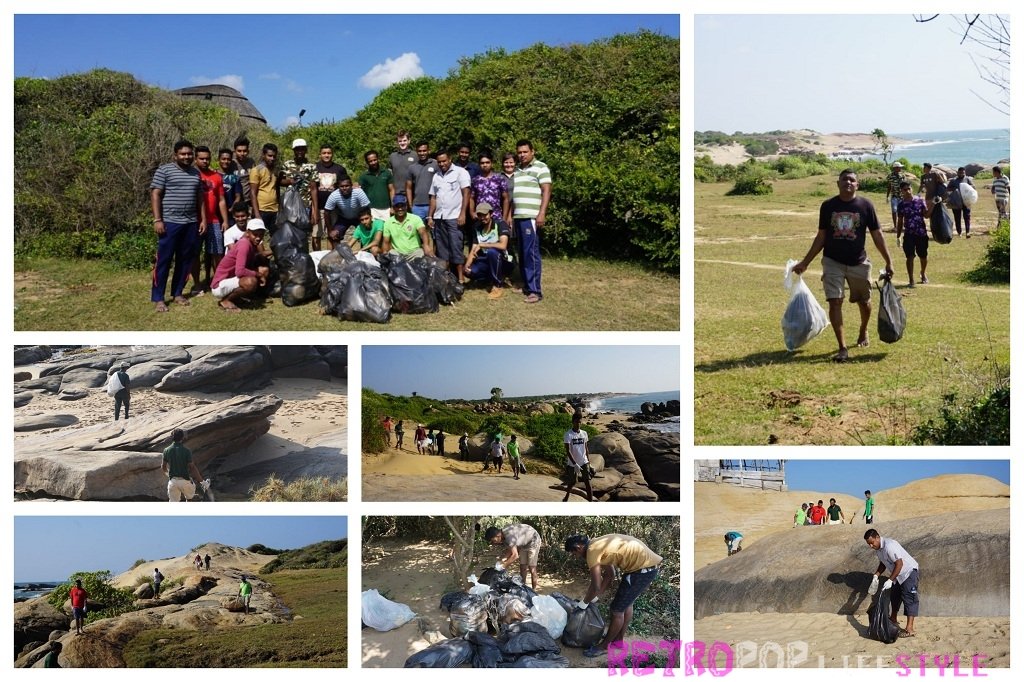
Volunteer work – Clean ups

The staff of all three properties initiate waste management activities in areas surrounding the resort at least once a month.  These include beach cleanups at Cape Weligama, removing plastic and litter from jungle roads in and around Yala and cleaning up Castlereagh Lake.

Energy – since 2019, all properties have implemented aggressive measures to monitor and minimize energy wastage.

WILD COAST TENTED LODGE

 Energy efficiency

  • 155kva solar plant meets 30% of the resort’s energy needs during high occupancy periods.
  • The air conditioning units in the cocoons help to generate hot water for the room by using a condenser unit that sits outside of the building, to collect heat that the air conditioner compresses and expels from inside. The heat passes through a copper heat exchanger that connects to a home or building’s hot water tank.
  • No public areas areas are air conditioned (restaurant, bar, reception, etc.) as they are naturally ventilated through innovative design
  • Tents are made from a unique fabric to manage temperature to reduce air-conditioning needs

Water Management

  • All of the water used in the resort is taken from the ocean and passed through a desalination unit and then pumped round the resort.
  • Waste water is recycled via an STP and used to fill a network of ponds which offers animals respite in the dry season.

Waste

  • All food waste is converted into cooking gas and organic manure.

Conservation

  • The Lodge is supporting leopard research by partnering with Wilderness and Wildlife Conservation Trust
  • Our camera traps set up in the area provide data of leopard and other species observations

Game drives & Excursions

  • We use shared jeeps for game drives to reduce our carbon foot-print in the park (private jeeps are offered at a premium)
  • We do not use any disposable packaging for refreshments on game drives and excursions, reducing out waste footprint further
  • Wild Coast Lodge adopts an “animal-first” approach during Safaris but avoiding crowded sightings and giving animals plenty of space during sightings
  • We enforce a Code of Conduct for our jeep driver partners to ensure optimal conduct inside the park in a way that is not detrimental to biodiversity

Structures – The public areas are constructed of sustainable bamboo and reclaimed recycled teak shingles.

Food – As much food as possible is sourced from the local areas so to reduce transportation fumes.

Staff – Staff are often involved in good works projects such as supporting the nearby Bundala School and tree planting.

CAPE WELIGAMA

No plastic policy – Cape Weligama has stopped using single use plastic water bottles and straws. Glass water bottles are provided in room and  guests  are offered reusable aluminum bottles for excursions outside the resort.

Community Sustainability
MJF Cape Weligama Centre
The first center fully supported by Resplendent Ceylon, the Cape Weligama Centre supports the community living around the hotel. Weligama’s main source of income is through fishing. With the increased costs competition for the ocean’s resources, the community is working hard to diversify its economy and opportunities. Tourism is the most obvious industry. The MJF Centre at Cape Weligama is the only center of its kind supported by a company.

The Centre officially opened in September 2017. It currently consists of an MJF Kids programme providing educational support, scholarships, music, art, dancing, chess and pottery for children aged 13 and below. From 2018 onwards in plans to introduce programmes for Women and youth in terms of livelihoods and life skills support.

Experiences
A visit to the local fish market with one of our senior chef’s is a popular guest experience and an opportunity for Resplendent Ceylon to harness the tourism economy to support the local community and offer locally sourced produced to guests.

Our surf experiences are also conducted by partner who work with local surf instructors, many of whom are ISA (or equivalent) certified, so that the tourism economy supports relevant and professional skills development at a high level.

Staff Initiatives
Our “good works” initiatives (funded entirely by our staff) initiates several projects a year. In 2019, our staff contributed essential items to a cancer hospital in Weligama. They also gave the charming Weligama Railway Station a facelift with a fresh coat of paint and installed some colourful posters of old Ceylon around the station.

CEYLON TEA TRAILS

Ceylon Tea Trails has the smallest carbon footprint of the three resorts. No air-conditioning isrequired as the climate is naturally cool.

Water is sourced from natural sources such as streams and wells.

Food Waste – All food waste goes to a local piggery, avoiding landfills in in the hill country.

No plastic policy – We use glass bottles and next to no use of plastic

Community Service – We support the MJF Crèche, a daycare centre for the children of tea pluckers and factory workers

Staff – Staff are often involved in good works projects such as lake cleanups, tree planting, supporting the local temples and schools.

Conservation:Tea Trails, in partnership with Dilmah Conservation, supports the Wilderness and Wildlife Conservation Trust in its leopard research project, but housing a research station and supporting in reforestation activities.

Ask Shahnaz Husain

Frequently asked questions answered by Shahnaz Husain

  •  My skin is very oily. How can I make it glow?

 For oily skin, use a facial scrub twice a week. After daily cleansing, mix rose water and lemon juice in equal quantities and apply on the skin, washing it off after 15 minutes. Mix 2 teaspoons multani mitti and one teaspoon dry and powdered mint (pudina) leaves with rose water into a paste.  Apply three times a week, washing it off when it dries. Add the juice of a lemon to a glass of water and drink it first thing in the morning.

  •  I have very dry, rough hair with split ends. Please advise the treatment.

First cut off the split ends and then give your hair regular care. Avoid the use of rubber bands and hair dryers. Use only a wide toothed comb. Twice a week heat two tablespoons pure coconut oil and apply on the scalp and hair. Apply on ends too. Then dip a towel in hot water, squeeze out the water and wrap the towel around the head, like a turban. Keep it on for 5 minutes. Repeat the hot towel wrap 3 or 4 times. Use mild shampoo to wash the hair. After shampoo, use a leave-on type of conditioner. Apply on hair and ends too.

  • I have combination skin. Pimples have gone, but there are black spots on my face. Please give home remedies. 

A3. Wash your face twice a day with a medicated soap. Apply an astringent lotion on oily areas. Twice a week, mix rice powder with curd and pinch of turmeric. Apply only on face. Rub gently on the skin with tiny circular movements. Leave on for a few minutes and wash off with water.

  •  My hands are very rough and dark. What can I do to soften them?

A4. Wear rubber gloves while performing washing chores to protect the hands and apply cream afterwards. Apply coconut oil on hands daily before bath and use mild glycerin soap. Thrice a week, take 2 tablespoons sunflower oil and 3 tablespoons coarse sugar. Mix together till it become a paste. Apply on the hands and rub it on the skin. Rinse off after 15 minutes.

 About Shahnaz Husain

Shahnaz Husain, pioneer of the Ayurvedic beauty movement, heads the Shahnaz Husain Group, with a global network of franchise ventures and 375 Ayurvedic formulations. A Case Study at Harvard for Brand Creation, she is now a Harvard Subject for “Emerging Markets.” She was honoured with the Padma Shri Award and is the first woman in 105 years to receive the World’s Greatest Woman Entrepreneur Award from Success, the U.S. business magazine. Indeed, Shahnaz Husain is a leading international beauty icon.

If you have a question that you would like Shahnaz Husain to answer, you can submit it here.  We will request her to answer.

info.retropoplifestyle@gmail.com