

Masaba Gupta’s Chardi Kala Introduces a Fresh Perspective on Indian Bridal Couture
After six years away from the runway, House of Masaba returned to Hyundai India Couture Week 2026 with Chardi Kala, marking Masaba Gupta’s first foray into bridal couture. Staying true to the bold visual identity that has defined the label, she introduced it to the world of bridalwear with the same sense of individuality, optimism, and personality that has long been her signature.
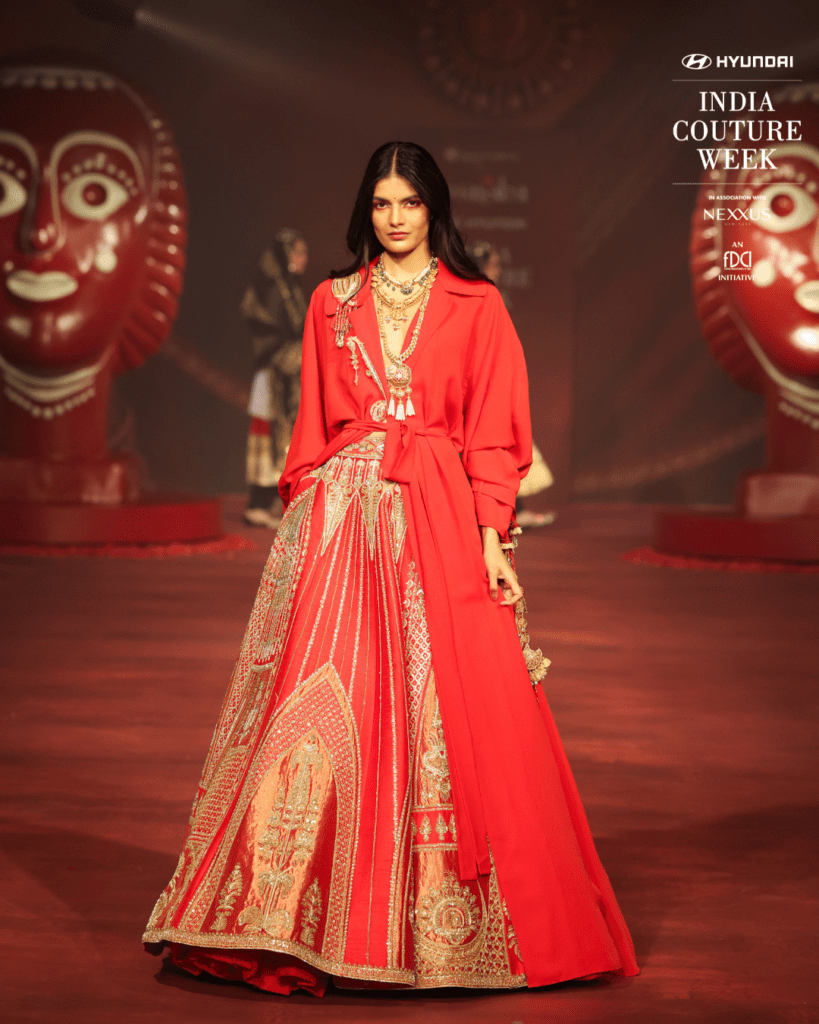
The opening look set the tone for the collection. Vibrant color, playful detailing, and intricate craftsmanship defined the runway, presenting a bridal wardrobe that was distinctly Masaba while embracing the artistry and refinement of couture.
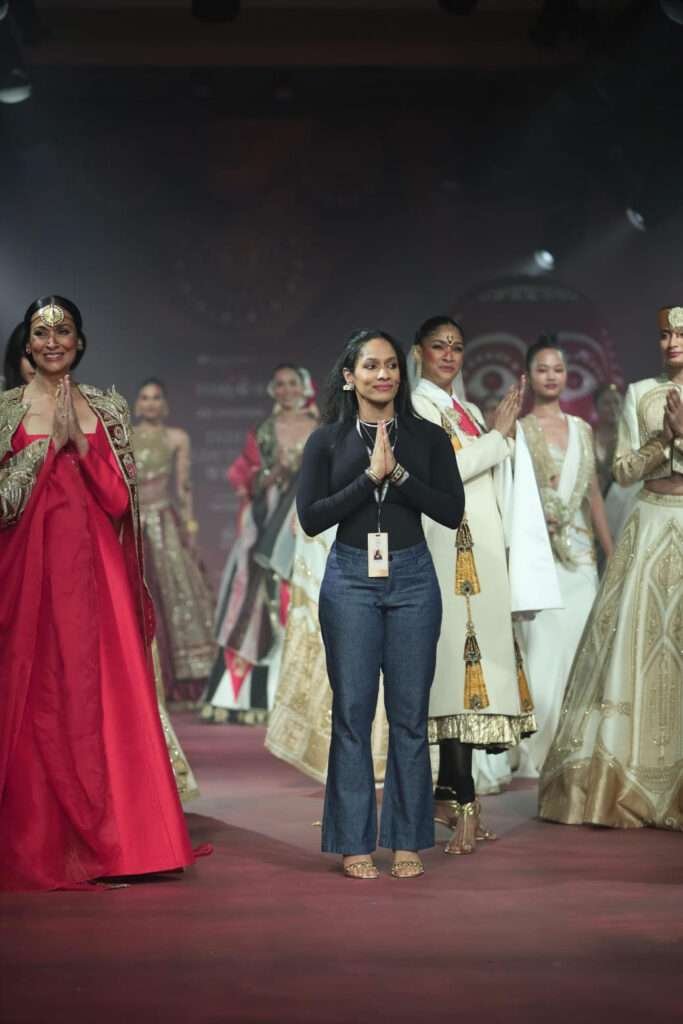
More than a couture debut, Chardi Kala marked a natural evolution for House of Masaba, bringing the label’s distinctive design language into the world of contemporary bridal couture.
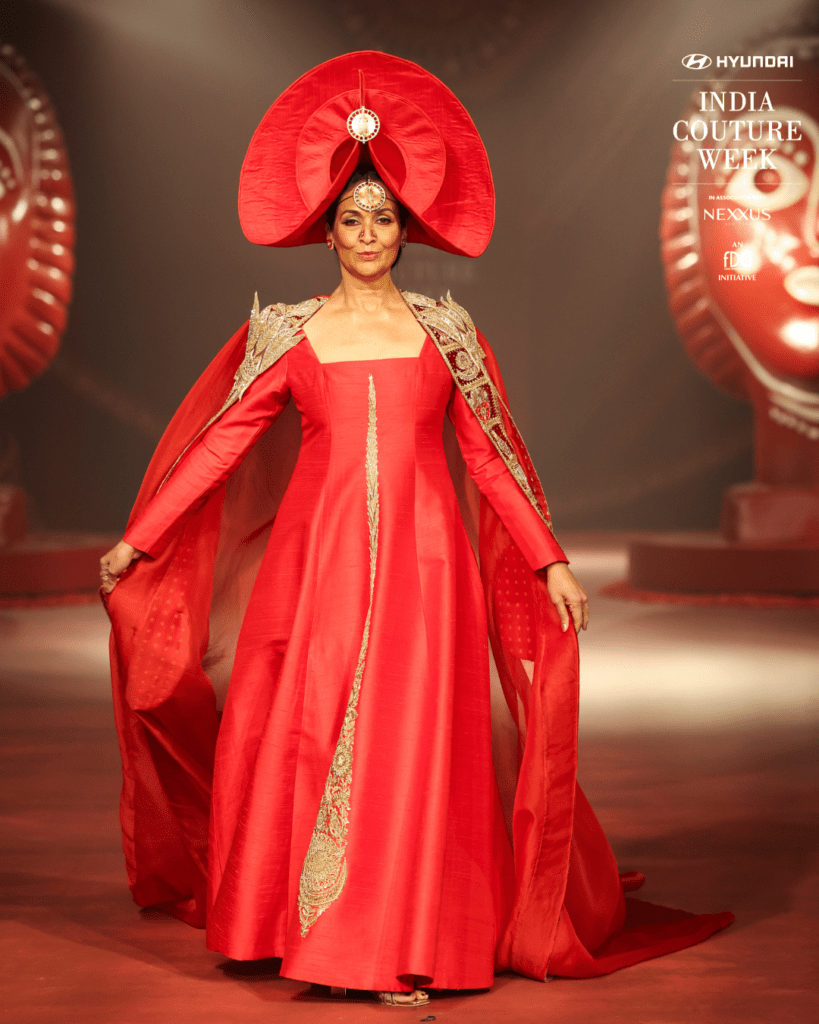
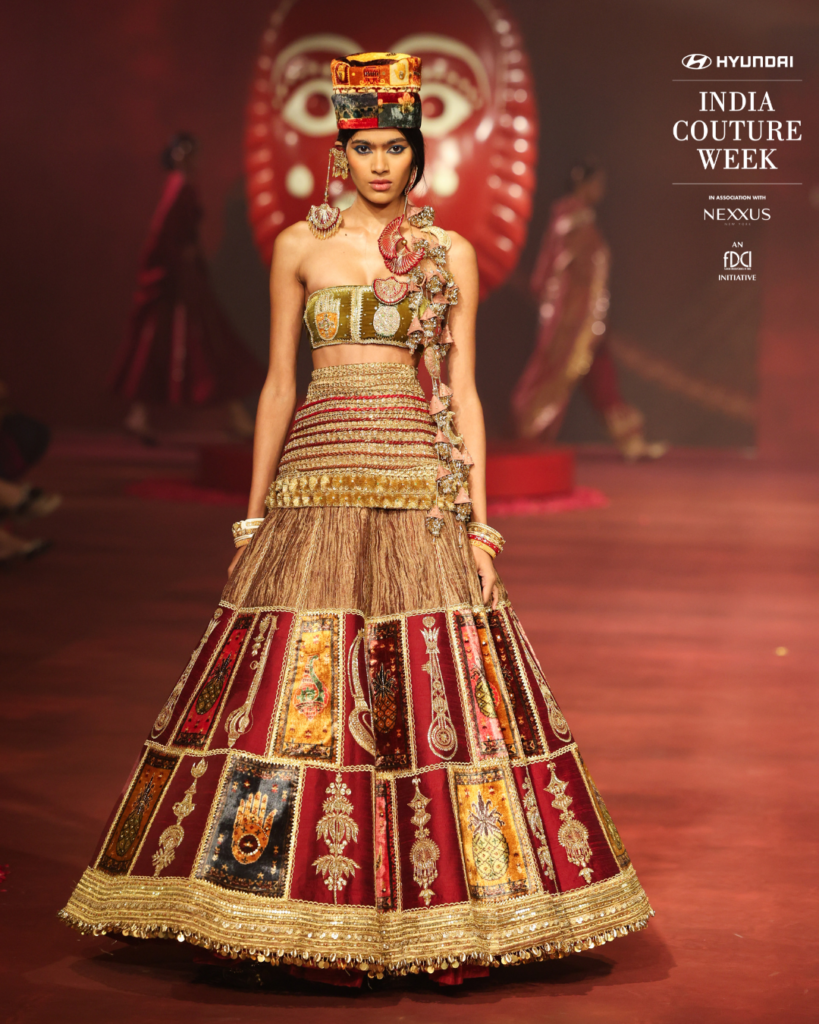
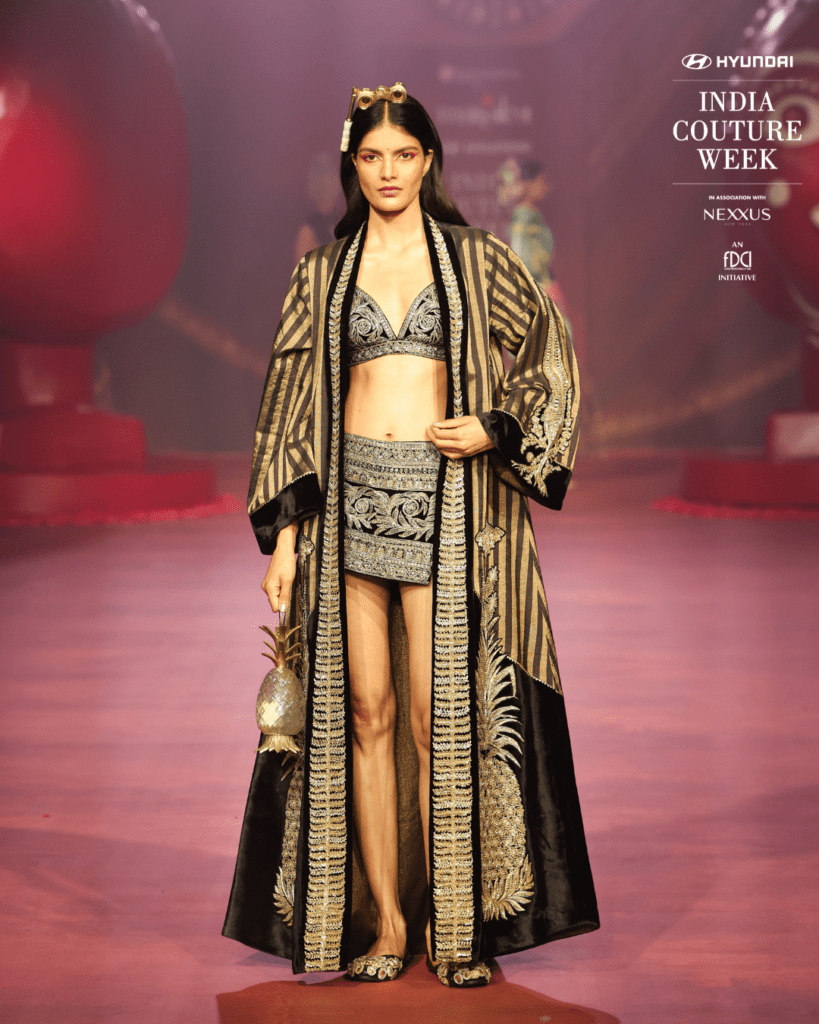
For over a decade, Masaba Gupta has built her design identity around India’s everyday visual culture, transforming familiar motifs, folklore, and nostalgia into a signature aesthetic. Chardi Kala carried that same spirit into bridal couture. Lehengas, contemporary saris, sculpted drapes, and occasion wear reflected a wardrobe designed for every stage of today’s celebrations, from traditional ceremonies to intimate festivities and destination weddings. While parts of the collection embraced a relaxed resort-inspired sensibility, Indian craftsmanship remained at its core.
Inspired by the Sikh philosophy that gives the collection its name, Masaba Gupta viewed bridal couture through a spirit of optimism. The collection celebrated individuality, confidence, and the many emotions that accompany a wedding, expressed through vibrant color, intricate craftsmanship, and contemporary silhouettes.
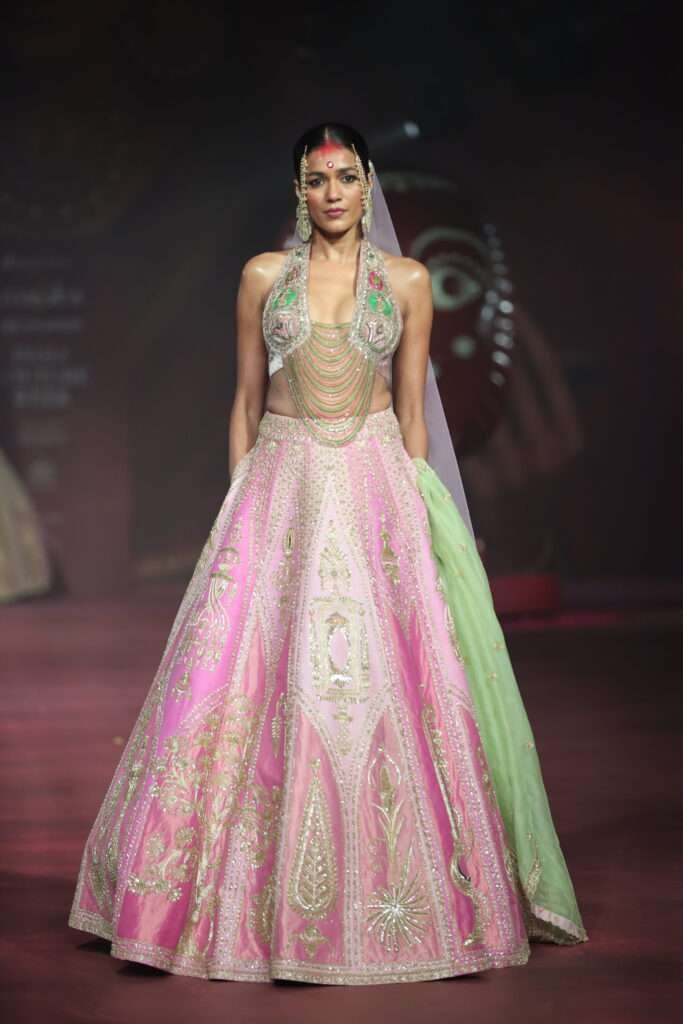
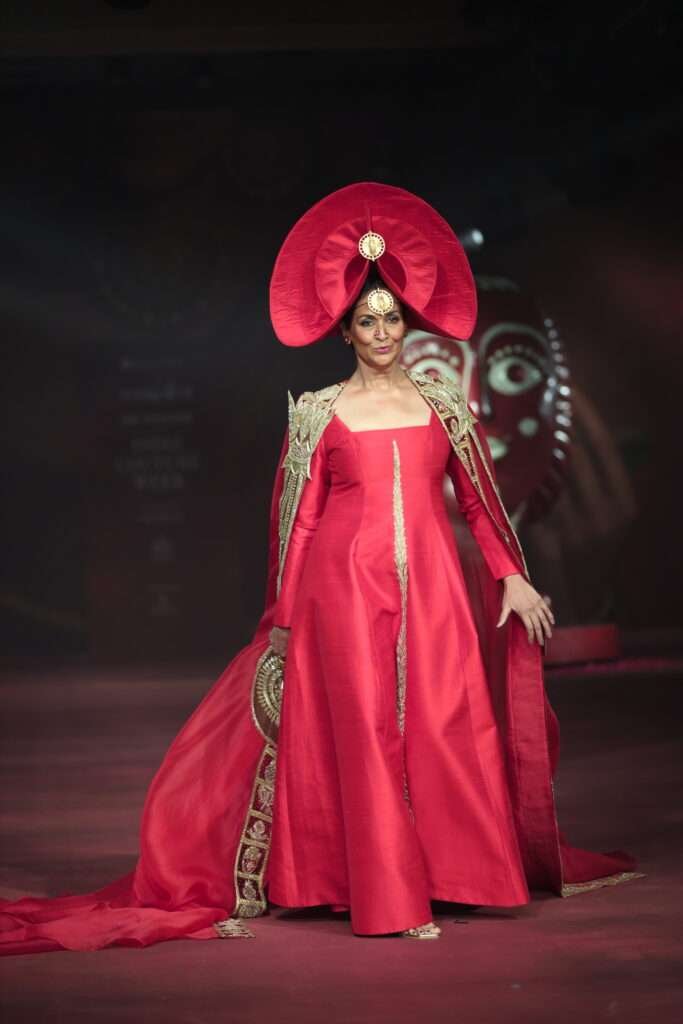
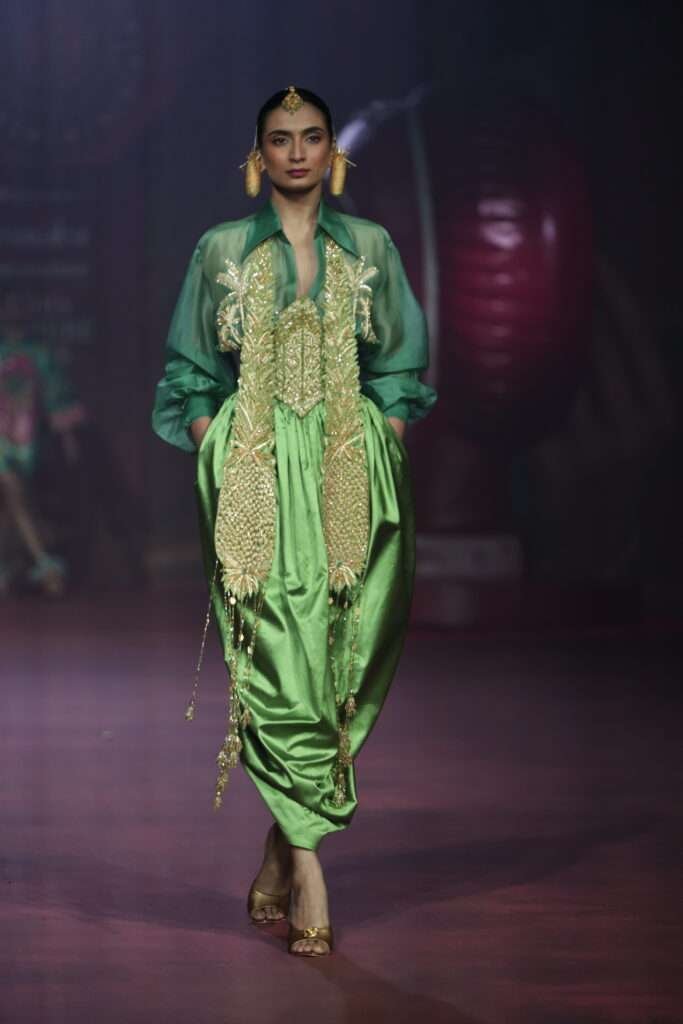
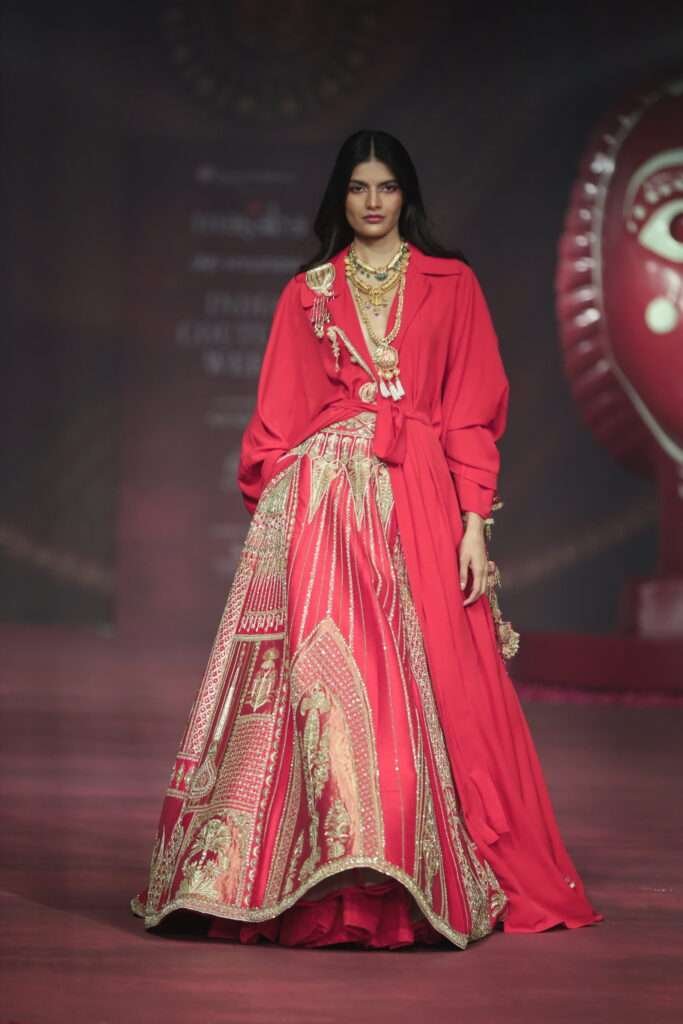
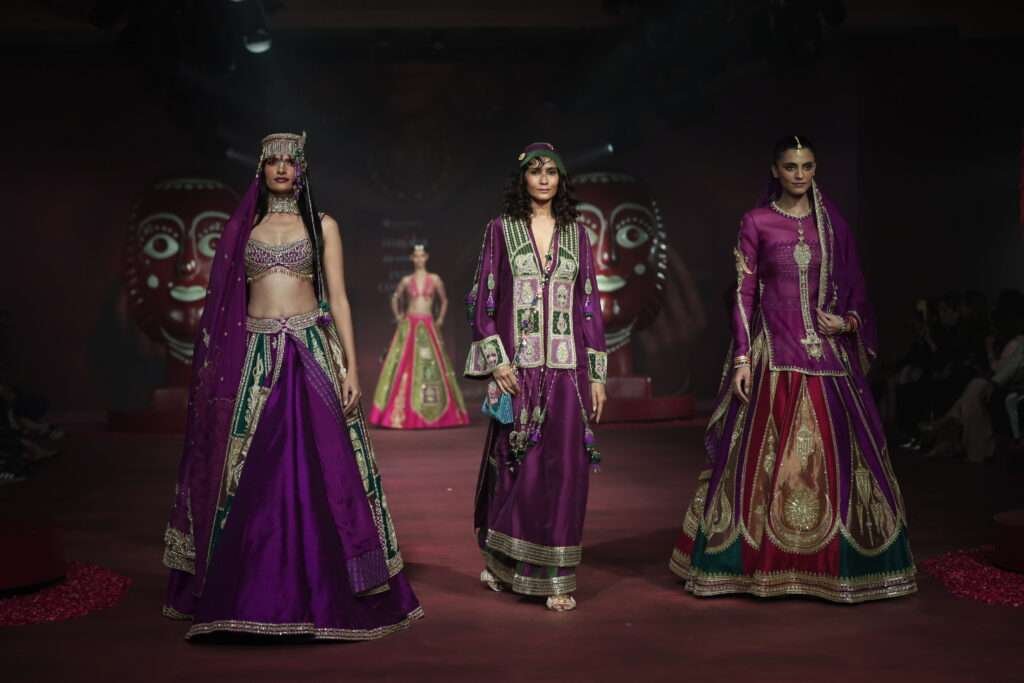
Craftsmanship remained central to the collection. Intricate embroidery, richly detailed surface embellishments, and a vibrant color palette brought depth to every silhouette, while the collaboration with Indriya Jewellery complemented the garments with designs that echoed the collection’s contemporary spirit without overshadowing the clothes
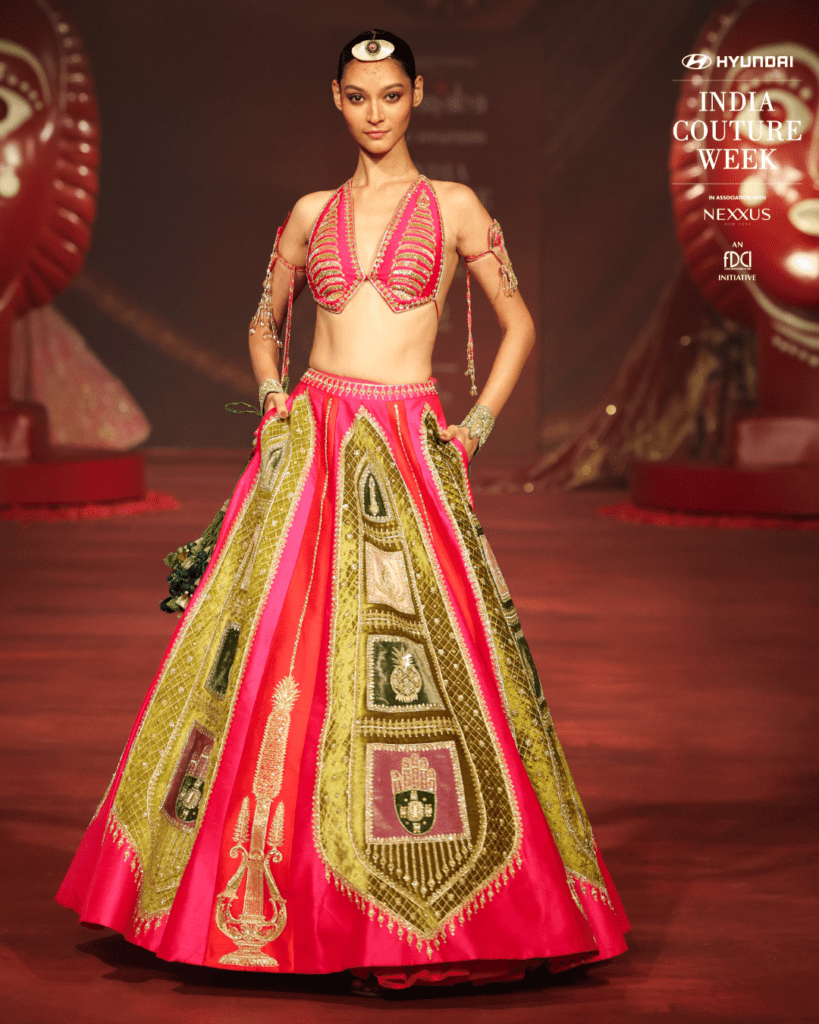
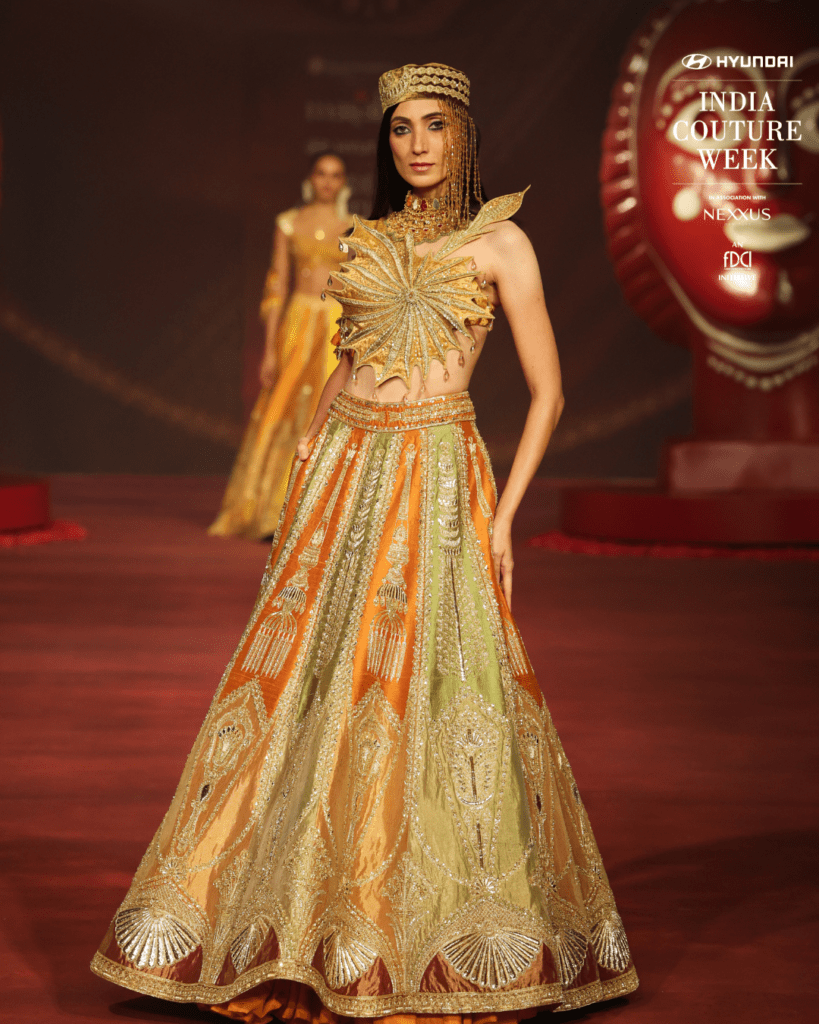
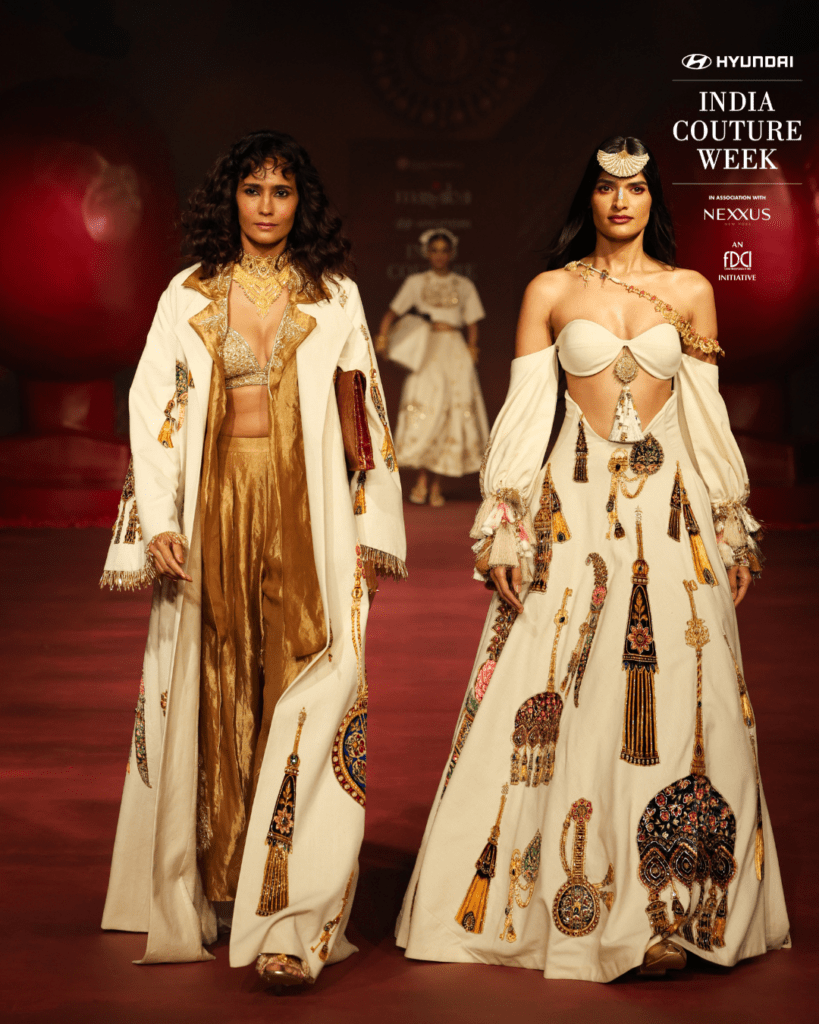
More than introducing a bridal collection, Chardi Kala translated Masaba Gupta’s signature aesthetic into couture. Her distinctive use of color, familiar motifs, and modern silhouettes offered a fresh perspective on Indian bridal dressing while remaining unmistakably House of Masaba.

